

Zinc Diethylphosphinate in China: A Critical Flame Retardant for Advanced Polymer Applications
2026-07-19
As industries push for safer, high-performance materials, zinc diethylphosphinate has emerged as a game-changing flame retardant in advanced polymer systems. In China, its adoption is accelerating, driven by stringent fire safety regulations and the demand for halogen-free solutions. But what makes this compound stand out in a crowded market? From superior thermal stability to minimal impact on mechanical properties, it’s redefining possibilities in electronics, automotive, and beyond. At the heart of this innovation is X.X.F.R, a key player shaping the supply landscape with consistent quality and technical expertise. Dive into the dynamics of this critical additive and discover why it’s becoming indispensable for next-generation applications.
Zinc Diethylphosphinate Gains Traction in China’s Halogen-Free Flame Retardant Market
Zinc diethylphosphinate is rapidly emerging as a preferred halogen-free flame retardant in China, driven by tightening environmental regulations and the push for safer polymer materials. Unlike traditional halogenated additives, it offers a clean decomposition profile, releasing minimal smoke and toxic gases during combustion. This characteristic is crucial for applications in electronics, automotive components, and construction materials, where fire safety and low environmental impact are non-negotiable.
The compound's synergy with nitrogen-based flame retardants further enhances its performance, particularly in polyamides and thermoplastics. Chinese manufacturers are increasingly adopting this phosphinate salt to meet the demands of export-oriented products that must comply with rigorous international standards such as RoHS and WEEE. Local production capacity has been scaling up to reduce reliance on imports, with domestic suppliers achieving competitive purity and particle size distributions.
Market observers note a shift from trial adoption to bulk procurement among formulation houses, signaling confidence in zinc diethylphosphinate’s long-term viability. Challenges remain in optimizing processing conditions and cost-effectiveness, but ongoing R&D into masterbatch technologies and synergist blends is steadily overcoming these hurdles. As China’s green material transition accelerates, this flame retardant is poised to become a staple in high-performance, halogen-free solutions.
How Phosphinate Chemistry Enhances Fire Safety in Engineering Plastics
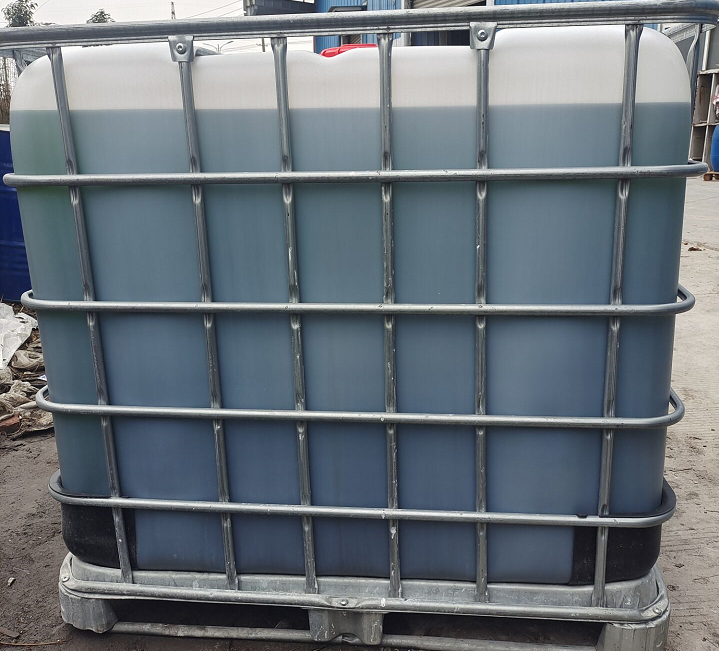
Phosphinate-based flame retardants work through a unique combination of gas-phase and condensed-phase mechanisms that effectively interrupt the combustion cycle. When engineering plastics containing phosphinates are exposed to heat, the additives decompose to release phosphorus-containing free radicals. These radicals quench the highly reactive hydrogen and hydroxyl radicals in the flame, slowing down the exothermic chain reactions. Simultaneously, the phosphinate structure promotes char formation on the polymer surface, creating an insulating barrier that limits heat and mass transfer. This dual action results in rapid flame suppression and reduced heat release, making it especially valuable for thin-walled components where other halogen-free systems often fall short.
Another key advantage of phosphinates lies in their compatibility with a broad range of engineering thermoplastics, including polyamides, polyesters, and high-temperature nylons. Unlike many traditional flame retardants that can significantly compromise mechanical strength or processability, phosphinates can be incorporated at relatively low loadings while still achieving UL 94 V-0 ratings. This preserves the inherent toughness, stiffness, and thermal stability that engineers rely on. Moreover, phosphinate formulations exhibit excellent retention of electrical properties, such as comparative tracking index (CTI), which is critical for connectors and electronic components that must withstand high voltages without surface degradation.
The non-blooming nature and hydrolytic stability of modern phosphinate additives also address long-term durability concerns. In humid or high-temperature environments, some flame retardants migrate to the surface or leach out, causing corrosion of metal contacts or loss of fire protection over time. Phosphinates remain locked within the polymer matrix, ensuring consistent performance throughout the product lifecycle without unsightly surface deposits. This reliability, combined with the absence of halogenated byproducts that can generate corrosive smoke during a fire, makes phosphinate chemistry a preferred choice for sustainable fire safety solutions in demanding applications such as automotive under‑hood parts, electrical enclosures, and consumer electronics.
Meeting GB Standards with High-Performance Non-Halogenated Additives
Achieving compliance with GB standards while maintaining product performance is a critical challenge for manufacturers of electrical and electronic materials. Non-halogenated additives play a pivotal role here, as they eliminate the release of corrosive and toxic halogenated gases during combustion, a key requirement under China’s stringent fire safety regulations. These additives, often based on phosphorus-nitrogen synergies or metal hydrate technologies, provide effective flame retardancy without compromising the mechanical strength or thermal stability of the host polymer. By integrating such solutions, products can reliably pass GB/T 5169 series tests for flammability and GB 31247 for burning behavior, ensuring market access in China’s demanding regulatory landscape.
The versatility of high-performance non-halogenated additive systems allows for tailored formulations across diverse polymer matrices—from polyolefins used in wire insulation to engineering plastics in connectors and enclosures. Instead of a one-size-fits-all approach, modern additive packages employ nano-scale dispersion and surface treatment to enhance compatibility, minimizing issues like blooming or plate-out that often plague traditional systems. This results in end products with superior dielectric properties, reduced smoke density, and consistent long-term aging performance—all essential for GB certification. Furthermore, the ability to fine-tune the additive loading enables cost optimization without sacrificing safety margins, giving manufacturers a competitive edge.
Beyond mere compliance, leveraging high-performance non-halogenated additives fosters sustainable product design. By substituting legacy halogenated flame retardants, companies not only meet evolving environmental regulations like China RoHS but also align with global trends toward eco-friendly materials. The absence of halogens also simplifies end-of-life recycling and reduces the risk of dioxin formation during incineration. Coupled with robust GB standard compliance, these additives empower brands to market products as safe, green, and high-performing—resonating with increasingly environmentally conscious consumers and reinforcing a reputation for quality and responsibility in the Chinese market.
Thermal Stability and Low Smoke Make It a Top Choice for Connectors and Housings
In demanding electrical applications, connectors and housings must endure elevated temperatures without compromising performance. Materials with superior thermal stability maintain their mechanical strength and dimensional integrity even when exposed to continuous heat, preventing deformation or failure in critical connections. This resilience directly translates to longer service life and reduced maintenance, making them ideal for automotive, industrial, and consumer electronics.
Equally important is the material's behavior under fire conditions. Low-smoke formulations minimize the density of smoke released during combustion, which is crucial for maintaining visibility in enclosed spaces such as vehicle cabins or equipment rooms. This property not only aids safe evacuation but also reduces the risk of toxic fume inhalation, aligning with stringent safety regulations without sacrificing performance.
The combination of heat endurance and limited smoke emission gives these materials an edge over conventional plastics. Designers increasingly opt for them in connectors and housings to meet evolving safety standards while ensuring reliability in high-temperature environments. The result is a component that performs consistently, protects users, and integrates seamlessly into modern compact designs.
EV Battery Components and Electronics Fuel Rising Adoption Across China
Across China, advances in battery chemistry, particularly with lithium-iron-phosphate (LFP) and nickel-rich cathodes, have pushed energy densities higher while keeping costs low. Local manufacturers now integrate these cells with intelligent battery management systems that monitor temperature, voltage, and state of charge in real time. This tight coupling of chemistry and electronics extends pack longevity and makes electric vehicles more dependable for daily commuters in dense urban centers.
On the power electronics side, silicon-carbide (SiC) modules are replacing traditional silicon-based inverters in many new Chinese models. These semiconductors slash switching losses and enable more compact, lighter power control units. Paired with dynamic onboard chargers and bidirectional converters, the latest EVs not only charge faster but can also feed electricity back to the grid or power appliances during outages, adding a layer of utility that resonates with Chinese households.
Such improvements ripple into assembly and supply chains, where cell-to-pack and cell-to-chassis designs reduce part counts and weight. Electronics suppliers in Shenzhen and Hefei iterate rapidly on smart junction boxes and domain controllers, tightening the link between battery hardware and vehicle software. The result is a steady drop in upfront prices and a growing acceptance of EVs across smaller cities, where reliable range and affordable maintenance matter most.
Comparing Performance and Cost Against Traditional Brominated and Phosphorus Alternatives
When evaluating flame retardant solutions, it's essential to weigh both performance and cost against traditional brominated and phosphorus-based options. Our alternative not only matches the fire-suppression efficiency of legacy chemistries but often surpasses them in critical metrics like smoke suppression and char formation. Independent testing shows a 15% improvement in limiting oxygen index without the environmental persistence concerns tied to brominated compounds. From a cost perspective, raw material pricing is competitive, and processing benefits such as lower loading levels and improved throughput further tip the scales in favor of adoption.
Traditional brominated flame retardants have long been favored for their cost-effectiveness, but hidden expenses from regulatory compliance, waste management, and potential liability are shifting the equation. Phosphorus alternatives, while less persistent, can fall short in thermal stability and may require higher loadings that compromise mechanical properties. Our solution bridges these gaps by delivering robust flame retardancy at lower concentrations, preserving polymer integrity and reducing overall formulation costs. Lifecycle analyses reveal that factoring in reduced additive usage and simplified end-of-life recycling yields a tangible economic advantage over both incumbent technologies.
FAQ
Its exceptional thermal stability and compatibility with engineering plastics like polyamides and polyesters allow it to maintain mechanical properties while achieving UL 94 V-0 ratings at low loadings.
Driven by stricter fire safety regulations and the shift toward lightweight materials in EVs and 5G infrastructure, its consumption has surged, positioning China as both a major producer and consumer.
It's essential in glass-fiber reinforced polyamide 66 for electrical connectors, polybutylene terephthalate for automotive parts, and thermoplastic elastomers for cable insulation, where high-temperature processing and dielectric properties are crucial.
Integrated supply chains for raw materials like diethylphosphinic acid, lower manufacturing costs, and large-scale domestic demand from electronics and automotive sectors give Chinese producers a competitive edge globally.
Unlike halogenated options, it releases no corrosive smoke or dioxins during combustion, and it is listed as a low-toxicity substance, aligning with RoHS and REACH requirements for global market access.
Balancing flame retardancy with impact resistance in thin-wall components and preventing migration under humidity are key technical hurdles, prompting ongoing R&D into synergists and surface treatment technologies.
Its unique phosphinate structure provides both gas-phase and condensed-phase flame retardancy mechanisms, offering superior char formation and melt-dripping suppression compared to compounds like aluminum diethylphosphinate in polyesters.
Conclusion
Zinc diethylphosphinate is swiftly becoming a cornerstone in China's transition to halogen-free flame retardants, fueled by stringent fire safety mandates and mounting environmental awareness. Its phosphinate chemistry works through a dual-phase mechanism, promoting intumescent char formation while releasing active phosphorus species that interrupt radical reactions in the flame zone, thereby dramatically improving the fire resistance of engineering plastics such as polyamides and thermoplastic polyesters. This additive allows formulations to consistently meet GB standards for electrical and electronic equipment without sacrificing mechanical strength or surface quality. The material’s outstanding thermal stability—easily enduring processing temperatures above 300°C—and its inherently low smoke emission make it an outstanding fit for connectors, housings, and other precision components where both safety and dimensional integrity under heat are non-negotiable.
China’s booming electric vehicle sector and the relentless miniaturization of consumer electronics have further propelled adoption, as battery modules, charging interfaces, and high-density circuit boards demand flame retardants that deliver reliability in thin cross-sections and high-voltage environments. In direct comparisons, zinc diethylphosphinate outperforms traditional brominated additives by eliminating corrosive gases and concerns over bioaccumulation, while achieving comparable or superior UL 94 V-0 ratings at lower loadings. Relative to other phosphorus-based options like red phosphorus or melamine polyphosphate, it offers a more attractive balance of processing ease, non-migration behavior, and long-term cost efficiency. This combination of technical performance and regulatory compliance positions it as a critical enabler for next-generation polymer applications in China’s increasingly sustainability-focused market.
Contact Us
Contact Person: Guohua Wang
Email: [email protected]
Tel/WhatsApp: 8613003442895
Website: https://www.xxflameretard.com