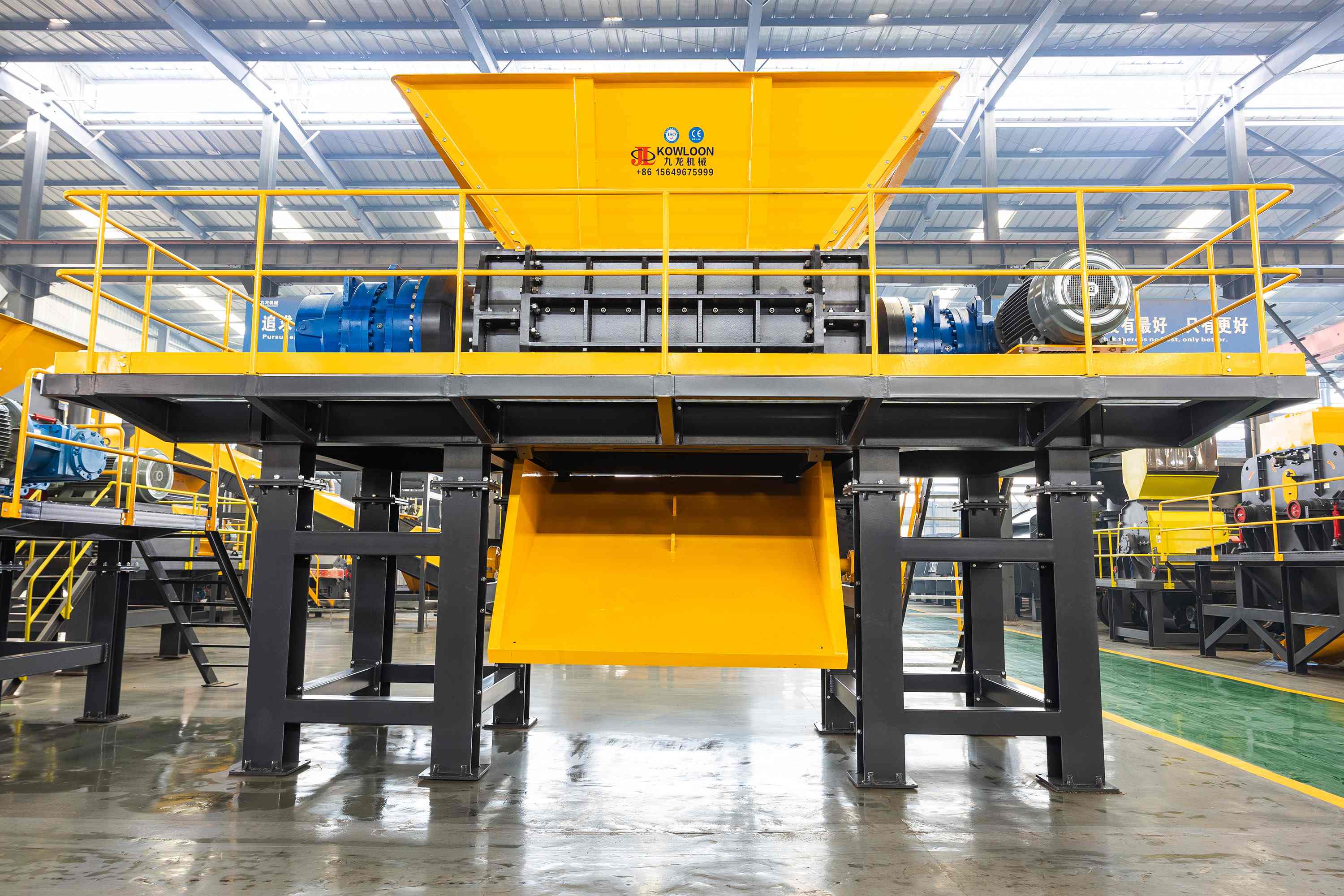

Wood Chipper Ranking for Homeowners and Professionals
2026-09-15
Finding the right wood chipper isn't just about horsepower — it's about matching the machine to your messy reality. Our ranking for homeowners and professionals cuts through the marketing hype, and yes, we've put Kowloon Machinery to the test alongside the usual suspects. Let's see which one actually earns its keep.
Where Backyard Chippers Start to Struggle
The first real trouble tends to arrive with green, sap-heavy wood. A chipper that handles dry oak limbs without complaint will start spitting and vibrating when you feed it freshly cut maple or willow. Moisture and sap coat the chute and rotor, turning loose chips into a sticky paste that builds up behind the blades. Before long the discharge chute narrows, the engine bogs, and you’re taking the housing apart to scrape out a fibrous plug that smells like fermented mulch.
Even when the material is dry, feed rate and branch shape matter more than the advertised diameter suggests. Curved limbs with side shoots don’t grab the feeder rollers the way straight poles do, so they bounce and stall. Push too hard and the chipper’s safety clutch disengages; feed too slowly and the blades overheat and dull faster. Dirt, pine needles, and small twigs create their own kind of wear, leaving the cutting edges rounded enough to tear rather than slice, which makes every branch after that feel twice as heavy.
Then there’s the maintenance nobody talks about in the showroom. A weekend of chipping can leave you with a dull blade set, a clogged discharge screen, and a pile of half-processed material that has to be re-fed or composted separately. Once the novelty wears off, the real limiting factor usually isn’t engine size—it’s how much time you’re willing to spend keeping the thing unclogged and sharp enough to do its job.
What Professional Landscapers Actually Look For
A professional's first pass isn't about the pretty plants. It's about drainage and grading. They walk the property after rain, note where water pools, check downspouts, look at slope away from foundation. Soil compaction and pH get tested before any design. If the base isn't right, nothing else holds.
They also look at existing hardscape and how it relates to traffic flow. Cracks in walkways, uneven pavers, or a patio that fights the house's lines all signal future work. Pros notice whether materials match the regional climate and whether the layout guides you through the space instead of blocking it.
Finally, they look at the plant palette and maintenance burden. A good pro will check for invasive species, overcrowded root zones, and plants that require excessive pruning or water. They favor staggered bloom times and native options that can survive a dry spell without constant intervention. It's not about a magazine cover; it's about what will still look intentional in five years.
Branch Diameter Ratings You Shouldn't Trust Blindly
Most published branch diameter ratings read like convenient shorthand rather than field truth. A 45-degree lateral might be labeled “medium” on paper, but the same limb on a leaning tree under wind load behaves entirely differently. Tying safety or pruning decisions to a single number ignores how attachment angle, bark inclusion, species wood density, and decay all shift actual load capacity. Trusting those charts without looking up can mean leaving a hazard in place or cutting wood that was never the weak point.
Even within one species, branch diameter ratings vary wildly based on where the branch sits in the canopy and how long it has carried its own weight. A lower, shaded branch with the same diameter as an upper sun-exposed one often has different fiber alignment and less reaction wood. Charts rarely account for that variability. If you climb or fell with a rating in mind, you’re using a static proxy for a dynamic system — and trees don’t read the manuals.
Instead of relying on printed numbers, learn to read the union itself: check for raised bark ridges, cracks, swelling, or included bark. Sound the branch if you can, watch how it moves in the wind, and compare it to similar branches that have already failed on that tree. A rating might give you a starting point, but the real decision comes from what the wood is telling you at that moment.
Feed Systems and the Real Difference in Daily Use
Most spec sheets make a feed system look like a solved problem, but the first hour on a production floor usually tells a different story. The same machine that hit its rated output during commissioning might struggle with a new batch of material simply because the bulk density shifted by a few percent. Operators quickly learn to watch for those subtle changes—slightly longer refill cycles, a faint rattle at certain RPMs, or discharge pressure drifting upward before a jam occurs. These are not failures; they are the system's way of showing how it actually behaves under real, dirty, inconsistent conditions.
Another thing that rarely makes it into manuals is how much daily use reshapes the feeding behavior. Over the first few weeks, seals wear in, belt tension settles, and sensors drift just enough to matter. Some systems become more stable after this break-in period, while others need small weekly tweaks to hold the same accuracy. Tracking those adjustments in a simple log—rather than relying on factory defaults—often makes the difference between a line that runs predictably and one that surprises you at the worst possible moment.
Gas, Electric, or PTO: Matching Power to the Job
Choosing the right power source often comes down to where you work and how long you need to run. Gas engines bring raw, portable muscle to remote job sites, but they demand fuel, oil, and regular maintenance. Electric motors shine indoors or anywhere noise and exhaust are unwelcome, yet they tether you to an outlet or battery runtime. PTO systems piggyback on a tractor or skid steer you already own, turning that equipment into a versatile power hub without another engine to babysit.
Think about the actual task before you commit. A log splitter parked in the back forty makes more sense with a gas engine than with a hundred-foot extension cord. A pressure washer used inside a food processing plant almost has to be electric. And if you're already running a PTO-driven tiller or generator for other farm chores, adding a PTO pump or blower means one less small engine to winterize, pull-start, and curse at when it won't fire in February.
The smart move is to map your typical workday, not the rare exception. A machine that sits idle for weeks between uses might be better off electric, assuming you have a clean power source nearby. But if you haul gear to undeveloped land or need to run continuously through a storm cleanup, gas's independence is hard to beat. PTO equipment can feel clunky until you realize it eliminates an entire engine's worth of failures—and your tractor's fuel tank is usually a lot bigger than anything you'd strap to a frame.
Safety and Maintenance Habits That Outlast the Manual
Manual pages get read once, then forgotten in a drawer. The safety habits that actually stick are the ones you build without thinking—like checking the blade tension before every cut, or listening for that faint rattle that wasn't there yesterday. These small rituals beat any printed checklist because they become part of your muscle memory.
Start with a five-minute walk-around after each use. Wipe down surfaces, feel for loose bolts, and store tools where they belong. If you notice a smell, a vibration, or a sound that seems off, don't wait for the manual to explain it. Investigate right away. Over time, these checks become automatic, and you'll catch problems long before they turn into accidents.
The real goal isn't following steps—it's developing an instinct for what "normal" feels like on your equipment. When something deviates, you'll know instantly. That kind of awareness doesn't come from reading; it comes from repeated, hands-on attention. And it keeps you safer than any manual ever will.
FAQ
Start with the material you'll feed it most often. If it's mostly twigs and leaves under an inch thick, a smaller electric model handles that without fuss. For thicker branches or frequent use, you need a gas machine with a bigger hopper and higher reduction ratio. Homeowners usually do fine staying under 3-inch capacity; professionals shouldn't settle for less than 4 inches and a self-feeding mechanism.
There's a middle ground, but compromises show up quickly. A heavy-duty homeowner chipper like the DK2 OPC506 or WoodMaxx TM-86H can chew through 3-4 inch limbs and survive daily use for a season, but they lack the cooling systems and feed speed that pros expect. Most landscaping crews end up with towable models from Bandit or Vermeer because downtime costs more than the machine.
You'd be surprised how little you can get away with. A 15-amp electric motor handles soft green waste and dry branches up to 1.5 inches. For anything with real wood density, 6-7 horsepower from a small gas engine changes the game. Go higher only if you're clearing brush regularly or dealing with hardwood limbs near 3 inches. Beyond that, you're paying for speed, not capability.
They focus on the diameter rating and ignore the feed rate. A machine that claims 3-inch capacity but stalls on wet pine every ten seconds is worse than a 2-inch model that pulls material steadily. Look for videos of people feeding actual branches, not just the spec sheet. Also, check that replacement blades are easy to find—some bargain brands leave you stuck after one season.
Yes, and most rental companies require proof before handing over a towable chipper. The feed rollers on commercial units can pull a person in faster than you can react. Even homeowner models with paddle-style cutters deserve respect—never reach into the hopper while the engine runs, and keep a push stick nearby. A quick read of the manual plus leather gloves and eye protection prevents most accidents.
Sun Joe and Patriot get a lot of praise for electric and light gas options because parts are cheap and the machines are forgiving. For mid-size gas chippers, Champion and Generac offer solid reliability without the commercial price tag. If you want something more serious, WoodMaxx and DK2 sell direct and include features like hydraulic feed that used to only appear on pro gear.
Depends on how dirty the wood is. Clean branches let blades go 20-30 hours between sharpenings; sandy or muddy material can dull them in half that time. You'll notice the machine spitting out stringy pieces instead of clean chips. Keep a spare set ready and rotate them rather than waiting until performance drops—it's cheaper than running the engine hard with dull edges.
Only if you have a lot of land and mechanical skills. Used Vermeer or Bandit units hold value but hide problems like worn bearings, cracked frames, or hydraulic leaks. A homeowner with five acres of woods might justify it, but for typical suburban lots, a new $1,200 gas chipper will outlive your need and start every time.
Conclusion
For homeowners, small chippers seem adequate until you feed anything beyond dry twigs; branch diameter labels sound reassuring but actual capacity drops with wood type and feed angle. The real bottleneck is feed system: a gravity-fed hopper stalls on crooked branches while hydraulic rollers chew through without constant pushing. This is where backyard machines start to struggle. Professional landscapers ignore marketing numbers and look for commercial-grade build: replaceable knives, tool-free access, and a feed rate that matches crew pace. Gas models dominate for mobility, electric works for suburban noise limits, PTO units shine for acreage owners with tractors, but the ranking shifts by what you feed daily.
Safety and maintenance habits matter more than peak horsepower. A machine that requires blade changes every few hours will sit idle despite a high ranking. Daily grease points, rotor housing clean-out, and a strict no-hands-near-feed rule extend life more than any spec sheet. The best chipper for a homeowner is often a smaller unit with fewer frills but easy clearing jams; for pros, it's one that survives being backed into trailers and run six days straight. Ratings that ignore these daily realities end up misleading. Match power source to your actual weekly volume, not worst-case fantasies, and the ranking becomes obvious.
Contact Us
Contact Person: Ray
Email: [email protected]
Tel/WhatsApp: +86 13733817580
Website: https://www.zzkowloon.com/