Top Car Floor Liners for a Spotless, Comfortable Ride
2026-08-20
Every driver knows the slow creep of dirt, crumbs, and stray pebbles that turns a pristine cabin into a mess. The right car floor liners don't just hide the chaos—they stop it cold. That's where FANDEWEI changes the game: precision-fit, rugged liners that keep your ride spotless without sacrificing comfort underfoot. Here's what sets the best apart from the rest.
Factory Floor Mats Are a Joke Once You See How Much They Miss
The moment you pull a factory floor mat out of the box, it feels like a half-hearted afterthought. The material is thin, the coverage barely extends beyond the seat rails, and within a week your carpet is already collecting dirt, salt, and coffee spills in places the mat never dreamed of reaching. People assume that because it came with the vehicle, it must be doing its job. But when you actually look at the gaps around the pedals, the dead space under the accelerator, and the exposed carpet along the door sills, the joke writes itself.
Those little factory mats are designed to tick a box on an options list, not to protect anything. They slide forward, bunch up under the brake pedal, and leave the high-wear areas completely open to whatever your shoes drag in. The first time you vacuum, you realize the mat was never the barrier you thought it was—it was just a decorative rectangle sitting in the middle of the action while the real mess accumulated everywhere else. And if you live anywhere with mud, snow, or even just a gravel driveway, that thin carpet-like surface holds moisture and grit like a sponge that never fully dries.
Once you compare the actual footprint of a factory mat against a properly fitted liner, the difference is almost offensive. The factory version covers maybe sixty percent of the footwell, leaving the sides, the dead pedal, and the area behind the pedals completely bare. It shifts under normal driving, curls at the edges, and wears through at the heel point within a couple of years. You don't need a tape measure to see how much it misses—just lift the mat after a rainy week and look at the ring of grime baked into the carpet around it. That is when you realize the factory mat wasn't a solution; it was a placeholder.
Rubber vs. Thermoplastic vs. Carpet: Which One Actually Belongs in Your Ride
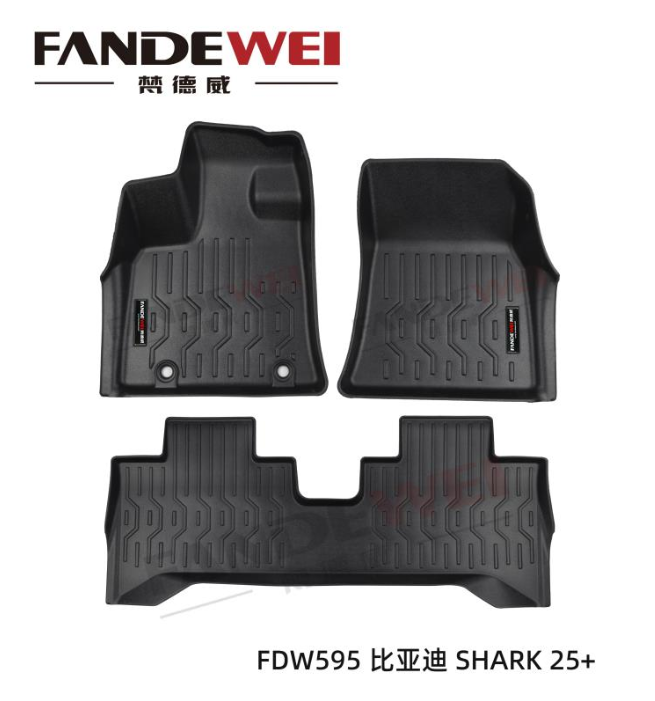
Every driver faces the same dilemma when it's time to replace the floor mats: do you go rugged rubber, sleek thermoplastic, or plush carpet? It sounds like a simple choice, but the wrong pick can leave you scrubbing stains out of fabric every weekend or sliding around on a plastic tray that feels more like a cafeteria line than a car interior. Rubber mats are the heavy-duty workhorses—great at trapping mud, snow, and spilled coffee, but they can look utilitarian and sometimes have that distinct tire-shop smell. Thermoplastic, on the other hand, is lighter and more flexible, often molded into precise contours to catch everything from gravel to melted ice cream, yet it can crack in extreme cold if you're not careful. Carpet mats are the comfort kings, giving your feet a soft landing and making the cabin feel more upscale, but they demand constant vacuuming and stain treatment to stay presentable.
So which one actually belongs in your ride? The answer depends less on brand loyalty and more on your daily reality. If you live where the seasons swing from muddy springs to salty winters, rubber or thermoplastic will save your sanity—just hose them off and they're ready for the next adventure. For city commuters who rarely see more than a latte spill, carpet offers that quiet, premium feel underfoot without the plastic shine. One trick many owners overlook: you don't have to commit to a single material year-round. Plenty of drivers swap in rubber liners for winter and stash a set of carpet mats for the dry summer months. That way you get the best of both worlds without pretending one material can do it all.
Here's a quick gut-check before you buy: grab a handful of whatever debris normally ends up on your floors—dog hair, wet leaves, construction dust, half-eaten fries—and ask which material you'd rather clean it out of at 7 a.m. on a Monday. If the thought of scrubbing carpet makes your shoulders tense, go rubber or thermoplastic. If you can't stand the hard, hollow sound of a boot on plastic, carpet is your friend. The real secret is that no floor mat is perfect; the right one just makes your life a little easier without turning your car into a rolling utility closet. So stop overthinking the comparisons and start matching the material to the mess you actually live with.
Custom-Fit vs. Universal: Why 'Close Enough' Leaves Gaps You'll Regret
Universal options seduce with convenience. They dangle the promise of instant compatibility and lower upfront cost, hoping you won't notice the slight misfit until it's too late. A gap here, a pressure point there—these small mismatches compound daily. What felt like a bargain becomes a persistent annoyance, chipping away at comfort, efficiency, or safety. 'Close enough' rarely stays close for long.
Custom-fit choices work differently. They ask tougher questions upfront and cost a bit more, but the payoff is absence of compromise. There's no silent space where dust collects or friction builds. You don't adapt to the product; it adapts to you. Regret often comes from what you didn't see coming—and universal solutions hide those blind spots until they're expensive to fix.
The real cost of a poor fit isn't the initial price. It's the repeated small adjustments, the replacement purchases, the wasted time. Custom-fit may feel like overkill on day one, but by month six it becomes the invisible standard you can't live without. The gaps you leave today become the regrets you pay for tomorrow.
Mud, Salt, and Spilled Coffee: How the Right Liner Makes Cleanup Disappear
Mud from a rainy trail, salt crust from winter roads, and a coffee cup that tips over mid-commute all have one thing in common: they settle into every seam of a standard car floor. The right liner changes that because it's shaped to catch spills before they spread, with raised edges that keep sludge and liquid from reaching the carpet. Instead of scrubbing for an hour, you lift the liner, rinse it off, and the mess vanishes.
That's the real difference a well-fitted liner makes. It doesn't just cover the floor; it creates a sealed basin that holds moisture, grit, and stains in one place. Salt no longer grinds into fibers, coffee doesn't soak through to the padding, and mud stays where you can actually see it and wash it away. Cleanup stops being a project and becomes a two-minute job.
Comfort Doesn't End at the Seat: The Underfoot Difference You've Been Ignoring
Most people judge a car's comfort by how the seat hugs their back or how soft the armrest feels. Yet the real fatigue sets in from the floor up. A dead pedal that's angled too steeply or placed half an inch too far can leave your left leg searching for a natural brace on long highway stretches, and no amount of lumbar adjustment fixes that.
The materials under your shoes matter more than you'd think. Thin, hard carpeting transmits road buzz straight into your heels, while a dense underlayment and properly anchored floor mats soak up the constant micro-vibrations that wear you out after three hours. Even the shape of the footwell around the accelerator matters: if your right foot can't rest at a relaxed angle without hovering, you'll end up with ankle strain you didn't expect from a supposedly comfortable cabin.
Next time you slide behind the wheel, ignore the seat for a moment. Feel where your feet actually land, how the pedals line up with your hips, and whether the floor insulation lets you drive in socks without noticing every pebble on the road. That underfoot setup is often a bigger contributor to daily comfort than the chair everyone argues about.
The Installation Mistake That Causes Bunching—and How to Avoid It
If you've ever ended up with ripples and gathers after what looked like a smooth install, the culprit is usually the same: the material never got a chance to settle. When adhesive film, wallpaper, or vinyl comes off the roll, it still holds the curl and tension from being tightly wound. Smoothing it down right away forces that stored tension into the surface, and as the adhesive grabs, those hidden stresses turn into visible bunching that worsens over time.
The reliable fix is to slow down before the first squeegee stroke. Let the material lie flat in the room where it will be installed for at least thirty minutes so it can adjust to the temperature and humidity. When you do start, lay it down loosely instead of stretching it to fit, and work from the center outward with short, even pressure. If the material starts to resist or lift, stop and peel it back rather than forcing it flat. That small pause is what prevents the kind of bunching that's nearly impossible to fix once the bond sets.
FAQ
It comes down to edge height, material density, and how well the liner follows the contours of your footwell. A good liner has raised lips that trap melted snow and mud before it reaches the carpet, and the material should feel firm yet flexible—not brittle. Cheap liners often have shallow channels, so water pools instead of draining away.
For daily drivers, yes. A laser-measured liner stays put and covers dead zones where factory carpet usually gets worn through. Universal liners might cost half as much, but you'll spend more time trimming and re-adjusting them, and they rarely protect the side walls where salt stains form.
That chalky film is usually residue from road salt and cheap rubber protectants. Scrub the liners with warm water, a few drops of dish soap, and a stiff brush, then rinse thoroughly. Avoid silicone-based sprays—they make the surface slippery and attract more dust. If you want a light finish, use a water-based vinyl dressing and buff it dry.
It depends on the liner. Thin, flexible all-weather mats sometimes survive a gentle cycle without the spin dry, but thick rubber or hybrid liners can crack or warp from the agitation. The safer route is a hose, a bucket of soapy water, and a scrub brush. If you must machine wash, use cold water and let them air dry flat.
Not necessarily. Heavier material can make the liner less flexible, so it might not sit flush against the floor, leaving gaps where debris slips underneath. What matters more is the edge design and the channel pattern. Some of the best liners are relatively thin but have deep channels and a grippy underside that locks them in place.
Usually the problem is the backing. Smooth rubber backs rely on friction, which fails once sand or moisture gets between the liner and the carpet. Look for liners with molded spikes or hook-and-loop anchors that bite into the carpet. If yours still moves, add a thin anti-slip pad designed for car mats—just make sure it doesn't block the pedal area.
Let them air out outside for a couple of days—sun and fresh air break down the volatile compounds faster. Wiping them down with a mild vinegar solution (one part vinegar to three parts water) can neutralize odors. Avoid washing with hot water or leaving them in a closed car on a hot day, which can intensify the smell temporarily.
Cheap PVC liners can soften and off-gas when the cabin temperature climbs, leaving a greasy feel and strong odor. Thermoplastic elastomer (TPE) and high-quality rubber tend to hold their shape better in heat. If you park outside in summer, prioritize liners labeled low-VOC or odor-resistant, and avoid dark glossy finishes that absorb more heat.
Conclusion
Most drivers never realize how much their factory floor mats leave behind until they pull one up and see the carpet underneath. Those thin, flat mats barely cover the dead pedal or the sides of the footwell, so dirt, salt, and moisture sneak past every single day. Once you compare rubber, thermoplastic, and carpet options, the choice gets clearer: rubber handles heavy mud but can feel stiff, thermoplastic molds tightly and stays flexible in cold weather, while carpet looks plush but traps grime. The biggest difference is fit. A custom liner follows every contour of your vehicle's floor, including the hump and edges, so nothing slides around or leaves exposed gaps. Universal mats might be cheaper, but 'close enough' means you'll still be vacuuming crumbs out of the carpet seams months later.
Beyond keeping the floor clean, the right liner changes how the cabin feels underfoot. A thick, well-textured surface gives your heels a stable place to rest on long drives, and it cuts down on foot fatigue in stop-and-go traffic. Spilled coffee, road salt, or melted snow becomes a non-issue when you can simply pull the liner out, hose it down, and let it dry. But comfort and easy cleaning disappear fast if the liner bunches up near the pedals. That happens when you force a universal mat under the seat track or skip the factory retention clips. Take an extra minute to align the liner with the footwell, press down the edges, and verify the gas and brake pedals move freely. The result is a spotless floor, a cleaner cabin smell, and a ride that feels noticeably more composed from the soles up.
Contact Us
Contact Person: Jet
Email: [email protected]
Tel/WhatsApp: 8619903745266
Website: https://www.fandewei.com/