

Top 10 Woven Bags You Should Consider Right Now
2026-10-19
Woven bags have come a long way from simple market totes—they're now a fashion statement that blends texture, durability, and everyday practicality. If you're on the hunt for a bag that stands out without trying too hard, you're in the right place. Among the standout options, keep an eye out for YONGFENG, a brand that consistently delivers on both quality and design. From structured handbags to relaxed beach carryalls, this list of top 10 woven bags will help you find the perfect match for any occasion.
The Weave That Holds Up Beyond One Summer
Most summer staples call it quits by late August—straps snap, fibers dry out, colors bleach into sad pastels. The weave here doesn't follow that script. It starts with a denser over-under pattern than you'd expect from a beach bag or sun hat, something closer to old workwear than vacation gear. That tightness is the first reason it survives more than a few months of hard sun, salt air, and being tossed in the back of a car.
The material matters just as much. Instead of glossy, brittle straw, this uses long-staple cotton blended with a touch of hemp. The fibers are twisted before weaving, not just laid flat, which gives each thread enough give to bend without breaking. Leave it on a scorching deck, pack it under a towel, or let it get rained on once or twice—the weave springs back. The edges are finished by hand, rolled and stitched rather than glued, so the usual weak points don't open up after a few weeks.
By the second summer, the weave has softened in a way that feels lived-in rather than worn-out. Sunlight doesn't eat through it; it deepens the color like a good canvas. That's the real difference: you're not buying something to get through one season. You're adding a piece that carries its own small history, and it still looks like it belongs at the market, on the boat, or slung over a chair long after the heat fades.
Woven Bags That Don't Scream 'Beach Only'
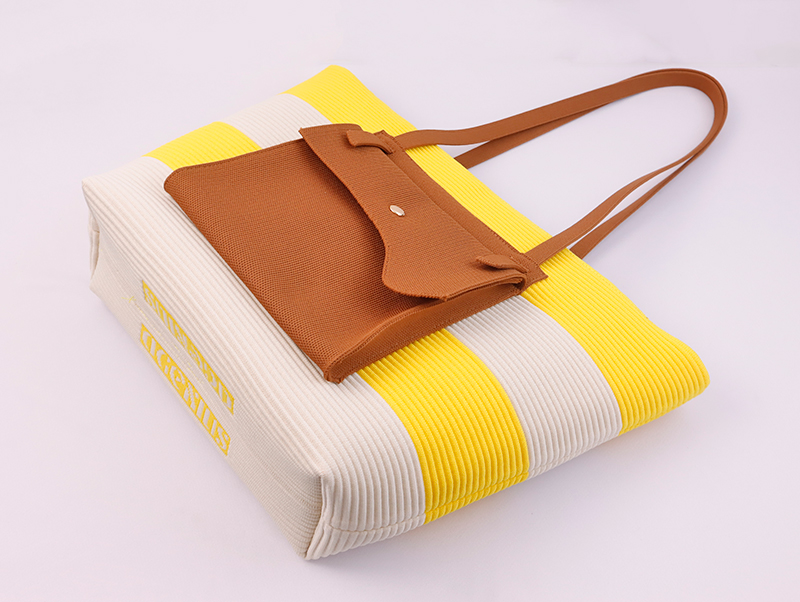
Woven bags have long been typecast as vacation-only accessories, but the latest designs prove they work just as hard in the city. Structured shapes, leather trims, and muted palettes strip away the beach-club vibe, letting the texture speak for itself without feeling out of place next to a tailored blazer or dark denim.
The secret lies in the details. Look for tightly woven fibers like raffia or paper straw with a smooth finish, plus a proper lining and sturdy handles. These elements make the bag feel more like a year-round staple than a souvenir. You can carry one to the office, to a gallery opening, or to dinner without anyone assuming you just left the sand.
Styling them is simpler than you'd think. A medium tote in a natural tone pairs effortlessly with a crisp shirt and trousers, while a small crossbody version adds an organic touch to an all-black outfit. The goal is to treat the weave as a neutral texture, not a novelty—so it blends into your wardrobe rather than shouting for attention.
The Artisans Who Actually Sign Their Work
In most factory workshops, finished pieces roll off the line with nothing but a batch number and a date stamp. But a small group of artisans still insist on leaving their own mark—sometimes a pencil scribble on the base of a ceramic bowl, a steel punch on a leather edge, or a thin brushstroke of initials in the corner of a canvas. That single gesture turns an anonymous product into an object with a personal fingerprint.
Signing is not about vanity; it is about accountability. When an artisan puts a name on a piece, they are saying: I made this, and if it has a flaw, that flaw is mine too. In a culture of quick turnover and disposable goods, this attitude has become rare. Collectors and seasoned buyers learn to look for these signatures because they mean the work can be traced back to a specific pair of hands, a specific bench, and a technique refined over years.
Each signature carries its own handwriting or tool mark—sometimes accompanied by a year, a place, or a short note. These details give an object what old books have in an ex libris: a traceable origin. The buyer receives not just a thing, but a small, verifiable story of its making: who, where, and when. That kind of transparency and pride is exactly what nameless mass production cannot offer.
Bold Hues That Break the Beige Monotony
For years, beige has been the safety blanket of interiors—easy to match, impossible to offend. But a room full of oatmeal and greige rarely sparks any real feeling. The antidote isn't just one accent wall; it's letting a confident color take over. Think deep teal cabinetry in a kitchen, a mustard-yellow sofa anchoring a living room, or unexpected coral trim around a doorway. These choices don't shout for attention; they simply refuse to disappear into the background.
The trick is treating bold hues as neutrals with more personality. A saturated cobalt can ground a space just as effectively as taupe, especially when paired with natural wood, brass details, and plenty of texture. Instead of scattering small pops of color, commit to larger surfaces—a painted ceiling, a full wall of cobalt, a velvet headboard in emerald. That shift moves a space from safe to memorable without feeling chaotic.
There's also a quiet confidence in mixing unexpected partners. Burnt orange next to dusty lavender, olive green against pale pink, or a glossy black door opening into a room washed in sky blue. The beige monotony breaks not because every surface competes, but because the palette finally has a point of view.
Straps, Zippers, and Other Details That Matter
The right strap can make or break a bag, and not just in terms of aesthetics. A well-designed shoulder strap distributes weight evenly, preventing that sharp dig into your collarbone after a long commute. Look for straps with a bit of padding or a contoured shape—they might not scream for attention in product photos, but your shoulders will notice the difference after a few blocks. Similarly, adjustable hardware should feel solid, not flimsy; a cheap buckle that slips under load turns a stylish carryall into a constant annoyance.
Zippers are another quiet workhorse that often gets overlooked until it fails. A smooth, chunky-toothed zipper with a sturdy pull tab is far easier to operate one-handed, especially when you're juggling keys and a coffee. Metal zippers tend to age gracefully, developing a patina rather than cracking like some plastics. Check how the zipper is set into the fabric—reinforced stitching around the ends prevents the dreaded split at the corner, which is one of the most common failure points on otherwise decent bags.
Beyond straps and zippers, small touches like magnetic snaps, reinforced bottom panels, and interior pocket placement separate a bag you tolerate from one you genuinely enjoy. A magnetic closure that aligns without looking, a base that stands up on its own instead of slumping over, and a key leash tucked where your hand naturally reaches—these details don't show up in flashy marketing, but they define daily use. When everything works together, the bag stops being just an object you carry and starts feeling like a reliable partner in your routine.
How to Choose a Woven Bag You'll Still Love Next Year
Look past the pattern and check the weave itself. A tightly woven bag with no loose fibers or gaps between the weave will hold its shape and age better than one with a loose, open construction. Run your hand along the inside seams and the base—if the material bunches or the glue is visible, it won't survive daily use. Natural fibers like raffia or seagrass develop a pleasant patina, but only if the weave is dense enough to resist snags and fraying.
Choose a color and shape you can wear with at least three different outfits in your current wardrobe. A solid neutral, a two-tone weave, or a small-scale geometric pattern tends to outlast bold seasonal prints. The silhouette matters just as much: a simple tote, a rounded bucket, or a structured crossbody often looks fresh for years, while an overly sculptural or oversized shape can feel dated quickly. If you're drawn to a bright color, go for a smaller size so it reads as an accent rather than the main event.
Before you commit, test how the bag behaves when it's carrying your actual essentials. Put your phone, keys, and a water bottle inside and see if the base sags or the handles dig into your shoulder. Wide, reinforced handles and a lining that's sewn—not glued—into the seams make a noticeable difference by late summer. Check that the closure actually closes without wrestling, because a woven bag you have to fight with will end up at the back of your closet.
FAQ
Look for tightly woven raffia, leather-trimmed straw, or recycled plastic threads. These resist fraying better than loosely braided paper straw, and leather corners or handles add reinforcement where bags usually wear out first.
Smaller structured shapes with metallic threading or dark woven leather can absolutely pass for evening. The trick is avoiding oversized beach silhouettes and choosing something with a clasp or zip closure instead of an open top.
Use a soft brush or dry cloth first to lift dust from the weave. For stains, dab gently with a barely damp cloth and mild soap, then stuff the bag with tissue paper while it air-dries so the walls don't collapse inward.
Check the stitching where handles meet the body, whether the weave is even on the inside, and if the base has feet or a firm panel. A quality bag usually feels slightly heavier than it looks and keeps its silhouette when you set it down.
Yes. Opt for muted tones like tan, black, or olive, and choose boxy or trapezoid shapes rather than round totes. Leather straps and minimal fringe keep it professional enough for most casual offices.
A medium size that fits a small water bottle, wallet, sunglasses case, and a slim pouch is usually the sweet spot. Anything larger tends to become a black hole, while anything smaller struggles with everyday essentials.
They handle short trips and carry-ons fine if you avoid overpacking. Choose a style with a zip top and soft but sturdy weave, and keep it in a dust bag when you're not using it to prevent snags in overhead bins.
A fabric lining that matches the exterior tone, magnetic snaps instead of flimsy velcro, and handles that are stitched rather than glued. Even the way the weave pattern aligns at seams can signal better craftsmanship.
Conclusion
The current lineup of woven bags finally moves past the tired assumption that they're only good for a few beach trips. The best options use tight, reinforced weaves that resist fraying and sagging, so they hold their shape well beyond one summer. Many designs now work as easily with a linen blazer or an evening dress as they do with a swimsuit, thanks to structured silhouettes and refined color blocking. A few standout pieces come from small workshops where the weaver's initials are stitched into the lining or stamped on a leather patch—small proof that a real person shaped the bag. And forget plain beige: saturated cobalt, oxblood, and emerald are showing up in raffia and recycled poly blends, giving the category a much-needed jolt.
Hardware matters just as much as the weave itself. Look for straps that are either wide enough to distribute weight or adjustable enough to switch from shoulder to crossbody without digging in. Zippers should glide along reinforced seams rather than catching on loose fibers, and interior pockets need to be deep enough to actually hold a phone. If you want a woven bag you'll still reach for next year, skip overly trendy shapes like giant circles or tiny basket purses. Instead, choose a medium-sized tote, a structured hobo, or a boxy top-handle bag in a color you already wear often. The goal is a piece that feels collected rather than seasonal—something durable enough for daily use but interesting enough to make you slow down and appreciate the handwork.
Contact Us
Contact Person: Mr Deng
Email: [email protected]
Tel/WhatsApp: +86-18926872657
Website: https://www.uniyongfeng.com/