

Strongest Laser for Inflammation Relief: Which One Delivers the Best Results?
2026-08-02
Laser therapy has emerged as a leading solution for inflammation relief, but with so many devices on the market, finding the one that truly delivers can feel overwhelming. Whether you're managing chronic pain or recovering from an injury, the right laser can make all the difference. That's where GUANG TAI stands out—combining advanced wavelength technology with proven clinical effectiveness to target inflammation at its source. In this article, we cut through the noise to reveal which laser delivers the strongest, most reliable results for your needs.
What Makes a Laser “Strong” for Pain and Swelling?
When we talk about a laser being "strong" for pain and swelling, it's not about raw power in the way you might think of a cutting laser. Instead, it's about the ability to deliver a precise dose of light energy deep into tissues without causing heat or damage. The real strength comes from a combination of factors: the wavelength of the light, the power output, and the pulsing pattern. Certain wavelengths, particularly in the red and near-infrared spectrum, are absorbed by cellular components and can kickstart healing processes, reduce inflammation, and ease pain. A "strong" therapeutic laser isn't one that burns—it's one that reaches the right depth with enough energy to make a biological difference.
Another key aspect that makes a laser effective is how it's delivered. Continuous wave lasers emit a steady beam, but many modern therapeutic lasers use pulsed or super-pulsed technology. This pulsing allows for higher peak power in short bursts, which can penetrate deeper while giving tissues a chance to cool between pulses. It also helps avoid thermal buildup, making the treatment more comfortable and safer. The concept of "strong" here really hinges on the dose: measured in joules per square centimeter, it's about getting enough photons to the injured area to modulate inflammation and promote repair. Too little, and you might not see results; too much, and you risk overstimulation. The sweet spot depends on the condition, but a truly strong laser is one that can be finely tuned for the job.
Finally, the perception of strength often comes down to clinical outcomes rather than the laser's label. A device might claim high wattage, but if the light scatters before reaching the target or the wavelength isn't ideal, it won't feel "strong" to the patient or practitioner. The best lasers for pain and swelling have a narrow beam with minimal divergence, ensuring that the delivered energy stays concentrated. They also often combine multiple wavelengths to address different tissue layers simultaneously. When you combine the right wavelength, the right power, and the right technique, the laser becomes a powerful tool for calming inflammation and easing discomfort—without a single side effect. That's the real measure of strength: reliable, reproducible results that patients can feel.
Class 4 vs. Cold Lasers: Which Packs a Real Punch?
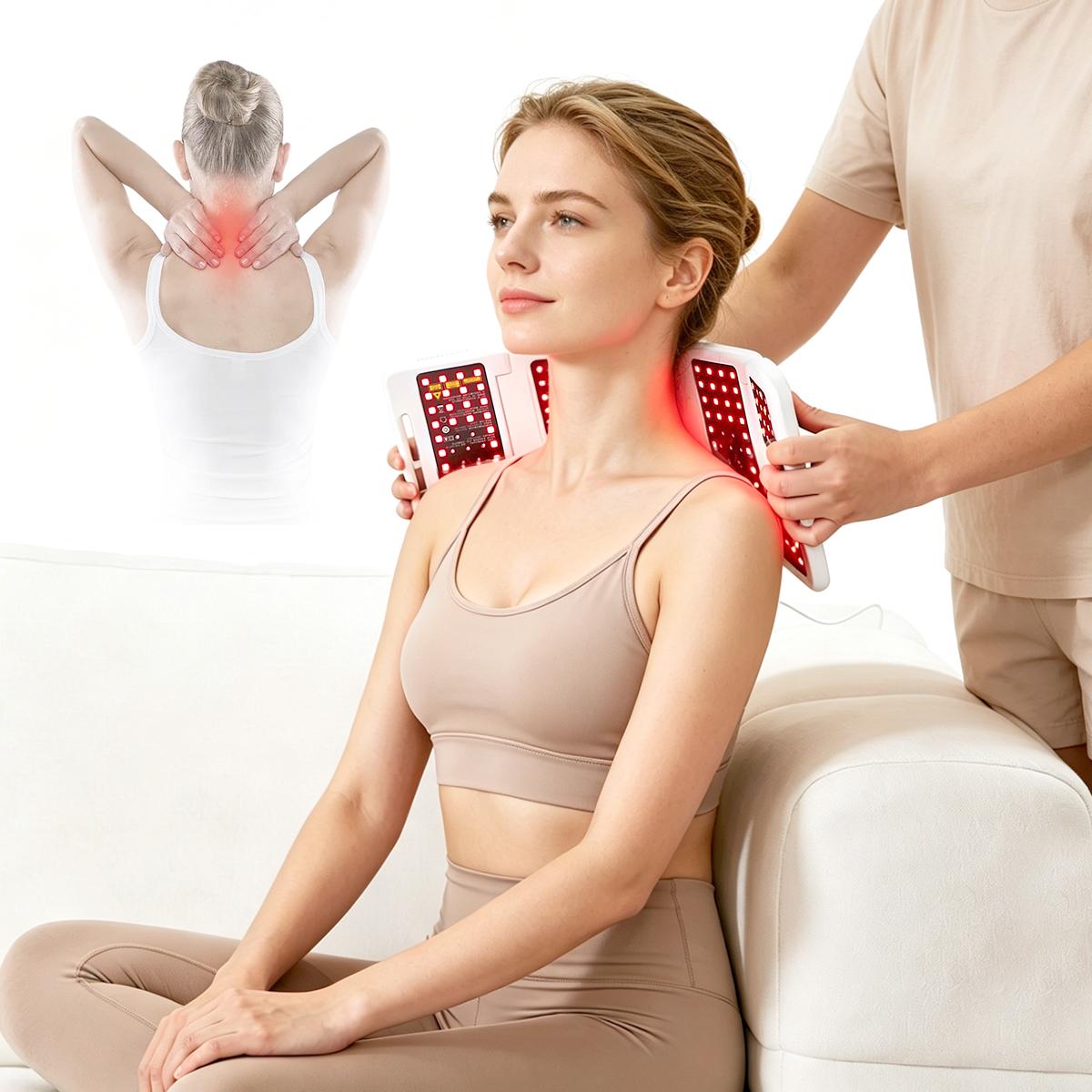
When it comes to therapeutic lasers, the contrast between Class 4 and cold lasers is like comparing a spotlight to a flashlight. Class 4 lasers, often dubbed “hot” lasers, deliver high-powered, deeply penetrating energy that can tackle stubborn soft tissue injuries and chronic pain. They generate noticeable warmth during treatment, which promotes increased circulation and cellular repair at a level cold lasers simply can’t reach. For practitioners aiming to address deep-seated musculoskeletal issues quickly, Class 4 is the powerhouse that brings real, measurable results.
Cold lasers, on the other hand, operate at a much lower intensity and are considered non-thermal. They’re gentle, safe, and work well for superficial conditions like wound healing, inflammation, and acne. However, their limited penetration depth means they often fall short when dealing with deep joint pain or thick muscle layers. While they have their place in surface-level therapy, calling them a match for the tissue-remodeling punch of a Class 4 laser would be misleading.
Ultimately, the choice hinges on what you’re treating. For chronic, deep, or rapidly progressive conditions, Class 4 lasers deliver a potent, fast-acting solution that redefines pain management. Cold lasers suit milder, surface-focused care but lack the deep-tissue horsepower that makes Class 4 devices the preferred tool for serious therapeutic outcomes.
Real Results: What Studies Show About Deep Tissue Relief
Deep tissue massage isn’t just about feeling good—research backs up its ability to ease stubborn aches. In one trial, people with chronic low back pain who got deep tissue work reported significantly less discomfort and moved more freely than those relying solely on standard medical care. The hands-on pressure seems to break up adhesions and improve blood flow, helping muscles reset themselves.
A separate study tracked blood pressure and heart rate in participants after a 45-minute session focused on the deeper muscle layers. Beyond the drop in systolic pressure, their heart rate variability shifted toward a more relaxed state, suggesting a nervous system reset. That might explain why the relief often lasts longer than a simple relaxation massage—your body’s stress response actually dampens for hours afterward.
For athletes and desk workers alike, targeted deep tissue work can reduce the stiffness that builds up from repetitive strain. Researchers measuring muscle tension in the shoulders and neck found that firm, slow strokes lowered both subjective pain levels and measurable tightness for days post-session. It’s a reminder that effective pain relief isn’t just masking the problem—it’s helping tissues heal in a measurable way.
Wavelengths Matter: Finding the Sweet Spot for Inflammation
The interaction between light and inflamed tissue isn’t a one-size-fits-all scenario. The effectiveness of photobiomodulation hinges heavily on selecting the right wavelength. Shorter wavelengths in the visible red spectrum (around 600–700 nm) are absorbed primarily by superficial layers, making them ideal for skin-level inflammation or wound healing. They kickstart cellular repair without overheating the tissue. But when inflammation runs deeper—think joints, muscles, or even neural pathways—longer wavelengths in the near-infrared range (800–1100 nm) become crucial. These penetrate further, reaching mitochondria buried deep within cells to reduce oxidative stress and modulate inflammatory signals.
The concept of a "sweet spot" isn’t just about depth, though. It’s a balance between absorption and scattering. If the wavelength is too short, it scatters too much and never reaches the target. Too long, and water absorption in the tissue dampens the effect before it can do meaningful work. Research points to a therapeutic window between 650 nm and 950 nm where cytochrome c oxidase—a key enzyme in cellular respiration—shows peak responsiveness. Hitting this biological target with precision is what turns a simple light source into a tool that can meaningfully resolve inflammation.
What’s often overlooked is that the ideal wavelength can shift depending on the type and chronicity of inflammation. Acute inflammation might respond beautifully to a 660 nm regimen, while a stubborn arthritic joint may demand 850 nm or a combination of wavelengths to fully resolve. Some practitioners even layer wavelengths, using a red light for surface-level vasodilation and a near-infrared beam to address deeper metabolic dysfunction. The art and science lie in matching the light to both the location and the nature of the inflammatory process—otherwise, even the most powerful device is just a fancy flashlight.
Avoiding the Hype: What Really Works in Clinical Practice
Clinical practice is often clouded by the latest buzzwords and trend-driven interventions that promise quick fixes but rarely deliver sustained results. Step into any professional gathering, and you'll hear about the newest app, gadget, or protocol that's supposedly revolutionizing care. Yet, seasoned clinicians know that flash rarely equates to substance. The disconnect between marketed breakthroughs and day-to-day patient improvement is wider than ever, leaving practitioners to sift through noise for what genuinely matters.
What consistently moves the needle isn't hidden in a proprietary algorithm or a costly certification. It's the deliberate application of foundational principles—accurate assessment, empathetic communication, and interventions anchored in robust, replicated evidence. The real art lies in adapting these timeless elements to the unique person in front of you. When we strip away the embellishments, progress stems from clarity of diagnosis, consistency of effort, and the therapeutic alliance itself—factors that no technology can replace but can thoughtfully augment.
Shielding yourself from the hype requires a disciplined filter. Before adopting anything new, ask: Does this improve functional outcomes in a meaningful way? Is the supporting evidence independent and reproducible? Most importantly, does it empower the patient or foster dependency on the tool? By interrogating novelty with these questions, clinicians can build a practice that's both resilient to marketing storms and deeply effective. The goal isn't to reject innovation but to let patient progress, not promotional promises, guide clinical decisions.
From Athletes to Arthritis: Who Benefits Most from Laser Therapy?
Laser therapy often conjures images of high-performance athletes bouncing back from sprains and strains, and for good reason. The targeted light energy accelerates cellular repair, reduces inflammation, and eases pain, making it a go-to for those needing quick, non-invasive recovery. Weekend warriors sidelined by tennis elbow or runners battling plantar fasciitis regularly find relief without relying solely on medications. But the appeal stretches far beyond the sports field, touching lives in quieter, more persistent ways.
For the millions living with arthritis, laser therapy offers a gentle yet impactful option. It doesn’t reverse joint damage, but it calms the chronic inflammation that makes everyday movements agonizing. By improving local circulation and triggering endorphin release, it can dial down pain levels enough to make gardening, walking, or simply buttoning a shirt possible again. Many older adults discover it fills a gap when pills upset their stomachs or surgery feels too daunting.
Beyond these familiar groups, the net of potential beneficiaries is surprisingly wide. Those stuck in desk jobs can find neck and shoulder relief, post-surgical patients sometimes integrate it to speed healing, and even pet owners see their arthritic dogs moving more comfortably. The common thread is that anyone dealing with stubborn soft tissue issues or joint discomfort might tap into its restorative effects, making laser therapy less about a single profile and more about meeting a universal need for healing without harsh interventions.
FAQ
The effectiveness of a laser for inflammation stems from its ability to penetrate deep into tissues and stimulate cellular repair. Wavelength and power density are crucial—higher-powered Class IV lasers (typically 10W or more) can deliver sufficient energy to reach deeper inflamed areas, accelerating ATP production and reducing oxidative stress.
High-power lasers deliver intense photonic energy that penetrates deeper and faster, making them ideal for acute and chronic inflammation in joints or muscles. Low-level lasers, while gentler, may require longer treatment times and are better suited for superficial issues. For severe inflammation, high-power options often provide quicker relief.
Near-infrared wavelengths between 800nm and 1100nm are most effective because they can reach deeper tissues without being absorbed by melanin or hemoglobin. Dual-wavelength systems, like those combining 810nm and 980nm, offer both tissue penetration and enhanced blood flow regulation, maximizing anti-inflammatory effects.
Yes, some handheld lasers now pack up to 30W of power, rivaling clinic-based units. Devices with pulsed modes and adjustable intensity can manage conditions like tendonitis or arthritis at home. Look for FDA-cleared models with proven clinical data for safety and efficacy.
Many users notice reduced pain and swelling after 2-3 sessions, though chronic conditions may require weeks of consistent treatment. Acute injuries often respond within 24-48 hours. The key is regularity and using adequate dosage—under-treating delays progress.
Proper eye protection is mandatory. Avoid direct exposure to eyes, thyroid, or malignancies. Follow the manufacturer's guidelines for session duration and skin cooling. Higher power doesn't always mean better; tailoring dosage to tissue type and depth prevents overheating.
It can be a drug-free alternative for many, especially for those unable to use NSAIDs. Laser therapy addresses root causes by enhancing cellular metabolism rather than just masking symptoms. However, consult a healthcare provider before stopping medications.
Conclusion
When searching for the strongest laser to tackle inflammation, it’s easy to get lost in technical specs. What truly defines power is not just raw output, but how effectively energy penetrates deep tissues to disrupt the inflammatory cascade. Class 4 high-intensity lasers often lead the conversation because they deliver substantial photon density, triggering rapid cellular responses without burning the skin. Yet, the real magic lies in wavelength selection—typically between 800 nm and 1000 nm—where light scatters less and reaches joints, tendons, and muscle layers more efficiently. This explains why devices operating in that range consistently outperform superficial cold lasers for conditions like chronic bursitis or deep muscle strains.
Clinical evidence underscores that consistency matters as much as raw power. Studies on knee osteoarthritis and sports injuries reveal that protocols with higher fluence per session and frequent treatments yield longer-lasting relief, often reducing reliance on medications. Beyond athletes, elderly patients with degenerative joint disease and even neuropathy sufferers notice meaningful improvement when the right dosage is applied. Beware of marketing claims that conflate peak power with clinical results—effective therapy hinges on calibrated delivery, beam geometry, and practitioner skill. In everyday practice, the “strongest” laser is the one that matches the patient’s condition with an adequate wavelength, sufficient depth of penetration, and a proven treatment regimen, not simply the device with the highest wattage on the spec sheet.
Contact Us
Contact Person: Leon Yi
Email: [email protected]
Tel/WhatsApp: +86 17363316873
Website: https://zzgt.en.alibaba.com/