

Pyrolysis Equipment Supplier: Essential Guide to Choosing the Right Partner for Your Project
2026-11-03
Most pyrolysis projects fail before the first batch is processed—and the reason is rarely the technology. It’s the supplier. Choosing the right pyrolysis equipment supplier means vetting for more than a glossy brochure: you need a team that troubleshoots, adapts, and stands behind their reactors. That’s where Tundrr comes in.
Why Pyrolysis Experience Matters More Than a Polished Sales Pitch
Many vendors put on a flawless show during the sales phase—slick slides, confident speakers, and a long list of theoretical advantages. But pyrolysis projects rarely succeed because of a good presentation. What actually keeps a plant running is the hard-won intuition from previous jobs: knowing which plastic mix will generate too much wax, how to adjust the catalyst bed when sulfur levels shift, or which valve to touch first when the feedstock moisture suddenly spikes. None of that comes from a brochure.
Experienced pyrolysis operators spot risks early because they have lived through real consequences—corrosion eating through a pipe, a condenser clogging at 2 a.m., a temperature runaway that took hours to tame. They don’t promise unrealistic conversion rates. Instead, they give conservative, believable figures based on the range of feedstocks they have personally processed. A company without that field exposure can present a perfect technical proposal but then stumble over basic operational details once the reactor warms up.
When choosing a pyrolysis partner, push past the polished pitch. Ask about their failures and what they did to fix them. A supplier who openly describes a tough troubleshooting night—and the exact steps taken to recover—is far more trustworthy than one who only lists textbook parameters. In the end, a stable and profitable plant depends on engineers who have handled emergency shutdowns in the dark, not on the animations in a sales deck.
Spotting Equipment Red Flags Before They Cost You
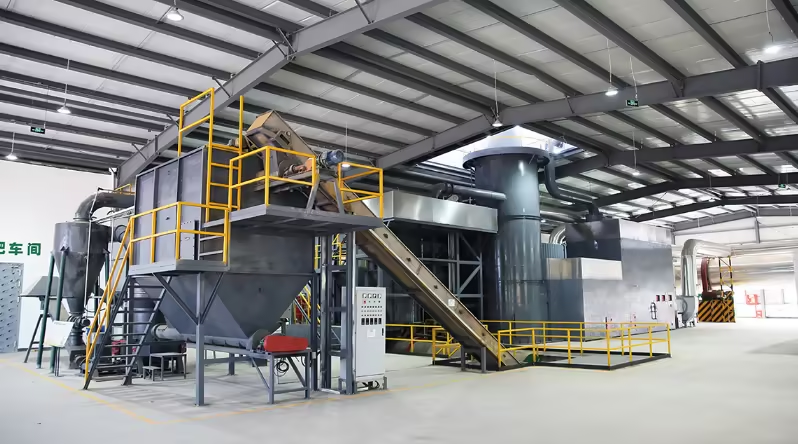
A slight wobble in a conveyor roller or a faint hiss from a hydraulic fitting rarely shuts down a line on the spot. Those small signals, though, are exactly where expensive failures take root. Instead of waiting for a scheduled inspection, walk the floor during a shift change and listen for patterns: a motor that cycles more often than it should, a bearing that sounds like it has sand in it, a gauge needle that flickers even when the load is steady. Each one is a piece of evidence telling you the component is already working harder than it was designed to.
The real cost shows up later, in unplanned downtime, rushed parts orders, and overtime labor that never makes it into the original budget. So when you spot one of these red flags, mark it with a dated tag and a short note about what you heard or felt. Compare notes across shifts. If the same pump gets tagged twice in a week, pull it offline before it decides the schedule for you. That kind of early action costs a fraction of a failure, and it keeps a minor repair from turning into a capital expense.
The Customization Conversation Every Serious Buyer Should Have
Most buyers approach customization with a simple checklist: pick a size, choose a finish, maybe add a monogram. But serious buyers know that the real value comes from asking how each option will behave after months of daily use. Instead of asking which leather is most popular, they ask which one develops the least creasing around the stitching. Instead of debating between two metal finishes, they ask which one shows fingerprints less. This shifts the conversation from catalog browsing to problem solving, and it almost always leads to a better product.
Another part of the conversation that gets overlooked is what happens when something goes wrong. Custom pieces are built to your spec, but that also means repairs aren't as simple as pulling a replacement off the shelf. Ask how the maker handles adjustments six months or a year down the line. Will they refinish a table edge if the seal wears unevenly? How long does it take to get a replacement drawer front if the grain pattern doesn't match the rest? Getting clear answers before you commit prevents that sinking feeling of owning something beautiful but impractical.
Finally, talk about what you are not willing to compromise on. Many buyers hesitate to state their non-negotiables, worried it will sound demanding. But a serious maker wants to hear things like "I won't accept visible hardware on the front" or "The piece has to survive two kids and a dog." Those boundaries give the builder a better target than any Pinterest board. When you leave the design meeting knowing your dealbreakers were heard and addressed, you walk away with more than a custom order. You walk away with confidence.
What Real Performance Data Reveals About a Supplier
Delivery dates on a purchase order tell you almost nothing until you compare them against the actual arrival timestamps. A supplier can promise ten days and routinely hit twelve without setting off alarms, especially if your own team buffer the schedule. Real performance data pulls those gaps into the open: not just average delay, but the spread—one late shipment every quarter might be a fluke, while a steady drift of two days across forty orders signals a capacity problem.
Defect rates tracked by batch, not by monthly average, often expose the true story. A 2% rejection rate looks harmless, but if all those rejects cluster in one production line or one raw material lot, the risk is not random. Pair that with response time after a quality notice: a supplier that replies fast but needs three corrective actions for the same issue is not actually fixing anything.
Finally, look at how the supplier's data changes under load. Many vendors perform fine at 70% capacity and fall apart at 90%. Historical performance during your own peak seasons—or theirs—can reveal whether a quoted lead time will hold when demand spikes. Without that view, you are buying promises; with it, you are buying evidence.
How After-Sales Support Determines Your Project’s Success
Most teams focus heavily on the initial build, yet what happens after launch often carries more weight. A smooth rollout can quickly unravel if users encounter unresolved defects, missing documentation, or slow response times. After-sales support acts as the safety net that catches these issues before they spiral into lost trust and stalled adoption.
Beyond fixing bugs, this phase shapes how stakeholders perceive reliability. A vendor who follows up, monitors performance, and adjusts based on real-world usage signals genuine commitment. In contrast, silence after deployment can sour even the most impressive technical work, leaving clients to wonder whether they made the right choice.
Strong post-launch care also opens doors for future collaboration. When users feel heard and problems are resolved quickly, they become advocates rather than critics. Projects succeed not just because they work on day one, but because they keep working—and improving—long after the handover.
Why Total Cost of Ownership Beats the Initial Price Tag
A low sticker price can feel like a small victory, but it rarely tells you anything about the months ahead. That cheap office printer might need proprietary ink cartridges every three weeks, while a pricier model sits quietly for a year on a single toner. The real question isn't what you pay at the checkout counter—it's what you keep paying just to keep the thing running.
Maintenance, energy use, training time, downtime, and disposal fees all pile up in ways the upfront number never hints at. A machine that breaks twice a quarter costs you labor hours and missed deadlines, even if the repair itself is under warranty. By contrast, a higher initial investment in well-built equipment often flattens those hidden costs to nearly zero over five or six years.
That's why smart buyers compare total cost of ownership before signing anything. Run the numbers over the expected lifespan, not the first invoice. You'll often find that the more expensive option is actually the cheapest one in the room.
FAQ
Start by defining your feedstock composition and target output fractions, then ask suppliers to demonstrate real operating data under similar conditions rather than relying on brochure promises.
Request a time-stamped video or third-party audit of the equipment running at maximum load with the same feedstock you plan to process, and compare actual residence time against theoretical calculations.
Consumable wear parts like reactor seals, catalyst replacement schedules, and emergency spare parts shipping often get overlooked; ask for a five-year total cost of ownership breakdown before signing.
Downtime can cost more than the initial savings if you wait weeks for imported technicians; check if the supplier has certified local contractors, remote diagnostics, and a guaranteed response time in writing.
Ask for GC-MS analysis of oil samples from their existing clients, not just a single lab test; compare calorific value, water content, and total acid number against your downstream user's tolerance.
Rotary kilns suit high-ash feedstocks but have sealing challenges, while fluidized beds offer faster heat transfer but require precise particle sizing; match the design to your feedstock's variability, not the supplier's preference.
If the references all process a uniform feedstock like clean wood chips and you handle mixed plastic waste, those references are nearly useless; insist on visiting a site actually processing material similar to yours.
Include performance guarantees tied to specific feedstock moisture and contamination levels, with a clear formula for financial penalties or buyback if the machine fails acceptance tests within the first 90 days.
Conclusion
Selecting a pyrolysis equipment supplier is less about who delivers the slickest presentation and more about who has actually endured the messy, iterative reality of thermal conversion projects. Seasoned partners bring scars from feedstock variability, corrosion battles, and unplanned downtime—knowledge no sales script can replicate. Before signing, inspect their equipment with a forensic eye: look for thin reactor walls, undersized condensers, or gas cleanup systems that seem like afterthoughts. Ask for real performance data from operating plants, not just theoretical yields, and scrutinize how they handle non-condensable gases, char discharge, and heat integration. A serious buyer should also push the customization conversation beyond superficial tweaks—question whether the supplier can adapt to your specific plastic mix, moisture content, contaminant load, and desired oil fraction without simply rebranding a standard unit.
The true test of a partner often comes after commissioning. After-sales support—spare parts availability, remote troubleshooting, operator training, and willingness to take late-night calls—determines whether your plant runs at 80% uptime or limps along with frequent shutdowns. Equally critical is total cost of ownership: a cheaper quote can hide higher energy consumption, faster refractory wear, frequent catalyst replacement, or a reactor that demands manual cleaning every week. Calculate dollars per ton of feedstock processed over a five-year horizon, not just the upfront invoice. Suppliers who openly discuss these long-term costs, offer performance guarantees tied to real feedstocks, and maintain a network of reference sites are the ones worth trusting with your project. In the end, the right partner isn't the one with the flashiest brochure but the one who treats your pyrolysis plant as a shared, evolving challenge rather than a one-time transaction.
Contact Us
Contact Person: Ellen Zhang
Email: [email protected]
Tel/WhatsApp: +86(21) 2287 6756
Website: https://www.tundrr.com/en/