

Polymer Dust Control Agents: Effective Dust Suppression Methods
2026-07-23
In the battle against dust, traditional methods often fall short. But what if there was a solution that not only controls dust effectively but also stands the test of time? Polymer dust control agents are revolutionizing the way industries tackle this persistent challenge. At the forefront, MST offers cutting-edge formulations that deliver lasting results. Discover how these advanced methods are reshaping dust suppression and why they might be the answer you’ve been searching for.
How Polymer Treatments Tackle Airborne Dust at Its Source
Polymer treatments offer a targeted, chemistry-driven approach to dust suppression by interacting with particles at the molecular level. Unlike water-based methods that merely weigh down dust temporarily, liquid polymers create durable bonds between soil particles, forming a flexible and cohesive crust. This crust resists wind shear and traffic stresses, effectively locking fine particulates in place long after application. The technology works by spreading a diluted polymer solution over dusty surfaces, where it penetrates the top layer and cures into a continuous, breathable matrix that stabilizes the ground without altering its natural water infiltration capacity.
What sets polymer treatments apart is their ability to tackle airborne dust precisely where it originates—on haul roads, construction sites, mining areas, and stockpiles. By agglomerating silt and clay particles that are most prone to becoming respirable dust, polymers prevent these from ever lifting into the air. Over time, the treated surface gradually degrades through UV exposure and mechanical wear, but the polymer’s residual binding effect can last for weeks or months, dramatically reducing both the frequency of maintenance applications and overall water consumption. This longevity translates into quieter, safer work environments with significantly less respiratory hazard.
Crucially, polymer treatments can be engineered to match site-specific conditions, such as soil chemistry, climate, and the intensity of use. Some formulations are designed to re-activate with light moisture from humidity or occasional rain, strengthening the crust over time. Others incorporate surfactants to improve penetration into hydrophobic soils, ensuring uniform stabilization. The result is a dust control strategy that works proactively, treating the problem at its root rather than chasing airborne plumes, which makes it an increasingly preferred solution in industries where air quality compliance and operational efficiency are paramount.
The Science Behind Long-Lasting Dust Bonding
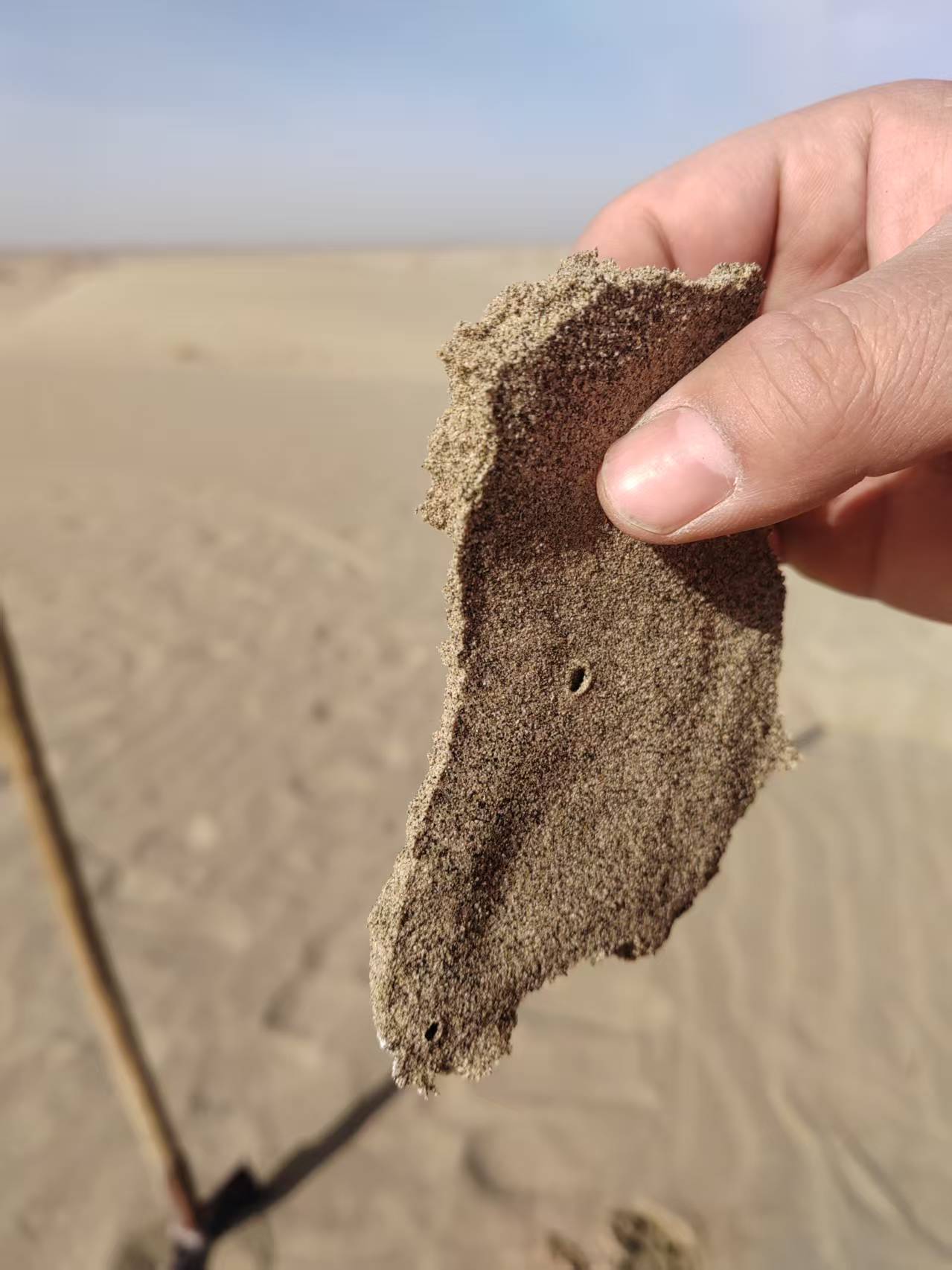
At a microscopic level, dust particles cling to surfaces through a mix of mechanical interlocking and weak electrostatic forces. The real game-changer in long-lasting bonding comes from modifying the surface chemistry at the point of contact. By applying a fluid that wets both the dust and the substrate, we create a continuous liquid bridge. As this bridge cures or dries, it forms a solid bond that locks the particles in place, resisting re-entrainment by wind or vibration. This approach goes far beyond simple adhesion—it’s a deliberate restructuring of the interface to turn loose dust into an integral part of the surface matrix.
The durability of the bond depends heavily on how deeply the treatment penetrates the dust layer. Modern bonding agents are designed with specific viscosity and surface tension profiles to seep into the gaps between particles, then react with ambient moisture or oxygen to form a cross-linked polymer network. This network encases each dust grain and anchors it to the underlying material. Unlike temporary coatings that merely sit on top, this integrated structure distributes stress across a wider area, making it far less likely to crack or peel over time. It’s not unlike how tree roots stabilize loose soil, only engineered for industrial and environmental contexts.
Temperature and humidity during application play pivotal roles in the final bond strength. Advanced formulations include catalysts that regulate the curing speed, ensuring the agent stays workable long enough to soak in but hardens before it can evaporate or drain away. Field tests have shown that this balance can extend effective dust suppression from weeks to months, even in harsh conditions like open mine sites or unpaved roads. The science thus marries rheology, polymer chemistry, and meteorological awareness to make dust bonding a reliable, long-term solution.
Choosing Between Synthetic and Natural Polymer Solutions
When it comes to picking between synthetic and natural polymer solutions, there's no single right answer—it really depends on what you need the material to do. Natural polymers like cellulose, chitosan, or alginate often appeal when biodegradability and low toxicity are top priorities, especially in medical or food-related applications. They can break down harmlessly and often come from renewable sources, which sounds great on paper. But the flip side is that their performance can vary batch-to-batch, and they might not hold up under harsh conditions like high heat or strong chemicals.
Synthetic polymers, on the other hand, give you much more control. You can tailor the molecular weight, crosslinking density, or functional groups to hit specific mechanical or thermal targets—something that's much harder with natural materials. They tend to be more consistent and reliable for demanding industrial uses, from automotive parts to electronics. The trade-off, of course, is that many of them are derived from fossil fuels and don't break down quickly, which raises environmental concerns that can't be ignored.
A growing middle ground is the development of modified natural polymers or bio-based synthetics that try to combine the best of both worlds. By chemically tweaking a natural backbone, or designing polymers that are built from renewable monomers but maintain the precision of synthetic chemistry, engineers are finding ways to get the performance they need without sacrificing sustainability. Ultimately, the choice often hinges on the specific performance requirements, regulatory landscape, and the real-world disposal scenario the product will face.
Real-World Applications from Mines to Farm Roads
From the depths of underground mines to the sprawling networks of farm roads, robust machinery proves its worth in the most demanding environments. In mining operations, heavy-duty vehicles navigate narrow, rocky tunnels while hauling tons of ore, relying on advanced suspension systems and reinforced chassis to withstand constant vibration and impact. The same engineering principles shine on rural agricultural paths, where tractors and trailers traverse muddy, uneven terrain during harvest season, often carrying delicate crops that require a steady ride. This crossover of technology—originally forged in the clatter and dust of extraction sites—now ensures that a farmer’s daily route from field to storage is safer and more efficient, reducing produce loss and operator fatigue.
The line between industrial and agricultural applications blurs when you look at tire and track innovations. Mine-spec tires, designed with cut-resistant compounds and deep treads to survive jagged rocks, have inspired farm equipment tires that resist punctures from stubble and hidden roots. Similarly, tracked undercarriages that provide floatation on loose mine tailings are reimagined for muddy farm lanes, preventing soil compaction and preserving crop health. Even the aftermarket accessories tell a story of shared purpose: heavy-duty lighting rigs that cut through the blackness of a mine shaft are now mounted on combine harvesters, extending working hours during short autumn days. Each adaptation underscores a simple truth: when you build for the harshest conditions, you create solutions that work everywhere.
Beyond hardware, the operational strategies born in mining logistics now streamline farm-to-market journeys. Real-time load monitoring, initially developed to prevent overloaded haul trucks from destabilizing on steep grades, is fitted to grain carts and silage trailers, giving farmers precise weight data that optimizes fuel use and road wear. The centralized maintenance protocols that keep a 24/7 mine fleet running smoothly have reshaped how family farms schedule equipment checks, minimizing downtime during critical planting or harvest windows. It’s a quiet exchange of know-how—where a safety interlock designed to prevent conveyor accidents in a coal preparation plant becomes the failsafe that stops a grain auger before a hand gets caught. This constant blending of worlds means that the bumpy, unpaved roads connecting fields to highways are no longer an afterthought but a proving ground for innovation that starts where the light seldom reaches.
Environmental and Safety Perks of Polymer Dust Control
Polymer-based dust suppression offers a meaningful shift away from conventional methods that often rely on heavy water usage or topical crusting agents. By binding fine particles at the molecular level, these treatments create a durable, flexible seal over soil, gravel, and aggregate surfaces. Unlike water alone, which evaporates quickly and requires frequent reapplication, polymer films remain effective through multiple weather cycles. This means less runoff into nearby waterways and a significant reduction in airborne particulate matter—key contributors to respiratory issues among workers and surrounding communities. The result is a cleaner, safer work environment that doesn't come at the expense of local ecosystems.
One often-overlooked advantage is how these dust control agents preserve the integrity of the land itself. Many traditional suppressants introduce chlorides or petroleum derivatives that can alter soil pH, stunt vegetation, and contaminate groundwater. High-quality polymer formulas, however, are engineered to be non-toxic and biodegradable, breaking down into harmless constituents over time. They don't leave behind a persistent chemical footprint, which is especially critical around sensitive habitats or agricultural zones. The visual quality of treated areas also remains natural, avoiding the unsightly white crusts or oily residues that can signal environmental stress.
Operator safety gets a direct boost as well. Airborne silica dust, common on unpaved roads and construction sites, is a known hazard linked to silicosis and other lung conditions. By forming a resilient surface crust that traps particles even under heavy traffic, polymer treatments lower the risk of inhalation significantly. Additionally, the improved road stability means fewer rutting and pothole incidents, reducing vehicle vibration and potential accidents. It's a proactive approach that quietly benefits everyone on site—from equipment operators to nearby pedestrians—by maintaining a healthier breathing zone and a more predictable travel surface.
Smart Spraying Techniques for Consistent Coverage
Achieving uniform spray coverage hinges on a blend of nozzle selection and pressure regulation. The right nozzle not only determines droplet size but also the spray pattern—flat fan nozzles excel for broadcast applications, while cone types suit targeted treatments. Keeping pressure within the manufacturer's sweet spot prevents drift and uneven deposition. Calibration goes beyond a one-time setup; it's a dynamic adjustment as conditions shift, ensuring each pass lays down a consistent film without gaps or double-coating.
Boom height and speed are often overlooked levers for consistency. Too high, and droplets drift or evaporate before impact; too low, and overlap zones get patchy. Modern auto-boom systems with ultrasonic or laser sensors maintain optimal distance regardless of terrain undulations, stabilizing the spray envelope. Speed synchronization—matching flow rate to ground speed—eliminates surges or skips that plague manual control. Together, these tweaks transform coverage from guesswork into a repeatable, even application across every acre.
Pulse-width modulation (PWM) technology injects precision into conventional spraying. By pulsing the nozzle at high frequencies, it decouples droplet size from flow rate, so operators can dial in the ideal droplet spectrum while varying volume on the fly. This adaptability is clutch in patchy fields where spot spraying or variable-rate applications are needed. Paired with turn compensation that adjusts for inner/outer boom discrepancies, PWM ensures that even in curves and headlands, coverage remains uniform—no heavy streaks, no thin patches.
FAQ
Think of them as a liquid binder that, once sprayed onto dusty surfaces, forms a durable, flexible crust. The polymer chains intertwine with soil or aggregate particles, locking them in place so even strong winds or heavy traffic can't easily kick up dust.
Water simply evaporates, leaving the dust vulnerable again within hours. Salts can corrode equipment and harm surrounding vegetation. Polymers, on the other hand, are designed for longevity—often lasting weeks or months—and many are non-corrosive and environmentally friendlier.
You'll find them everywhere from unpaved mining roads and construction sites to military training areas, outdoor stockpiles, and even agricultural fields. Essentially, anywhere persistent dust creates safety hazards, equipment wear, or regulatory headaches, polymers offer a strong line of defense.
Many modern formulations are water-based and biodegradable, significantly reducing ecological risks. Still, it's crucial to check the specific product's data; some are engineered to meet stringent stormwater discharge rules and won't contaminate groundwater or harm aquatic life when applied correctly.
While the upfront material cost isn't zero, it's far cheaper than asphalt or concrete. You're looking at a fraction of the expense per square meter, and you avoid heavy construction downtime. For road owners managing long stretches of unpaved surface, it's often the most budget-friendly long-term strategy.
Broadly, you have synthetic polymers like polyvinyl acetates and acrylics that create rigid, durable crusts, versus natural biopolymers (think lignin or modified starches) that form semi-flexible, moisture-retentive mats. The choice depends on the traffic load and desired lifespan—synthetics typically offer more brute strength, while biopolymers excel in erosion control and gentle on sensitive ecosystems.
Proper surface preparation is half the battle. Clear away loose debris, grade the surface to remove ruts, and lightly pre-wet the area—this helps the polymer penetrate rather than just pool on top. Applying it to a dry, compacted surface often leads to poor adhesion and early failure.
High-traffic areas require products specifically labeled for heavy use; these often have higher solids content or cross-linking additives that boost abrasion resistance. Even then, occasional touch-ups on tire tracks or high-stress corners might be needed—it's a maintenance treatment, not a permanent pavement replacement.
Conclusion
Polymer dust control agents offer a proactive approach by targeting airborne particles right at the source. Unlike water sprays that evaporate quickly, these liquid treatments penetrate the surface and bind fine dust into a cohesive crust. The science relies on long-chain molecules that create bridges between particles, forming a durable, flexible film that resists wind, traffic, and weathering for weeks or months. This bonding mechanism is key to maintaining air quality in challenging environments like mine haul roads, construction sites, and agricultural lanes. When choosing a solution, synthetic polymers—such as acrylates and polyvinyl acetates—deliver high strength and water resistance, while natural options like lignin or starch-based biopolymers appeal to projects demanding lower environmental impact or faster degradation. Both types reduce water usage, cut down on maintenance grading, and minimize the release of silica and coal dust, safeguarding workers and nearby communities.
Real-world applications span from open-pit mines and quarry crushers to unpaved farm roads and military training grounds. On mine sites, properly treated roads see dramatic drops in respirable dust levels, even under heavy haul truck traffic. On rural roads, polymers stabilize surfaces, reducing potholes and sediment runoff into waterways. Environmental and safety perks go beyond just cleaner air; fewer dust emissions mean better visibility, reduced engine wear on machinery, and lower long-term health risks like silicosis. Moreover, because polymers lock contaminants in place, they help control soil erosion and prevent hazardous materials from migrating. Achieving consistent coverage requires smart spraying techniques—adjustable nozzles, calibrated flow rates, and application just before binding sets—to ensure every inch of ground gets an effective dose. Modern sprayers can handle varying terrains and often recycle excess liquid, making the process efficient and environmentally sound. Altogether, these methods form a cost-effective, long-lasting line of defense against one of industry’s most persistent problems.
Contact Us
Contact Person: Helen
Email: [email protected]
Tel/WhatsApp: 86 18630661160
Website: https://www.roadmilestone.com/