

Polymer-Based Soil Stabilizer Solutions for Durable Road Construction
2026-07-02
Unstable soil is the hidden enemy of every road project, causing cracks, potholes, and costly repairs. Traditional stabilizers often fall short, but modern polymer-based solutions are changing the game—and MST is leading the charge with innovative, durable road construction technologies. In this blog, we’ll explore how these advanced polymers transform weak soils into rock-solid foundations, cutting maintenance and extending pavement life. If you’re tired of patching the same roads year after year, it’s time to discover a smarter way to build from the ground up.
How Polymer Chemistry Overcomes Traditional Soil Stabilization Limits
Traditional soil stabilization methods—cement, lime, mechanical compaction—often hit a wall in expansive clays or silty sands. They either demand heavy machinery and sustained moisture, or they cure too rigidly, cracking under the very stresses they’re meant to resist. Polymer chemistry sidesteps these limits by working at the molecular scale: long-chain molecules infiltrate the soil matrix, forming flexible, durable bonds that lock particles together without sealing off natural porosity. The result is a treated mass that resists water erosion, withstands freeze-thaw cycles, and maintains elasticity where conventional binders would fail.
What sets polymers apart is their tailorability. By adjusting cross-link density, functional groups, or molecular weight, engineers can dial in specific properties—from rapid dust suppression to deep subgrade strengthening. This isn’t a one-size-fits-all slurry; it’s a precise reaction tuned to the soil’s mineralogy and the project’s demands. In sandy soils where cement washes out before it sets, polymer emulsions can coat grains and cure underwater, creating immediate cohesion. In clay, cationic polymers neutralize surface charges that drive swelling, drastically reducing volume changes without the carbon footprint of lime production.
Perhaps the most overlooked advantage is long-term performance without the brittleness. Cement-treated soils often degrade from traffic-induced microcracking, letting water in and accelerating failure. Polymer-stabilized layers, however, act more like a reinforced composite—distributing loads and self-healing minor fractures through polymer chain mobility. This resilience means thinner pavement sections, less aggregate replacement, and roads that stay serviceable through seasons that would heave conventionally treated bases. Chemistry, in this case, doesn’t just meet the standard—it rewrites it.
The Hidden Role of Cross-Linking in Long-Lasting Road Foundations
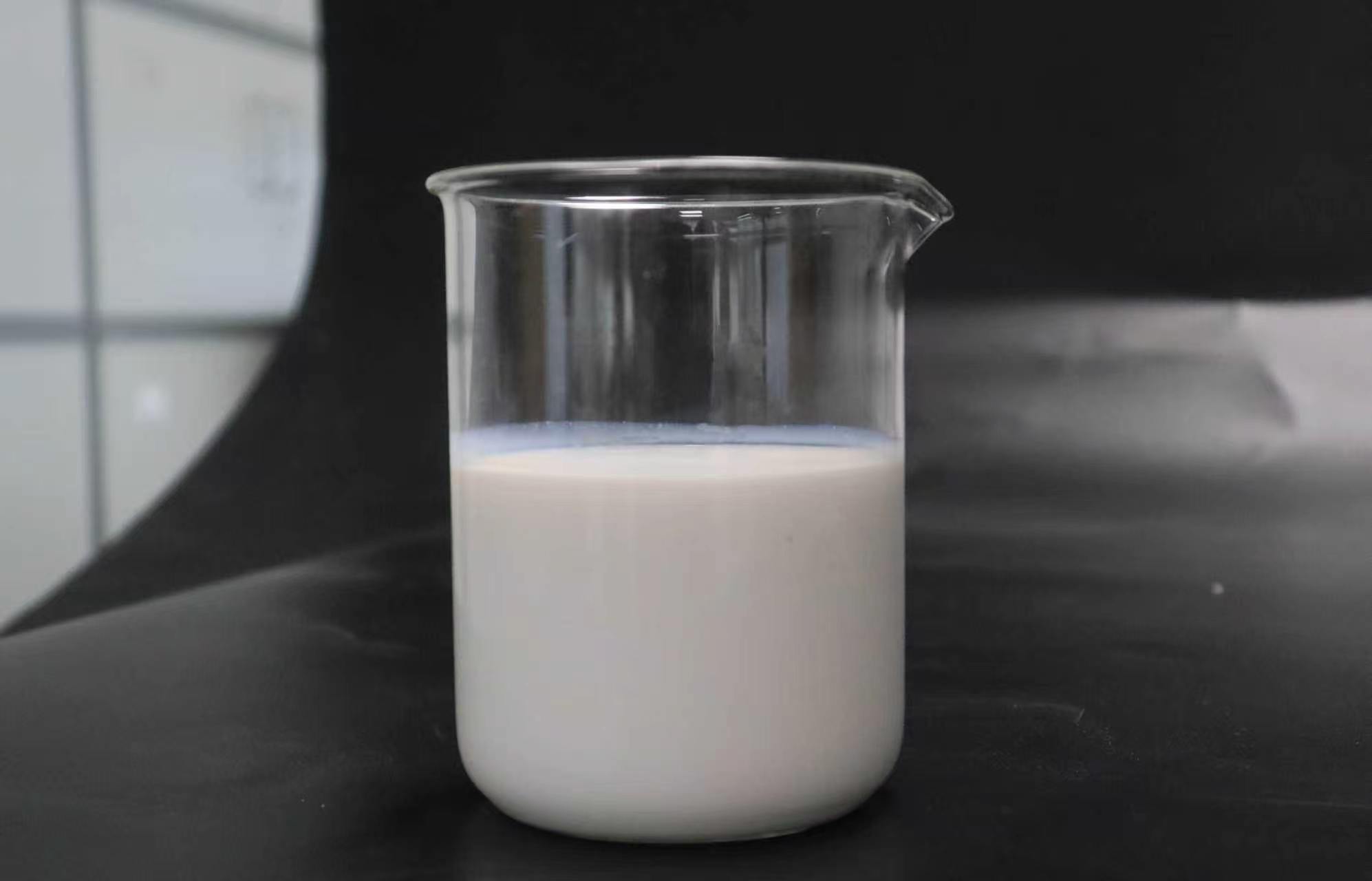
Road foundations might seem like simple layers of compacted material, but their longevity often hinges on a subtle chemical dance: cross-linking. In polymer-modified soils and emulsions, cross-linking agents quietly weave molecular bridges between polymer chains, transforming a weak, loosely bound matrix into a tough, three-dimensional network. This invisible reinforcement boosts resistance to cracking, rutting, and water infiltration, all without adding extra weight or bulk.
Contractors rarely talk about it, yet cross-linking is the unsung hero behind roads that endure decades of heavy traffic and harsh weather. When bitumen emulsions are mixed with reactive additives, the cross-linking reaction can be precisely controlled—too little and the foundation remains brittle, too much and it becomes overly rigid, sacrificing flexibility. Getting that balance right allows the base layer to flex under load without breaking, much like a polymer web absorbing stress and redistributing it evenly across the subgrade.
The real magic happens at the microscopic level, where cross-linking density determines how well the foundation self-heals after minor stress fractures. Unlike traditional cement-treated bases that crack and stay cracked, a cross-linked polymer network can partially rebound, sealing microcracks before they propagate. This barely visible mechanism is what keeps old highways surprisingly intact long past their expected service life, proving that sometimes the smallest bonds make the biggest difference.
Why Subgrade Strength Matters More Than Surface Paving
Most people only notice the smooth asphalt or concrete on top, but a road's real backbone lies beneath. If the subgrade—the soil or aggregate layer supporting everything above—is weak or poorly compacted, even the thickest surface will eventually crack, rut, or sink. Think of it like building a house on sand: no matter how sturdy the walls, the foundation dictates how long the structure stands. In paving, the subgrade absorbs and distributes the constant pressure from traffic, weather, and shifting ground. Without adequate strength there, the surface layer becomes a brittle shell, vulnerable to every stress it encounters.
What makes subgrade failure so costly is that it's often invisible until major damage occurs. By the time potholes or deep depressions appear, the underlying problem has usually been developing for years. Repaving the surface alone becomes a temporary fix, like repainting a ceiling while the roof still leaks. Engineers spend considerable effort testing soil density, moisture content, and load-bearing capacity before a single paver rolls out, because getting these variables right up front can extend a road's life by decades. Skimping on this step to save time or money only guarantees much larger expenses later on, along with the disruptions of ongoing repairs.
Climate adds another layer of complexity. Freeze-thaw cycles, heavy rains, and prolonged droughts all act on the subgrade constantly. A well-prepared base can drain water away and resist the expansion and contraction that tears roads apart from underneath. In areas with extreme weather, the subgrade becomes even more critical than the surface mix or application technique. Ultimately, the best paving job in the world won't survive on a compromised foundation—making subgrade preparation the least visible but most vital part of any long-lasting road or pavement project.
Field-Tested Polymer Formulations for Extreme Weather Roads
Roads in regions battered by scorching heat, bitter cold, or relentless rain demand more than ordinary asphalt. Engineers and material scientists have spent decades perfecting polymer-modified binders that can shrug off thermal cracking and rutting. From styrene-butadiene-styrene (SBS) to polyphosphoric acid (PPA) blends, each formulation has been tried and tested on real highways, not just in labs. Data from decades-long field trials in Scandinavia and the Middle East reveal that polymers can double a pavement's service life, even under relentless freeze-thaw cycles or 60°C heat.
What makes these mixes truly resilient is their tailored rheology. For bone-chilling winters, low-temperature ductility is king—polymers that remain elastic at −30°C prevent crippling surface cracks. In desert climates, the challenge shifts to permanent deformation; high-modifier blends with crumb rubber from recycled tires keep stiffness under searing sun. Recent field deployments in the Canadian Rockies and Australia's Outback demonstrate that dual-phase polymer networks, interlocking at the microscopic level, suppress both fatigue cracking and oxidative aging. The result: less maintenance, fewer traffic disruptions.
Beyond blend chemistry, construction practices are critical. Even the most advanced polymer won't perform if compaction temperatures are sloppy or mix storage times exceed the pot life. Successful DOTs standardize on quality control protocols that verify polymer dispersion using fluorescence microscopy on job-site cores. They also embrace warm-mix techniques that reduce energy and fumes without compromising long-term durability. As extreme weather events become the new normal, these battle-tested formulations are moving from niche solutions to standard specifications, offering a blueprint for highways that truly hold up against nature’s fury.
Reducing Maintenance Cycles with Polymer-Treated Base Layers
Imagine a road base that heals its own micro-cracks before they ever become potholes. That’s the quiet revolution polymer-treated base layers bring to infrastructure maintenance. By infusing the aggregate foundation with specialized polymers, engineers are creating a flexible, water-resistant matrix that dramatically slows the deterioration cycle. Instead of the typical seasonal patching and full-depth reconstruction every few years, these treated bases can stretch maintenance intervals by decades. It’s a shift from reactive repairs to proactive resilience, turning what was once a constant budget drain into a long-term asset.
The secret lies in how polymers bind loose particles into a cohesive, load-spreading platform. Traditional granular bases shift and erode under traffic and moisture, leading to rutting and surface failure. Polymer treatment locks the matrix in place, reducing deformation and preventing water infiltration that would otherwise weaken the subgrade during freeze-thaw cycles. This not only keeps the pavement intact longer but also means fewer emergency call-outs for agencies and less disruption for the public. The result is a lifecycle approach where the upfront treatment pays for itself many times over in deferred maintenance and extended asset life.
Real-world trials are backing up the theory with hard numbers. In several states, sections of highway built with polymer-stabilized bases have gone over 15 years without major intervention, while adjacent control sections needed full rehabilitation in half that time. This isn’t just about saving money—it’s about reimagining how we manage pavement networks. As maintenance backlogs grow and budgets shrink, treatments that reduce the frequency and intensity of repairs are becoming essential. Polymer-treated base layers offer a practical, readily available method to break the costly cycle of repeated maintenance and finally build roads that last as long as we need them to.
A Practical Guide to On-Site Polymer Application Methods
Polymers have become indispensable in modern construction and repair, yet their on-site application often trips up even seasoned crews. The secret isn't just in the product data sheet but in reading the substrate's mood. A damp, dusty, or overly smooth surface can ruin adhesion faster than a bad mix ratio. Before you pop open that bucket, run a quick moisture test with a plastic sheet—if condensation forms within an hour, you need to dry things out or switch to a moisture-tolerant primer. And don't just blast away with a pressure washer; sometimes a simple wire brush and a solvent wipe create a better anchor profile than high-tech gear. It's about respecting the materials and understanding that good prep is half the battle.
Mixing and application rhythms are where many projects lose their rhythm. For two-part systems, avoid the temptation to eyeball the catalyst—use a graduated cup or a weigh scale, and mix for a full two minutes, scraping the sides and bottom at least three times. When troweling or rolling, think in sections, not from one end to the other mindlessly. Overlap wet edges but don't overwork the material; polymers can shear-thin, and excessive manipulation can kick off curing prematurely, leaving a lumpy, weakened film. If you're spraying, dial in the air pressure so the fan pattern delivers a wet, even coat without misting. A trick from the field: keep a small test patch curing in the sun nearby—if it skins over too fast, you know to adjust your pace or add a retarder.
Post-application life happens too fast for a slow reaction. Cure times quoted on spec sheets assume ideal lab conditions, not a gusty afternoon with dropping humidity. Before you demold or open to traffic, press a fingernail into a hidden spot—if it leaves a mark, the polymer isn't ready. Similarly, hot days can fool you: the surface may feel dry while the core remains soft. Use a moisture meter to probe deeper, or simply wait double the advertised window if temperatures are above 30°C. When recoating, don't trust the clock; abrade the surface lightly if you've missed the exact recoat window. These little field calibrations separate a finish that fails in months from one that holds for decades.
FAQ
They are liquid or powder additives mixed with soil to enhance its physical properties. The polymers bind soil particles together, creating a stronger, cohesive matrix that resists water penetration and mechanical wear.
They significantly improve load-bearing capacity and reduce dust and erosion. Roads treated with them last longer under heavy traffic and harsh weather, meaning fewer repairs and lower lifecycle costs.
Traditional methods use cement or lime to chemically harden the soil, which can become brittle and crack over time. Polymer stabilizers form a flexible network that withstands thermal expansion and contraction, reducing cracking and maintenance.
Most soil types can be treated, but it's especially effective for clay, silt, and sandy soils. The polymer formulation can be tailored to the soil's characteristics, ensuring optimal binding and water resistance.
Polymer-stabilized soils have excellent water resistance, preventing washouts and softening. They also resist freeze-thaw cycles and thermal cracking, making them suitable for diverse climates.
It's relatively straightforward. The soil is mixed with the polymer solution using standard construction equipment, compacted, and left to cure. No special skills are required beyond basic site preparation.
Yes, it reduces the need for quarrying virgin aggregates and lowers carbon emissions from transportation. Many polymer products are non-toxic and minimize dust pollution, protecting surrounding ecosystems.
Conclusion
Modern road construction faces persistent challenges from weak subgrades, moisture damage, and swelling soils, but polymer-based stabilizers are reshaping the way engineers build durable foundations. Unlike conventional cement or lime treatments that simply harden the soil, these liquid polymers penetrate the ground and trigger cross-linking reactions at the molecular level, forming a three-dimensional network that locks soil particles together. This chemical bonding drastically reduces water permeability, increases load-bearing capacity, and resists volume changes caused by freeze-thaw cycles or prolonged wet weather. Field trials across diverse climates from arid deserts to monsoon-prone regions have confirmed that polymer-treated subgrades maintain their strength years longer than traditional bases, minimizing the all-too-common cycle of seasonal repairs.
Equally important is the way polymers enhance the subgrade itself, the hidden workhorse beneath the asphalt that ultimately dictates a road's lifespan. When subgrade soils are properly stabilized, surface paving can be thinner yet more resilient, saving materials and cost. Application methods have evolved to be remarkably straightforward: polymers can be mixed in-situ with reclaimers, injected at depth, or applied as spray-on treatments that seep deep into the formation. This versatility means contractors can tailor solutions to local soil types and weather extremes without relying on imported aggregates. The result is a smoother, longer-lasting road that demands far fewer maintenance interventions, proving that strength from below is the real secret to sustainable infrastructure.
Contact Us
Contact Person: Helen
Email: [email protected]
Tel/WhatsApp: 86 18630661160
Website: https://www.roadmilestone.com/