

OEM Check Valve Supplier: Quality Solutions for Your Fluid Control Needs
2026-05-16
Finding a reliable OEM check valve supplier can be a challenge, but with ZMV, you gain a partner dedicated to precision and performance. Whether you're managing complex industrial systems or simple fluid control setups, the right valve makes all the difference. Let's explore how our tailored solutions can keep your operations flowing smoothly and efficiently.
Tailored Check Valve Solutions for Complex Fluid Systems
Every fluid system presents its own set of challenges, from pressure fluctuations and corrosive media to extreme temperatures and space constraints. Off-the-shelf check valves often fall short when conditions stray from the standard. That’s where tailored solutions step in—overcoming operational hurdles by matching the valve’s design, materials, and performance characteristics to the precise demands of the system.
Custom check valves can be engineered with specialized sealing geometries, non-standard end connections, and bespoke cracking pressures to prevent reverse flow without compromising flow efficiency. Material selection is equally critical: exotic alloys, high-performance polymers, and ceramic components address compatibility with aggressive chemicals or high-purity processes. Advanced manufacturing techniques allow for compact, lightweight designs that integrate seamlessly into tight installations without sacrificing reliability.
Beyond the physical valve, tailored solutions often incorporate predictive engineering support—analyzing fluid dynamics, pressure transients, and potential failure modes before a prototype is ever made. This collaborative approach ensures that the final check valve not only functions correctly at startup but maintains consistent performance over years of demanding operation, reducing downtime and total cost of ownership.
Why Material Selection Matters in Check Valve Performance
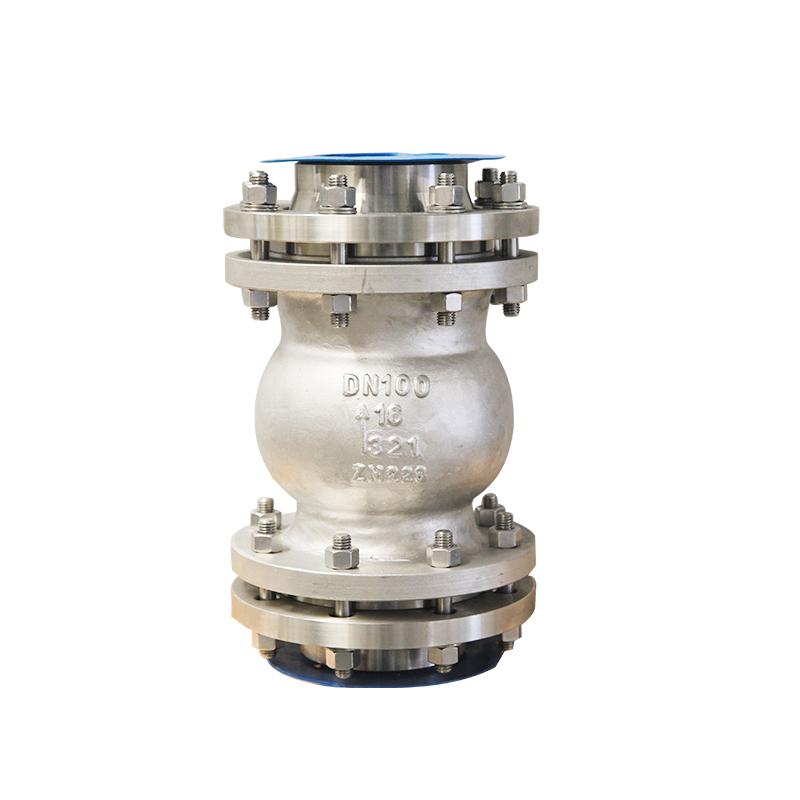
The material you choose for a check valve isn't just a minor detail—it directly dictates how the valve will behave under real-world conditions. Start with the obvious: chemical compatibility. If the valve internals can’t withstand the media flowing through, you’re looking at corrosion, erosion, or outright failure, sometimes in a matter of weeks. But beyond survival, material dictates the valve’s cracking pressure stability, seat tightness, and even how quietly it operates. For instance, a soft-seated elastomer may seal beautifully on clean water but swell and stick when exposed to certain oils, while a metal-seated design might handle aggressive chemicals but demand near-perfect alignment to avoid leakage. These nuances mean that material selection is really about matching the valve’s personality to the job it needs to do.
Thermal and mechanical demands add another layer. A material that’s perfect at room temperature can become brittle at subzero conditions or lose strength in high-temperature steam lines, leading to warped discs or degraded seals. Then there’s the overlooked factor of fatigue life: in applications with frequent cycling or water hammer, a ductile material may absorb shock without cracking, while a harder, more brittle alloy might fail catastrophically. Even the economics are tied to performance—cheaping out on materials often backfires when you factor in unplanned shutdowns and replacements. Smart material choice isn’t just about ticking a datasheet box; it’s about understanding how temperature swings, pressure spikes, and fluid dynamics will interact with the valve over years of service.
Real-world experience shows that the best-performing check valves are often those where the material selection was done with a specific failure mode in mind. Engineers who’ve dealt with sticky slurries know that a polished stainless steel disc resists buildup better than a rough cast surface. Those familiar with high-purity systems appreciate how electropolished surfaces reduce particle entrapment. Even in ordinary water systems, the difference between a standard brass body and a dezincification-resistant brass can be the difference between a decade of service and a pinhole leak in two years. Ultimately, material selection is where the art of valve engineering meets practical problem-solving—it’s the quiet decision that keeps a system running reliably when no one is watching.
From Design to Delivery: Our Manufacturing Precision
Every product begins as an exact digital blueprint, where our engineers scrutinize tolerances, material behavior, and assembly logic long before any machine powers on. We don’t just hand off a file—we simulate stress points, refine joint geometry, and validate every dimension against real-world use cases so the transition from screen to factory floor is frictionless.
On the production line, CNC systems, laser cutters, and automated inspection stations operate in a closed loop, cross-referencing each part against its master model in real time. Human machinists audit these processes at predetermined checkpoints, but the constant self-correction built into our cells means deviations are caught at the micron level, not after batches are complete.
The final stage fuses rapid logistics with quality assurance: packaged units are serial-tracked from our dock and monitored through transit conditions—shock, humidity, orientation—so when they arrive, you unpack a product whose integrity has been protected from the moment it left our hands. That’s the uninterrupted chain we call manufacturing precision.
Preventing Backflow: The Heart of Reliable Flow Control
In fluid handling systems, the quiet threat often comes from the wrong direction. Backflow isn't just a nuisance; it's a failure mode that can quietly sabotage entire processes. Whether you're managing potable water supplies, chemical dosing lines, or hydraulic circuits, any reversal of flow introduces contamination risks, damages sensitive equipment, and disrupts pressure balances that operators rely on. Preventing backflow is more than a design checkbox—it's the foundational piece that keeps flow predictable and safe.
Reliable flow control hinges on the ability to trust that media moves only where it's supposed to, when it's supposed to. Simple check valves may work for basic setups, but real-world systems often demand more resilient solutions—like dual-plate designs, silent checks for low surges, or integrated backflow preventers with reduced pressure zones. These aren't just components; they're guardians that maintain system integrity during startups, shutdowns, and those unexpected pressure spikes that no one plans for. The right choice here directly determines how long the rest of your equipment lasts.
When backflow prevention fails, the consequences ripple outward. Contaminated municipal water lines lead to regulatory nightmares and public health crises. In industrial process streams, a momentary reversal can ruin a product batch or destroy a compressor. The cost of fixing these issues far outweighs the upfront investment in robust prevention. Yet it's an area that's often overlooked until something breaks. Wise engineers treat backflow prevention as the heartbeat of flow control—not because it's the most visible part, but because without it, nothing else functions reliably.
Industry-Specific Check Valves That Meet Rigorous Standards
When operations depend on uninterrupted flow and absolute safety, generic components simply won't do. Specialized check valves designed for distinct industrial environments bring a level of assurance that off-the-shelf alternatives can't match. These aren't one-size-fits-all solutions; they're engineered to handle aggressive chemicals in petrochemical plants, maintain purity in pharmaceutical processes, or withstand extreme pressures deep beneath the ocean surface. The materials, sealing technologies, and internal geometries are selected precisely for the task, ensuring that the valve not only opens and closes on demand but does so without contaminating the medium or succumbing to corrosion. This precision translates directly into longer service intervals and fewer unexpected shutdowns, protecting both your bottom line and your reputation.
Compliance isn't just a checkbox—it's woven into the DNA of a well-made check valve. Leading manufacturers align their designs with demanding global directives, from API and ASME standards in the energy sector to FDA-grade finishes for food and beverage processing. Fire-safe certifications, cryogenic ratings, and NACE compliance for sour gas service are often baked into the product line rather than treated as optional upgrades. Third-party audits and traceable material certifications provide an extra layer of confidence, giving engineers the proof they need to specify a component without hesitation. When a valve carries the right certifications, it signals that it has survived brutal testing sequences—opening and closing hundreds of thousands of times under controlled duress, often far beyond normal operating conditions.
Real-world reliability isn't built on promises; it's forged through decades of field data and continuous refinement. The most dependable check valves often emerge from tight partnerships between manufacturers and the industries they serve, where feedback loops drive incremental improvements. A mining slurry application might demand a reinforced disc that shrugs off abrasive wear, while a steam system needs a silent, non-slam closure that prevents water hammer. Innovative features like spring-assisted closure, dual-plate designs for compact installations, or transparent bodies for visual confirmation are less about flash and more about solving persistent headaches. In the end, it's this obsessive focus on the specific—not the generic—that keeps systems running smoothly and inspection reports clean.
Long-Term Durability That Reduces Maintenance Costs
Built with premium materials and a design that prioritizes endurance, this solution stands up to daily wear and tear far better than typical alternatives. You won’t find yourself constantly replacing parts or calling in service teams, which means your focus stays on operations, not repairs.
Over time, the numbers speak for themselves. Fewer breakdowns lead to dramatically lower maintenance budgets, freeing up capital for growth instead of unplanned fixes. It’s the kind of reliability that makes long-term planning straightforward—just set it and forget it for years on end.
Even in demanding conditions, the robust construction holds its own, minimizing the need for frequent inspections and unexpected downtime. The result is a consistent performance curve that helps you avoid the hidden costs of frequent upkeep and replacement cycles.
FAQ
They design and manufacture check valves specifically to meet the unique specifications of equipment manufacturers. This often involves custom engineering to ensure the valves integrate seamlessly into larger fluid control systems, helping prevent backflow and maintain system integrity.
Look beyond the marketing claims. Check for material traceability, pressure testing documentation, and lifetime cycle reports. A dedicated partner will openly share their inspection processes, from raw material sourcing to final assembly, often exceeding standard certifications.
Be ready to discuss your media type, temperature and pressure extremes, flow rate, and the specific cracking or reseal pressure you need. Mention any unusual operating conditions like pulsating flow or potential for debris so they can suggest materials and seat designs that prevent premature wear.
A standard valve often forces compromise on performance or lifespan in specialized machinery. A custom valve is built to handle your exact pressure drop limitations or mounting constraints, which can eliminate leak points and reduce assembly time on your production line.
They are vital in medical gas systems where backflow prevention is a life-safety issue, in mobile hydraulic equipment where compact design is crucial, and in food and beverage processing where sanitary dead-leg-free construction is non-negotiable for cleanability.
A real partner will ask about your entire system, not just the valve connection size. They might suggest alternative sealing technologies like a flexing diaphragm instead of a spring, or help you troubleshoot installation orientation problems. Look for engineering support before any order is placed.
Selecting a valve body and seat material without understanding chemical compatibility can lead to swelling or embrittlement. For instance, a hydrogenated nitrile seat might seem fine but could fail quickly with certain synthetic hydraulic oils. The right supplier helps you avoid early fatigue failures through material science expertise.
Conclusion
In complex fluid systems, off-the-shelf check valves rarely deliver the performance and longevity operations demand. That’s where a partner with deep engineering know-how becomes essential. We specialize in crafting tailored check valve solutions that consider every nuance of your system—from flow dynamics and pressure fluctuations to compatibility with aggressive media. Material selection sits at the core of this process. Whether your application requires the corrosion resistance of Hastelloy, the toughness of duplex stainless steel, or specialized polymer linings, the right choice determines not just immediate function but years of trouble-free service. Our manufacturing precision bridges the gap between sound design and reliable hardware; every valve undergoes rigorous dimensional checks, material verification, and performance testing before it leaves our facility. This meticulous approach ensures that when backflow threatens to disrupt your process or damage sensitive equipment, our check valves respond instantly and seat securely every time—because preventing reverse flow isn't just a feature, it's the fundamental promise of a check valve.
But reliability doesn't end at delivery. Industries like oil and gas, chemical processing, water treatment, and pharmaceuticals operate under stringent regulations and harsh conditions. That’s why we engineer industry-specific check valves that meet certifications such as API, ASME, and FDA, while also accommodating unique connection standards and cleanliness requirements. The true measure of a quality check valve, however, emerges over time. By combining robust design with superior materials and precision manufacturing, our valves exhibit long-term durability that minimizes unplanned downtime and slashes maintenance budgets. Fewer replacements, less frequent servicing, and consistent performance translate directly to lower total cost of ownership. For OEMs integrating check valves into their fluid control assemblies, this means delivering end-products that uphold reputation and keep customers’ operations running smoothly year after year.
Contact Us
Contact Person: Lucas Lin
Email: [email protected]
Tel/WhatsApp: 8613968913000
Website: https://www.zhengmaogroup.com