

Industrial Heating Cooling Manufacturer Shares Expert Tips for Efficient Temperature Management
2026-10-27
Getting industrial temperature control right is rarely about buying the most expensive equipment—it’s about understanding how heat moves through your specific process. That’s where hands-on expertise from a manufacturer like Tongbaote becomes invaluable. In this post, we dig into practical, no-nonsense tips that can help you stabilize thermal output, cut waste, and avoid the silent inefficiencies that creep into daily operations.
What Your Current Temperature Data Is Trying to Tell You
A single temperature reading rarely tells the whole story. Look at the slope of change over the past few hours. A slow, steady climb often points to normal daytime heating or a system gradually warming up, while a sharp spike can signal a failing component, a door left open, or a sensor exposed to direct sunlight. The rate of change matters more than the absolute number in many cases.
Compare your current data against the same time yesterday and the same day last week. If today's afternoon peak is three degrees higher than usual but the outdoor weather hasn't shifted, that's a clue something inside your space is adding heat—maybe new equipment, increased occupancy, or blocked airflow. Conversely, a cooler-than-expected reading at night might point to an overactive cooling system or a draft you haven't noticed.
Finally, pay attention to how long a deviation persists. Short-lived fluctuations are often noise: a door opening, a quick burst of activity. But if the change holds for more than a few hours, treat it as a signal. Log the data, check sensor placement, and look for correlated changes in humidity or power usage. Temperature data rarely lies; it just needs context to be useful.
Sizing Errors That Show Up on the Utility Bill
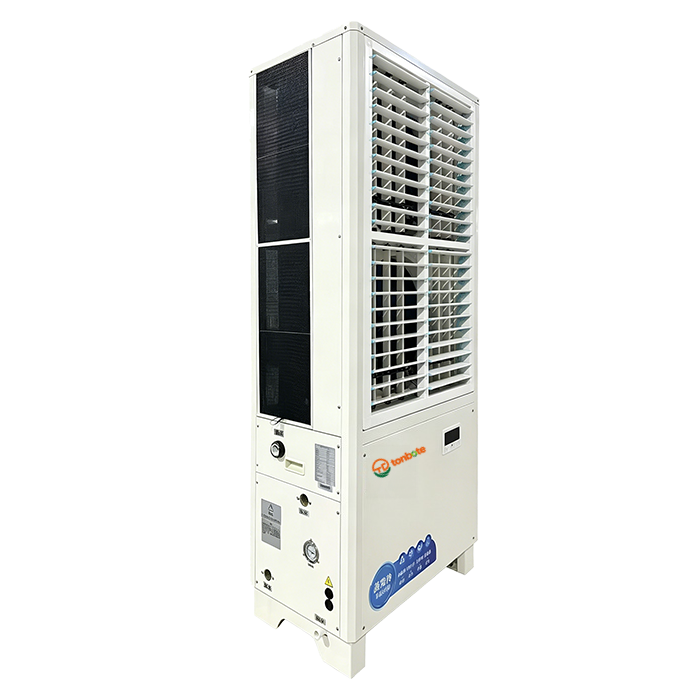
A unit that's too large for the room or house will cool the air so quickly that the thermostat clicks off before the system has a chance to pull moisture out. You'll feel that sticky, clammy sensation and probably nudge the temperature down a few degrees to compensate, which only makes the short cycling worse. The utility bill won't show a single dramatic spike; instead, it stays elevated across the entire cooling season, often with daily usage graphs that look like a sawtooth pattern of rapid on-off pulses.
If the equipment is undersized, the opposite pattern appears. The system runs almost continuously during the hottest or coldest hours, drawing full power for hour after hour. On a smart meter chart, this shows up as a long, flat plateau of consumption that doesn't drop until well after sunset or sunrise. You might not notice anything wrong at the thermostat because the temperature eventually reaches the set point, but the bill tells a different story: a jump of 20 to 30 percent compared to the same month last year, even though your habits haven't changed.
Sometimes the clearest signal comes from comparing your usage with similar homes nearby. If you're using noticeably more kilowatt-hours per square foot than a neighbor with the same insulation and window orientation, a sizing mismatch is often the hidden reason. Some utility portals let you overlay your usage with the average for homes of your size, and a persistent gap—especially during mild weather when heating and cooling loads should be light—points straight at equipment that was never matched to the load it actually serves.
Why Airflow Patterns Matter More Than Setpoints
Thermostats get all the attention, but the way air moves through a room often decides whether you feel comfortable long before the number on the display does. A space set to 22°C can still feel drafty or stuffy if air is not circulating properly. People rarely complain about the exact temperature; they complain about hot spots, cold ankles, or that stagnant feeling in the corner.
Airflow patterns control how heat and moisture are distributed, which means they influence perceived comfort more directly than a static setpoint. Stratification, short-circuiting, or dead zones can make one side of a room feel completely different from another, even when sensors report a uniform temperature. In many older buildings, adjusting the thermostat upward just pushes more warm air into already-warm areas while leaving the problem zones untouched.
Good airflow design doesn't just move air; it creates a consistent microclimate where temperature differences stay below what a human body can detect. That's why facilities managers and HVAC engineers spend more time on diffuser placement, return grille locations, and fan speed modulation than on fine-tuning setpoints. When the pattern works, the setpoint becomes almost irrelevant because every corner of the room feels the same.
The Hidden Cost of Skipping Seasonal Tune-Ups
Most people assume skipping a seasonal tune-up only means putting off routine maintenance, but the real price tag often shows up months later in ways that don’t appear on a service invoice. A system that hasn’t been cleaned, lubricated, or calibrated works harder to deliver the same comfort, quietly burning through more energy with every cycle. That gradual strain turns into higher monthly bills long before any obvious breakdown occurs, making the skipped appointment feel like a bargain only in the short term.
Beyond energy waste, small issues left unchecked during a missed seasonal visit tend to snowball. A slightly loose connection, a clogged condensate line, or low refrigerant levels may not trigger immediate alarms, but over time they force components to operate outside their designed range. This accelerates wear on expensive parts like compressors, blowers, and heat exchangers, meaning the system’s overall lifespan shrinks even if it keeps running. When replacement comes years earlier than expected, the hidden cost becomes far more than a few skipped tune-ups.
There’s also a quieter risk that rarely gets mentioned in maintenance checklists: the erosion of manufacturer warranty protection. Many warranties require proof of routine seasonal service, and without documentation, repair claims can be denied even for unrelated failures. What starts as a decision to save a little time and money can leave a household exposed to the full cost of a major repair—one that a basic tune-up might have prevented entirely.
When Zoning Makes More Sense Than a Single Setpoint
A single thermostat trying to manage an entire house often ends up pleasing no one. Rooms with large south-facing windows bake in the afternoon, while a north-facing bedroom stays chilly well into the evening. If you have a finished basement, the problem gets even more obvious: concrete walls hold cold, and the upstairs reaches a different temperature entirely. Zoning addresses this by letting each area respond to its own conditions instead of forcing one average reading to rule all of them.
The real payoff shows up in day-to-day living. With a single setpoint, you either overheat the living room to keep the upstairs comfortable or freeze the bedrooms to avoid roasting downstairs. Zoning lets you push heat or cooling only where people actually are, whether that means keeping a home office temperate during work hours or letting guest rooms stay a few degrees off until someone arrives. It is not about adding complexity for its own sake; it is about stopping the cycle of constant thermostat adjustments that never quite work.
Choosing Between Repair, Retrofit, or Full Replacement
When a piece of equipment starts showing its age, the first instinct is often to repair it and keep things moving. But repeated fixes can quietly add up—parts, labor, and the downtime that ripples through the rest of the schedule. Before locking into another patch job, look at the failure pattern: if the same component keeps failing or the repair cost is creeping past half the value of a newer unit, it's time to widen the conversation. Repair makes sense for isolated wear items with a clear lifespan, but not as a permanent strategy for a machine that's already overdue for retirement.
A retrofit occupies the middle ground and can be the smartest move when the core structure is still sound but the technology has fallen behind. Upgrading controls, motors, or safety systems can unlock efficiency gains and extend service life without the cost and disruption of a full replacement. The key is to check whether the existing frame, mounting points, and power supply can accommodate the newer components. If you're not fighting constant alignment issues or corrosion, a retrofit often pays for itself through lower energy use and fewer unexpected stops—without the learning curve of a completely new system.
Full replacement tends to make the most sense when the equipment is no longer meeting output requirements, parts are becoming scarce, or safety standards have shifted underneath it. Yes, the upfront cost is higher and there's installation downtime to manage, but a new unit brings predictable performance, warranty coverage, and often a meaningful step down in energy consumption. Weigh that against the risk of keeping an aging asset on life support: at some point, the cost of being down during peak demand outweighs the price of starting fresh.
FAQ
Many operators think keeping the setpoint constant means everything is fine, but the real problems are temperature swings and local hot spots. For example, an area near a curing oven might run 10 degrees hotter than the sensor reading. Mapping those deviations first gives you a much clearer picture than trusting a single control panel number.
Start with the unglamorous stuff: check for leaking steam traps, clean heat exchanger fins, and recalibrate temperature sensors. A clogged air filter or a drifted sensor can easily add 10 to 15 percent to your energy bill. Fixing those small issues often delivers faster payback than a major capital project.
Don’t get fixated on maximum output ratings. Most production lines rarely run at full load, so part-load performance matters far more for your actual operating costs. Also ask about material compatibility with your process fluids and whether the skid design leaves room for future capacity expansion without a full rebuild.
Watch for these signs: operators are making manual adjustments more than three times per shift, or your data logs show temperature deviations beyond plus or minus two degrees Celsius on a regular basis. At that point, upgrading the control loop usually costs less than continuing to fight the process with human intervention.
Absolutely. Food processing prioritizes rapid cooling and avoiding condensation in sanitary zones, while plastics extrusion cares more about uniform barrel heating to prevent material degradation. Working with a manufacturer that understands your specific process constraints beats buying a generic packaged system every time.
Water quality and exhaust pathways. Scale buildup on cooling tower fill can cut heat rejection efficiency by a third, and soot accumulation in furnace flues reduces combustion efficiency. A quarterly water chemistry check and a simple visual inspection of the exhaust stack can prevent a lot of unplanned downtime.
Tie your temperature setpoints to the production schedule instead of running the same profile all day. For instance, pre-cool a thermal storage tank during off-peak electricity hours, then use that stored cooling during peak production. This shifts energy demand without sacrificing process stability, which keeps both your accountant and your production manager happy.
Conclusion
Plant operators often overlook the story hidden in their temperature logs, but those numbers reveal far more than simple highs and lows. A sudden drift between sensor readings on the same equipment can point to a failing thermocouple or a developing scale layer long before a breakdown. Likewise, utility bills that spike without a matching change in production volume usually expose sizing errors—oversized heaters cycling too frequently or undersized chillers running constantly. Fixing these mismatches rarely requires new hardware; it requires re-reading the data with a maintenance mindset rather than a control one. Airflow patterns deserve equal attention, because a well-set thermostat means little if stratification leaves the upper six feet ten degrees warmer than the floor where operators actually work. Seasonal tune-ups are also not a luxury; skipped inspections allow belt slippage, clogged coils, and refrigerant loss to compound quietly, turning a minor cleaning into an emergency repair by mid-summer.
When a single setpoint cannot satisfy multiple zones—loading docks, clean rooms, and office mezzanines—zoning becomes the smarter strategy, letting each area demand only the energy it needs without overworking the central unit. This matters most in older facilities where retrofits were added piecemeal and the original system was never rebalanced. Deciding between repair, retrofit, or full replacement should hinge on projected lifecycle cost, not just the current quote. A manufacturer that tracks failure trends across its own installed base can tell you whether a twenty-year-old exchanger is worth re-tubing or whether a modular replacement with variable-speed fans will pay back in under three years. In every case, the goal is the same: stop treating temperature management as a reaction to complaints and start using it as a predictive, profit-protecting tool.
Contact Us
Contact Person: Wanshu Chen
Email: [email protected]
Tel/WhatsApp: +86-13662871206
Website: https://www.mbcee.com