

High Quality Concrete Cutter Manufacturer: Precision Tools for Every Job
2026-07-05
When it comes to concrete cutting, precision isn’t just a goal—it’s a necessity. Yet, too many jobs are slowed down by tools that can’t handle the pressure. That’s where Dynamic steps in. As a leading manufacturer of high-quality concrete cutters, we don’t just build machines; we engineer solutions that redefine job site efficiency. Whether you’re tackling thick reinforced walls or delicate decorative cuts, our precision tools are built to deliver unmatched performance every time. Ready to see what sets Dynamic apart? Keep reading.
The Art of Clean Concrete Cuts
Mastering clean concrete cuts goes beyond simply pushing a blade through the material. It demands a steady hand, an understanding of the aggregate, and a feel for the tool. Rushing leads to ragged edges and micro-cracks that can haunt a project long after the dust settles. The real skill lies in reading the slab—knowing when to ease up on pressure or adjust the water flow to keep the blade cool without washing out the slurry that lubricates the cut. It’s a quiet conversation between the operator and the concrete, where patience yields a surface so smooth it almost looks polished.
The difference between a professional finish and an amateur’s scar often comes down to the setup. Mark your line with something that won’t fade under spray or vibrations—a heavy wax pencil or a scored guide works. Then stabilize the saw; a wobbly track or a tired arm can send the cut wandering. On deeper pours, make multiple shallow passes instead of trying to muscle through in one go. This not only preserves the blade but also prevents spalling on the underside where the concrete is most brittle. And don’t ignore the corners—overcutting them just a whisper can relieve stress and stop cracks from propagating later.
Even the cleanup phase shapes the final result. Leftover slurry, if allowed to dry, bonds to the surface and etches dull shadows along your perfect line. A rinse and a soft squeegee while the residue is still wet keep the cut crisp. Some contractors swear by a light pass with a rubbing stone to break any sharp arrises without rounding over the edge. Ultimately, clean cutting is a craft that respects both the material and the final view—because when the forms come off and the light hits, those seams tell the whole story.
Blades That Bite Through the Hardest Jobs
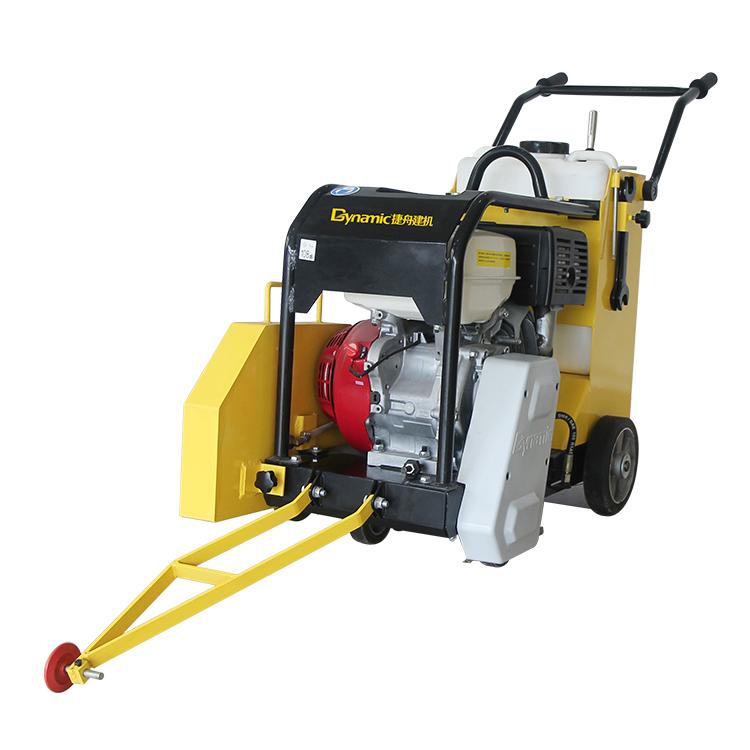
When you're up against materials that would send lesser blades running for cover, the difference between a finished job and a ruined workpiece is the cutting edge you trust. These aren't your run-of-the-mill disposable edges—they're engineered with a tooth geometry that chews through hardened alloys, dense hardwoods, or abrasive composites without stalling. The secret lies in the carbide formulation that resists heat buildup at high feed rates, keeping the edge sharp long after others have blunted. You'll feel it in the steady, vibration-free cut as the blade sinks into workpieces that would normally chatter and grab. It's the kind of reliability that saves you from swapping out tools mid-job, letting you maintain a rhythm even when the workload gets brutal.
What sets these apart is the painstaking attention to the grind. Each tooth receives a multi-faceted bevel that splits chips into manageable curls, preventing recutting and reducing the load on your machine. That means less strain on the motor and more of your horsepower going straight into the cut. The gullets are deep enough to clear debris in tight slots, so you're not fighting packed swarf when you should be making progress. Whether you're ripping through thick gauge sheet metal or dimensioning lumber that's full of knots and silica, the blade stays cool and refuses to wander. The result is a surface finish so clean that secondary operations become optional—and that's a game changer on jobsites where every minute counts.
Durability isn't just about the material; it's about how the whole package stands up to the real-world abuse of a busy shop. The body is laser-cut from high-alloy steel, tensioned to stay flat under the heat of friction, and then coated to resist gumming and corrosion. Expansion slots are precisely machined to absorb thermal expansion, so the blade stays true even when you're pushing it hard. Install one of these and you'll notice the difference immediately: fewer blade changes, quieter cuts, and the confidence to take on jobs that used to feel like a gamble. They're the kind of cutters that earn their keep fast, and once you've put one through its paces, you'll wonder why you ever settled for less.
Cutting Systems Built for Precision
Precision in cutting isn’t just a feature—it’s the foundation of every system we engineer. Our cutting solutions are designed to deliver flawless accuracy across a wide range of materials, from delicate fabrics to dense composites. By integrating advanced motion control and real-time feedback, each machine maintains tight tolerances even at high speeds, ensuring every cut is as exact as the first.
Behind that precision lies a combination of rigid construction and intelligent software. We build our systems with vibration-dampening structures and precision-ground components, minimizing deflection and wear over time. Paired with adaptive toolpath algorithms, the equipment automatically adjusts to material variations, eliminating guesswork and reducing scrap. The result is a cutting process that feels almost intuitive, consistently producing parts that require little to no post-processing.
What truly sets these systems apart is their focus on real-world performance. Instead of chasing theoretical specs, we refine every detail based on actual production environments. From ergonomic loading interfaces to quick-change tooling, every element is tuned to keep accuracy repeatable shift after shift. Whether you’re running short prototypes or full-scale production, you’ll notice that the system works with you, maintaining edge quality and dimensional stability without constant adjustments.
Power and Control in Every Pass
Every pass in the game becomes a statement of intent. The ball isn’t just moved—it’s commanded. A crisp, short pass doesn’t just connect players; it imposes a rhythm, forcing the opposition to chase shadows. Meanwhile, a raking long ball doesn’t merely switch play; it stretches the field and dictates the terms. Control doesn’t come from possession alone, but from the conviction behind each touch.
The real mastery surfaces in the quieter moments: a disguised pass that wrong-foots a marker, a one-touch layoff that accelerates an attack, or a weighted through-ball that turns a half-chance into a clear opening. These aren’t just technical actions—they’re psychological moves. They signal to everyone watching that the player isn’t reacting to the game; they’re rewriting it with every decision.
When passing is done with authority, it’s more than link-up play—it’s a form of leadership without words. The ball-carrier becomes a strategist, mapping possibilities and shutting down threats with flicks and feints. In those threads of connection, the entire shape of the match bends to one will, and even without a shot on goal, dominance radiates from the simplest exchange.
Intelligent Design for Flawless Results
Great outcomes don’t happen by accident—they’re the result of thoughtful, well-planned design that accounts for every variable. By embedding intelligence directly into the process, we remove guesswork and ensure each step aligns with the end goal. This isn’t about following a rigid formula; it’s about understanding the nuances that separate acceptable from exceptional.
Our approach starts with asking the right questions. What’s the core purpose? Who is it really for? How will actual people interact with what we’re building? These aren’t abstract exercises—they shape every decision, from initial concept to final polish. By testing assumptions early and often, we catch potential snags before they become problems, saving time and resources.
The result is work that feels almost intuitive, because it was crafted with the end user in mind from day one. No last-minute fixes, no awkward compromises. Just a clean, coherent outcome that performs exactly as intended—because the intelligence was built in, not bolted on after the fact.
Durable Tools for Professional Contractors
Every jobsite has its own way of testing your gear. Mud, rain, drops from scaffolding, and the constant vibration of daily use can turn a cheap tool into scrap in a matter of weeks. For contractors who depend on their tools to put food on the table, durability isn't a nice-to-have feature—it's the margin between finishing a project on time and explaining a delay to an already impatient client. The right tools feel solid in your hand not because someone added a rubber grip, but because every internal component was chosen to survive the unexpected.
We put our lineup through abuse that most job sites never reach. Gear teeth are cut from hardened alloys that resist chipping even when you accidentally hit a buried screw. Motor housings are sealed so they don't breathe in fine concrete dust, which is the killer of switches and circuits. It's not marketing fluff; it's what happens when your engineering team spends too much time chatting with framers and electricians about what actually fails. These tools don't just survive the daily grind—they keep their precision after years of it, so the grip you love on day one still feels right on day a thousand.
FAQ
Our tools are built with advanced engineering and premium materials, ensuring clean cuts and lasting durability even under heavy daily use. We focus on precision and ergonomics so operators can work comfortably and accurately.
They are designed for both. With the right blade selection, our cutters easily go through rebar and wire mesh. The high-torque motors maintain steady power without bogging down in tough conditions.
We provide a full lineup including hand-held saws, walk-behind floor saws, and heavy-duty wall sawing systems. Each machine is optimized for specific jobs, from small repairs to large-scale demolition.
Safety is integral to the design. Features like overload protection, low-vibration handles, and blade guards are standard. We also include dust management options to reduce airborne silica, keeping the work environment safer.
Yes, most models support both methods. Wet cutting minimizes dust and cools the blade, while dry cutting offers convenience and speed on sites where water isn’t practical. Quick-change blade systems make switching simple.
We back our equipment with responsive technical support, spare parts availability, and detailed operational guides. Training resources are available to help crews get the most out of their tools from day one.
Conclusion
A high-quality concrete cutter manufacturer doesn’t just produce tools—it engineers solutions that transform demanding job sites into showcases of precision. The art of clean concrete cuts is more than technique; it’s a fusion of razor-sharp blades and vibration-damped systems that leave edges so smooth they require no secondary finishing. These blades are forged to bite through the hardest jobs, from heavily reinforced foundations to ultra-high-strength concrete, maintaining their edge long after standard alternatives would dull. Every cutting system is built for precision from the ground up, integrating laser-guided alignment, adjustable depth controls, and rigid frames that eliminate deflection, ensuring that each pass meets the strictest tolerances.
Yet true mastery lies in the balance of power and control—motors that deliver relentless torque without sacrificing the finesse needed for delicate partial cuts or tight corners. Intelligent design elevates every model, with features like water management systems that reduce slurry and dust while preserving cut quality, and ergonomic handles that minimize operator fatigue during extended use. For professional contractors, these factors coalesce into durable tools that withstand daily abuse without compromising accuracy or reliability. The result is a lineup of concrete cutters that think ahead, adapting to the material, the environment, and the user’s rhythm, transforming raw power into flawless results that endure long after the saw is shut down.
Contact Us
Contact Person: Annie
Email: [email protected]
Tel/WhatsApp: 8613391442963
Website: https://www.dynamic-eq.com