

Elderly Mobility Wheelchair in China: Features and Buying Tips
2026-07-29
Navigating mobility challenges in later years shouldn't mean giving up independence. In China, the elderly increasingly turn to innovative solutions like the Freedomchair—a standout in the growing market of elderly mobility wheelchairs. But with so many options, how do you choose the right one without sacrificing comfort, safety, or style? This guide unpacks the must-know features of modern mobility chairs and shares practical buying tips to help you or your loved ones stay active, confident, and free.
How Chinese-Made Wheelchairs Cater to Elderly Needs Differently
Chinese manufacturers have honed in on the subtle daily challenges that Western designs often overlook. Instead of merely adding grab bars or widening seats, they integrate features like heated backrests to soothe arthritic spines and pressure-sensing cushions that remind caregivers to shift the user's weight—small strokes of comfort that transform a medical device into a companion. The focus isn't just on mobility, but on preserving dignity during moments of stillness, whether it's sipping tea or watching a favorite show.
Another quiet revolution lies in the rhythm of maintenance. Recognizing that elderly users in China often rely on family members with limited technical skill, these wheelchairs are built with modular components that snap apart without tools. A jammed caster can be swapped in seconds, and puncture-proof tires eliminate the anxiety of unexpected breakdowns during a stroll through the park. This reliability isn't advertised as a feature; it's woven into the ownership experience, keeping the focus on living rather than repairing.
What truly sets them apart is how they adapt to the intimate choreography of daily rituals. Seats are designed with a gentle forward tilt, making it easier to rise for a meal or lower onto a bed without straining fragile shoulders. Footrests pivot outward, reducing the twisting motion that so often leads to falls. Even the fabrics are chosen for their ability to breathe against the skin during humid summers, because comfort isn't a luxury—it's the baseline for a life well lived.
Must-Check Safety Features Before Buying a Wheelchair in China
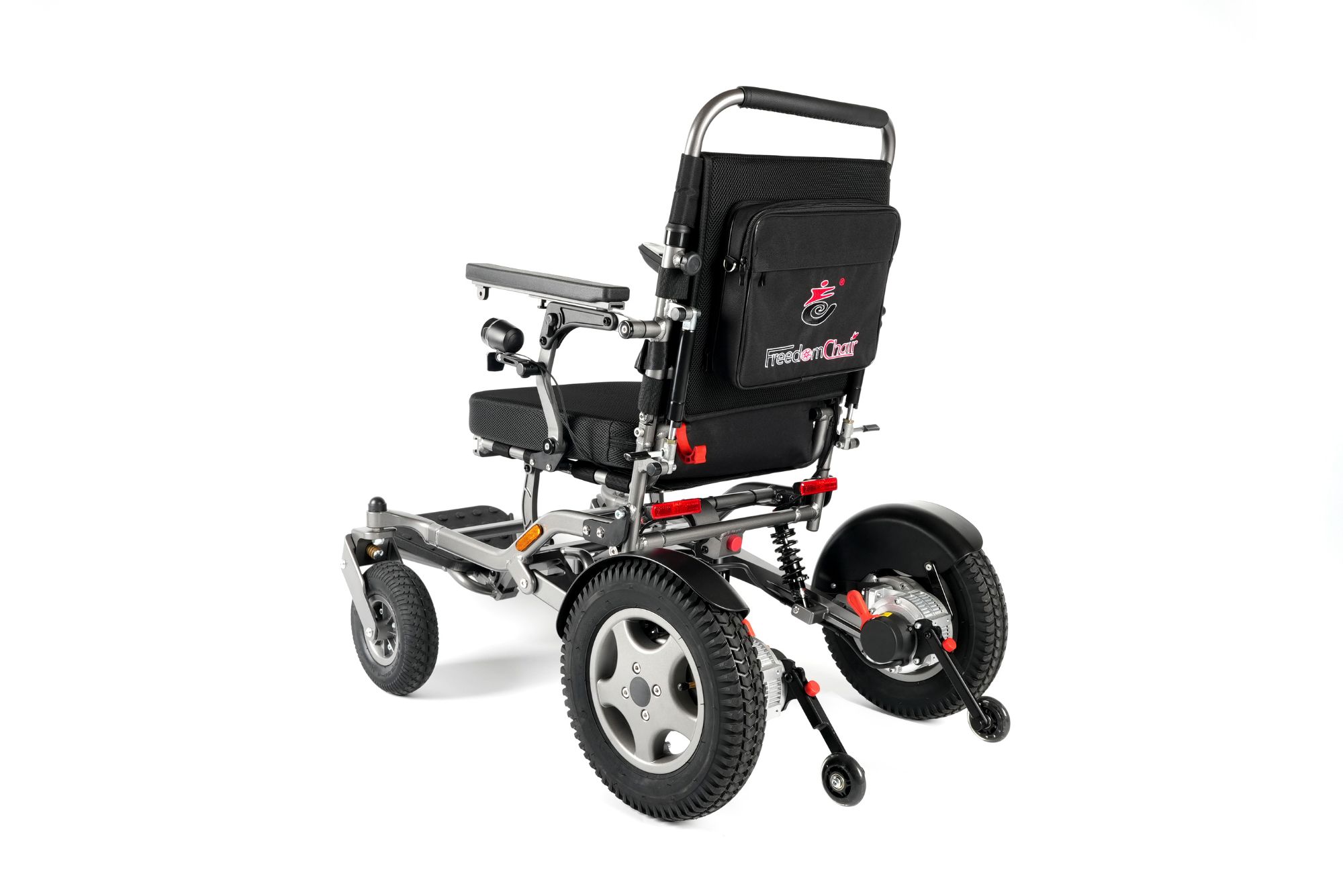
Prioritizing safety begins with the braking system. Look for wheelchairs equipped with reliable, easy-to-engage brakes that can lock both wheels firmly—even on sloped surfaces. Drum brakes or attendant-operated systems offer extra control, especially for caregivers. Test the brakes for responsiveness and ensure they can be applied without excessive force, as stiff mechanisms can lead to accidents. A parking brake that holds steady when engaged is non-negotiable, particularly if the user transfers in and out of the chair independently.
A stable, well-constructed frame prevents tipping and ensures durability. Check the chair’s center of gravity and wheelbase width; anti-tip bars or small rear wheels are vital for preventing backward falls. Reinforced cross-braces and a solid seat platform contribute to overall stability, while adjustable axle positions let you customize balance. Also inspect the footrests—they should lock securely and swing away easily without pinching. A wheelchair that wobbles or flexes under weight is a clear red flag.
Comfort-related safety features are equally important. Pressure-relieving cushions reduce the risk of sores, while contoured armrests and padded leg supports prevent friction injuries. Ensure all moving parts—like folding mechanisms and quick-release wheels—operate smoothly without jamming. Reflective strips or lights enhance visibility outdoors, and a safety belt or harness adds an extra layer of security for users with limited trunk control. Finally, always confirm that the wheelchair meets national quality standards and has undergone rigorous stability testing.
Comfort That Lasts: Cushioning and Ergonomic Designs
We started with a simple question: how do you make a seat that still feels good after hour four? The answer was in layering. A dense memory foam core absorbs weight without bottoming out, while a softer top layer removes sharp pressure points. The result is a balanced support that doesn't pack down over time.
The shape itself does a lot of the heavy lifting. A subtle contour along the back edge encourages a natural pelvic tilt, keeping your spine aligned without forcing anything. It's not an aggressive redesign—more like a quiet nudge toward better posture that you only notice when you stand up and realize you're not sore.
Even the cover plays a role. Woven from a high-friction technical fabric, it helps you stay in place without restrictively gripping. Paired with ventilation channels tucked beneath the cushion, it handles heat build-up that normally turns long sessions into a shifting contest. It's these small details that keep the initial comfort from fading into regret.
Foldability and Lightweight Frames: Navigating Tight Urban Spaces
City living often means squeezing through narrow hallways, cramming onto packed buses, or stashing your ride in a closet-sized apartment. That’s where a foldable, lightweight frame transforms from a nice-to-have into an everyday necessity. Instead of wrestling with a bulky bike on a crowded train platform, you simply collapse it in one fluid motion and carry it past turnstiles like a sleek briefcase. The magic lies in frames that weigh next to nothing yet hold up to pothole-riddled streets—materials like hydroformed aluminum or carbon fiber strike that elusive balance between feathery portability and robust ride quality.
But it’s not just about shaving grams. Smart geometry plays a huge role. A well-designed hinge mechanism shouldn’t add noticeable flex, and the fold sequence needs to feel intuitive, not like you’re deciphering an IKEA manual on the sidewalk. Some designs tuck the wheels neatly inside the package, letting you roll the folded bike along like a piece of luggage—a godsend when navigating underground passages or switching between transit modes. The real payoff is that you stop seeing your bike as a burden and start treating it as an extension of your body, gliding through doorways and elevators without missing a beat.
When every inch of space counts, a lightweight frame means you’re no longer leaving your bike chained outdoors, exposed to weather and theft. Tuck it under your desk at work, slide it into a gym locker, or prop it behind the couch. This kind of fluid mobility encourages more spontaneous trips—grabbing groceries without hunting for parking, meeting friends across town without worrying about limited rack space. Ultimately, the right foldable frame doesn’t just solve a storage problem; it reshapes how you interact with the city itself, turning congested environments into a playground of shortcuts and possibilities.
Smart Features Making Today’s Wheelchairs More Independent
Modern wheelchairs now pack a surprising amount of intelligence beneath their frames. Lidar sensors and cameras work together to scan the immediate environment, spotting curbs, uneven ground, and moving obstacles well before the user has to react. The onboard system quietly adjusts speed and steering, often making micro‑corrections that keep the chair gliding safely through doorways and around unexpected clutter. For someone navigating a busy sidewalk or a cluttered living room, this kind of passive assistance means less mental effort and more genuine independence.
Beyond basic navigation, other smart touches are quietly reshaping what a chair can do. Power‑assist wheels learn the user’s pushing style over time, adding just enough force on inclines to prevent strain without taking over completely. Meanwhile, seat‑level sensors track posture and pressure points, alerting the user to shift weight before any discomfort sets in. Some models even link to a phone app that logs daily activity, battery levels, and maintenance needs—giving wheelchair users the same kind of digital feedback loop that wearable devices offer, but tailored specifically to their mobility needs.
Warranty and After-Sales Service: What to Look For
A solid warranty is more than just a piece of paper—it tells you how much a company trusts its own product. Look for coverage that goes beyond the bare minimum. A two-year warranty might seem generous, but what does it actually include? Some brands only cover manufacturing defects while leaving you stranded with wear-and-tear issues. Check if parts, labor, and shipping are all covered, and watch out for sneaky exceptions buried in the fine print.
After‑sales support can make or break your experience. Can you reach a real person when something goes wrong, or are you stuck with a chatbot that loops you around? The best services offer multiple contact channels—phone, email, live chat—and have knowledgeable staff who won’t read from a script. Pay attention to turnaround times, too. A promise to repair within days means little if those days stretch into weeks. Quick, transparent communication is often the real difference between a headache and a hassle‑free fix.
Don’t underestimate the value of local repair networks or authorized service centers. If you have to ship your item halfway across the country for a simple fix, that warranty loses its shine fast. Check whether the brand partners with nearby technicians or offers on‑site service for larger products. Also, look for hints of a company’s long‑term commitment: do they readily supply spare parts for older models? Brands that stand by their products years after purchase tend to design them with longevity in mind.
FAQ
These models focus on effortless outdoor travel, blending powered assistance with a stable four-wheel frame. Many come with adjustable speed settings, comfortable padded seats, and anti-tip designs that regular wheelchairs simply don't offer. The real difference is the integration of user-friendly controls and long-range batteries, letting seniors enjoy park visits or market trips without tiring themselves out.
They're meant for older adults with limited walking stamina or mild balance issues—not necessarily for full-time wheelchair users. Think of someone who can stand and take a few steps but gets tired quickly. These devices give them the freedom to cover longer distances outdoors, whether it's going to a community center, visiting friends, or just getting fresh air.
Comfort details matter a lot. A seat that's wide enough with breathable fabric, armrests that lift up for easy transfers, and a tiller that adjusts to different arm lengths can change the whole experience. Safety extras like electromagnetic brakes that engage when hands are off the controls and LED lighting for evening visibility are non-negotiable. Some even have shock-absorbing suspensions for bumpy sidewalks.
Lithium batteries have become the go-to choice because they're lightweight and charge faster, fitting easily into apartment living. A good lithium pack can cover 15–25 kilometers on a single charge, which covers most errands. If someone needs a longer range without frequent charging, look for models with dual battery slots or higher capacity—just remember that heavier lead-acid batteries are still found in budget options but are harder to manage indoors.
Generally, yes. They're designed to be compact and have a small turning radius, so maneuvering in elevators and store aisles is straightforward. Most cities permit them on sidewalks and pedestrian areas. For buses and subways, it's wise to check local regulations, but many drivers and staff are accommodating when they see it's an aid for an elderly person. Foldable models make it even easier to fit into car trunks.
It's surprisingly low-key. Checking tire pressure regularly avoids uneven wear and ensures a smooth ride. Wiping down the frame and seat prevents moisture damage, especially in humid weather. Every few months, inspecting the brake responsiveness and tightening any loose bolts can prevent small issues from becoming big problems. The battery should be charged after each use but not kept plugged in indefinitely to preserve its lifespan.
Physical trial is invaluable. If possible, let the elderly user sit in it, test the controls, and see how it handles different surfaces. Pay attention to how easy it is to get in and out—some models have swiveling seats that help. Check product reviews for real-world feedback on battery performance and comfort after prolonged sitting. Steer clear of overly cheap options with vague specifications; a reputable brand usually provides clear warranty terms and local service support.
Conclusion
In China, elderly mobility solutions have evolved beyond simple transportation aids—they now integrate thoughtful design that reflects the realities of urban living and aging bodies. Chinese manufacturers often tailor wheelchairs with wider seats and higher weight capacities, understanding that comfort is non-negotiable for daily use. Safety is equally prioritized: many models now include anti-tip wheels, automatic braking on slopes, and reflective strips for low-light visibility. The focus on cushioning has moved past basic padding; memory foam seats, breathable mesh backrests, and adjustable lumbar support help prevent pressure sores during long hours of sitting. These features aren't luxury add-ons but standard offerings, developed through direct feedback from older users and caregivers who demand reliability.
In crowded apartment compounds and narrow alleyways, a wheelchair's foldability and weight make all the difference. Modern frames are built from aircraft-grade aluminum or carbon fiber, cutting weight without sacrificing strength, so lifting them into car trunks or up a few stairs feels manageable. Smart technology is also reshaping independence: joystick-controlled power wheelchairs with obstacle detection, Bluetooth connectivity for caregiver alerts, and even solar-charging capabilities are entering the market at competitive prices. But beyond the gadgetry, a longer-term view matters: buyers should verify that the warranty covers frame integrity and battery life for at least two years, and that service centers are within reach. Local brands often offer better after-sales support than imported ones, with on-site repairs being a genuine advantage for families who can’t afford days without mobility assistance.
Contact Us
Contact Person: Calvin Fan
Email: [email protected]
Tel/WhatsApp: 8618913265607
Website: www.freedom-chair.com