

DTH Drill Bit Supplier: Explore Top Providers and Advanced Drilling Solutions for Enhanced Efficiency
2025-12-20
In the dynamic world of drilling operations, efficiency isn't just a goal—it's the cornerstone of success. From selecting the right DTH drill bit to partnering with top suppliers, every choice impacts performance and productivity. At PULANKA, we've spent years perfecting cutting-edge drilling solutions that not only meet but exceed industry standards. Our expertise in providing high-quality bits and advanced technologies ensures you stay ahead in demanding environments. In this blog, we'll dive into the key factors for sourcing DTH drill bits, explore leading suppliers, and uncover how innovative approaches can transform your drilling processes. Get ready to discover insights that could revolutionize your next project. PULANKA is here to guide you every step of the way—let's explore together how to achieve enhanced efficiency and results.
Identifying Your DTH Drill Bit Needs: Core Solutions for Efficient Drilling
Choosing the right DTH drill bit might seem like a minor detail, but it’s a game-changer for projects big and small. Whether you’re tackling a foundation for a new building or breaking through tough rock in mining operations, having a bit that perfectly matches your conditions—like rock hardness, depth requirements, and site environment—can slash downtime and cuts costs significantly. We’ll walk through the key considerations to pinpoint your exact drill bit needs, ensuring you’re not just drilling, but drilling smarter from the start.
DTH drill bits aren’t a one-size-fits-all solution; they come in diverse designs tailored for different challenges. For example, if you’re dealing with extremely hard or abrasive rock, a high-strength alloy bit with robust wear patterns might be your best bet, while softer formations often call for bits with optimized flushing to clear debris quickly. By focusing on factors like bit diameter, hammer compatibility, and cutting structure, you can avoid common pitfalls like premature wear or drilling inefficiency, turning each project into a showcase of precision and productivity.
Beyond just the technical specs, real efficiency in drilling stems from a bit that aligns with your overall equipment and operational goals. Think about how the bit interacts with your DTH hammer and rig setup—mismatches here can lead to frustrating delays or even equipment damage. By identifying your specific needs upfront, whether it’s faster penetration rates, longer service life, or reduced energy consumption, you’re not just buying a tool; you’re investing in a seamless process that keeps your operations running smoothly and profitably.
Top Global Suppliers of DTH Drill Bits: Reliability and Innovation in Focus
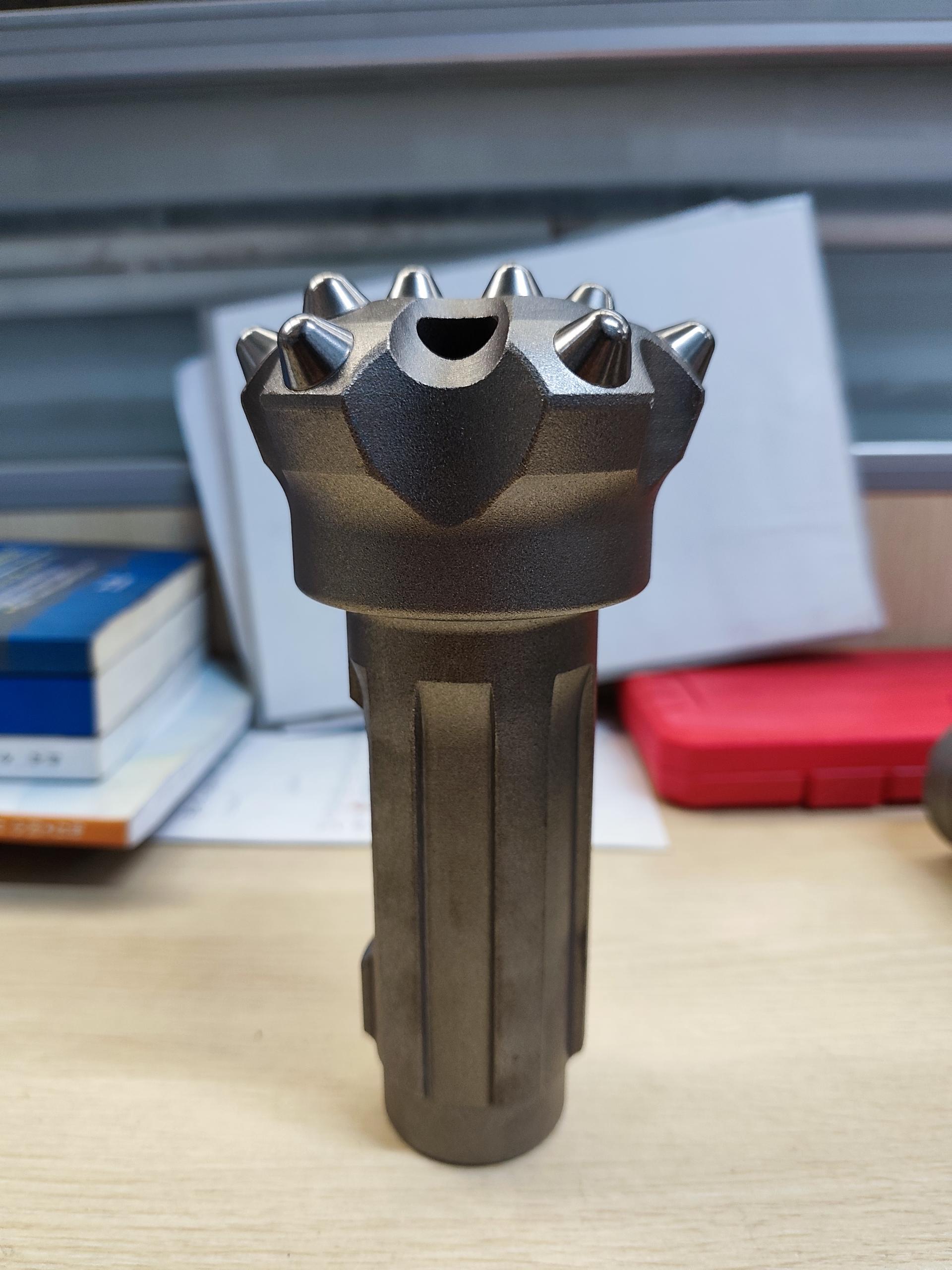
Choosing the right DTH drill bit might seem like a minor detail, but it’s a game-changer for projects big and small. Whether you’re tackling a foundation for a new building or breaking through tough rock in mining operations, having a bit that perfectly matches your conditions—like rock hardness, depth requirements, and site environment—can slash downtime and cuts costs significantly. We’ll walk through the key considerations to pinpoint your exact drill bit needs, ensuring you’re not just drilling, but drilling smarter from the start.
DTH drill bits aren’t a one-size-fits-all solution; they come in diverse designs tailored for different challenges. For example, if you’re dealing with extremely hard or abrasive rock, a high-strength alloy bit with robust wear patterns might be your best bet, while softer formations often call for bits with optimized flushing to clear debris quickly. By focusing on factors like bit diameter, hammer compatibility, and cutting structure, you can avoid common pitfalls like premature wear or drilling inefficiency, turning each project into a showcase of precision and productivity.
Beyond just the technical specs, real efficiency in drilling stems from a bit that aligns with your overall equipment and operational goals. Think about how the bit interacts with your DTH hammer and rig setup—mismatches here can lead to frustrating delays or even equipment damage. By identifying your specific needs upfront, whether it’s faster penetration rates, longer service life, or reduced energy consumption, you’re not just buying a tool; you’re investing in a seamless process that keeps your operations running smoothly and profitably.
When it comes to DTH drill bits, reliability is the cornerstone of success, and top global suppliers are setting the standard with robust designs that withstand the harshest drilling environments. These suppliers, from the United States to Sweden and beyond, leverage decades of experience to produce bits that minimize downtime and maximize efficiency, ensuring consistent performance even in challenging rock formations.
Innovation is at the heart of their offerings, with advancements such as enhanced carbide insert technology and optimized fluid dynamics pushing the boundaries of drilling speed and precision. By integrating smart materials and data-driven design, these companies are not just selling tools but providing solutions that adapt to real-time underground conditions, offering a significant edge in competitive mining and construction projects.
What sets these leading suppliers apart is their commitment to sustainability and customization, tailoring products to specific geological needs while reducing environmental impact through longer-lasting bits and eco-friendly manufacturing processes. This focus on both reliability and innovation ensures they remain at the forefront of the industry, driving progress and trust among clients worldwide.
Advanced Drilling Technologies: Enhancing Performance with Cutting-Edge Solutions
Choosing the right DTH drill bit might seem like a minor detail, but it’s a game-changer for projects big and small. Whether you’re tackling a foundation for a new building or breaking through tough rock in mining operations, having a bit that perfectly matches your conditions—like rock hardness, depth requirements, and site environment—can slash downtime and cuts costs significantly. We’ll walk through the key considerations to pinpoint your exact drill bit needs, ensuring you’re not just drilling, but drilling smarter from the start.
DTH drill bits aren’t a one-size-fits-all solution; they come in diverse designs tailored for different challenges. For example, if you’re dealing with extremely hard or abrasive rock, a high-strength alloy bit with robust wear patterns might be your best bet, while softer formations often call for bits with optimized flushing to clear debris quickly. By focusing on factors like bit diameter, hammer compatibility, and cutting structure, you can avoid common pitfalls like premature wear or drilling inefficiency, turning each project into a showcase of precision and productivity.
Beyond just the technical specs, real efficiency in drilling stems from a bit that aligns with your overall equipment and operational goals. Think about how the bit interacts with your DTH hammer and rig setup—mismatches here can lead to frustrating delays or even equipment damage. By identifying your specific needs upfront, whether it’s faster penetration rates, longer service life, or reduced energy consumption, you’re not just buying a tool; you’re investing in a seamless process that keeps your operations running smoothly and profitably.
When it comes to DTH drill bits, reliability is the cornerstone of success, and top global suppliers are setting the standard with robust designs that withstand the harshest drilling environments. These suppliers, from the United States to Sweden and beyond, leverage decades of experience to produce bits that minimize downtime and maximize efficiency, ensuring consistent performance even in challenging rock formations.
Innovation is at the heart of their offerings, with advancements such as enhanced carbide insert technology and optimized fluid dynamics pushing the boundaries of drilling speed and precision. By integrating smart materials and data-driven design, these companies are not just selling tools but providing solutions that adapt to real-time underground conditions, offering a significant edge in competitive mining and construction projects.
What sets these leading suppliers apart is their commitment to sustainability and customization, tailoring products to specific geological needs while reducing environmental impact through longer-lasting bits and eco-friendly manufacturing processes. This focus on both reliability and innovation ensures they remain at the forefront of the industry, driving progress and trust among clients worldwide.
Advanced drilling technologies are continuously reshaping the oil and gas industry by leveraging innovations like automated systems and real-time data analytics to improve precision and safety in operations. These solutions enable more efficient resource extraction while minimizing environmental impacts and operational risks.
By integrating smart sensors and digital tools, such as AI-driven models and remote monitoring platforms, these technologies reduce downtime and enhance decision-making. They allow operators to adapt quickly to geological complexities, boosting overall performance and cost-effectiveness in challenging environments.
Ultimately, these cutting-edge advancements foster greater sustainability and competitiveness, helping companies meet rising energy demands with higher efficiency and reduced ecological footprints.
Cost-Effective Strategies for DTH Bit Procurement and Maintenance
Choosing the right DTH drill bit might seem like a minor detail, but it’s a game-changer for projects big and small. Whether you’re tackling a foundation for a new building or breaking through tough rock in mining operations, having a bit that perfectly matches your conditions—like rock hardness, depth requirements, and site environment—can slash downtime and cuts costs significantly. We’ll walk through the key considerations to pinpoint your exact drill bit needs, ensuring you’re not just drilling, but drilling smarter from the start.
DTH drill bits aren’t a one-size-fits-all solution; they come in diverse designs tailored for different challenges. For example, if you’re dealing with extremely hard or abrasive rock, a high-strength alloy bit with robust wear patterns might be your best bet, while softer formations often call for bits with optimized flushing to clear debris quickly. By focusing on factors like bit diameter, hammer compatibility, and cutting structure, you can avoid common pitfalls like premature wear or drilling inefficiency, turning each project into a showcase of precision and productivity.
Beyond just the technical specs, real efficiency in drilling stems from a bit that aligns with your overall equipment and operational goals. Think about how the bit interacts with your DTH hammer and rig setup—mismatches here can lead to frustrating delays or even equipment damage. By identifying your specific needs upfront, whether it’s faster penetration rates, longer service life, or reduced energy consumption, you’re not just buying a tool; you’re investing in a seamless process that keeps your operations running smoothly and profitably.
When it comes to DTH drill bits, reliability is the cornerstone of success, and top global suppliers are setting the standard with robust designs that withstand the harshest drilling environments. These suppliers, from the United States to Sweden and beyond, leverage decades of experience to produce bits that minimize downtime and maximize efficiency, ensuring consistent performance even in challenging rock formations.
Innovation is at the heart of their offerings, with advancements such as enhanced carbide insert technology and optimized fluid dynamics pushing the boundaries of drilling speed and precision. By integrating smart materials and data-driven design, these companies are not just selling tools but providing solutions that adapt to real-time underground conditions, offering a significant edge in competitive mining and construction projects.
What sets these leading suppliers apart is their commitment to sustainability and customization, tailoring products to specific geological needs while reducing environmental impact through longer-lasting bits and eco-friendly manufacturing processes. This focus on both reliability and innovation ensures they remain at the forefront of the industry, driving progress and trust among clients worldwide.
Advanced drilling technologies are continuously reshaping the oil and gas industry by leveraging innovations like automated systems and real-time data analytics to improve precision and safety in operations. These solutions enable more efficient resource extraction while minimizing environmental impacts and operational risks.
By integrating smart sensors and digital tools, such as AI-driven models and remote monitoring platforms, these technologies reduce downtime and enhance decision-making. They allow operators to adapt quickly to geological complexities, boosting overall performance and cost-effectiveness in challenging environments.
Ultimately, these cutting-edge advancements foster greater sustainability and competitiveness, helping companies meet rising energy demands with higher efficiency and reduced ecological footprints.
When it comes to DTH bits, many companies overlook the long-term savings that smart procurement can bring. Instead of just picking the cheapest option upfront, consider forming partnerships with suppliers who offer volume discounts or flexible payment terms. This not only cuts initial costs but also ensures a steady supply, reducing downtime. Another often-missed trick is to analyze historical usage data to predict demand accurately, avoiding overstocking that ties up capital unnecessarily.
Maintenance-wise, investing in regular inspections and proper cleaning protocols can dramatically extend bit life. For instance, implementing a simple logging system to track each bit's usage and wear helps schedule timely sharpening or replacement before failures occur. It's surprising how many operations skip this step, leading to costly emergency replacements and project delays. Training your team on best practices for handling and storing bits, like avoiding moisture exposure, can prevent premature wear and tear too.
To stand out from the crowd, explore innovative strategies like leasing or renting bits for short-term projects, which can slash overhead without compromising quality. Also, consider collaborating with other firms to bulk-buy or share maintenance resources, fostering a community-driven approach that cuts costs across the board. By blending these tactics, you'll not only save money but also boost efficiency in ways that set your operation apart from competitors who stick to traditional methods.
Tailored Drilling Solutions: Custom Bits for Specific Geological Challenges
Choosing the right DTH drill bit might seem like a minor detail, but it’s a game-changer for projects big and small. Whether you’re tackling a foundation for a new building or breaking through tough rock in mining operations, having a bit that perfectly matches your conditions—like rock hardness, depth requirements, and site environment—can slash downtime and cuts costs significantly. We’ll walk through the key considerations to pinpoint your exact drill bit needs, ensuring you’re not just drilling, but drilling smarter from the start.
DTH drill bits aren’t a one-size-fits-all solution; they come in diverse designs tailored for different challenges. For example, if you’re dealing with extremely hard or abrasive rock, a high-strength alloy bit with robust wear patterns might be your best bet, while softer formations often call for bits with optimized flushing to clear debris quickly. By focusing on factors like bit diameter, hammer compatibility, and cutting structure, you can avoid common pitfalls like premature wear or drilling inefficiency, turning each project into a showcase of precision and productivity.
Beyond just the technical specs, real efficiency in drilling stems from a bit that aligns with your overall equipment and operational goals. Think about how the bit interacts with your DTH hammer and rig setup—mismatches here can lead to frustrating delays or even equipment damage. By identifying your specific needs upfront, whether it’s faster penetration rates, longer service life, or reduced energy consumption, you’re not just buying a tool; you’re investing in a seamless process that keeps your operations running smoothly and profitably.
When it comes to DTH drill bits, reliability is the cornerstone of success, and top global suppliers are setting the standard with robust designs that withstand the harshest drilling environments. These suppliers, from the United States to Sweden and beyond, leverage decades of experience to produce bits that minimize downtime and maximize efficiency, ensuring consistent performance even in challenging rock formations.
Innovation is at the heart of their offerings, with advancements such as enhanced carbide insert technology and optimized fluid dynamics pushing the boundaries of drilling speed and precision. By integrating smart materials and data-driven design, these companies are not just selling tools but providing solutions that adapt to real-time underground conditions, offering a significant edge in competitive mining and construction projects.
What sets these leading suppliers apart is their commitment to sustainability and customization, tailoring products to specific geological needs while reducing environmental impact through longer-lasting bits and eco-friendly manufacturing processes. This focus on both reliability and innovation ensures they remain at the forefront of the industry, driving progress and trust among clients worldwide.
Advanced drilling technologies are continuously reshaping the oil and gas industry by leveraging innovations like automated systems and real-time data analytics to improve precision and safety in operations. These solutions enable more efficient resource extraction while minimizing environmental impacts and operational risks.
By integrating smart sensors and digital tools, such as AI-driven models and remote monitoring platforms, these technologies reduce downtime and enhance decision-making. They allow operators to adapt quickly to geological complexities, boosting overall performance and cost-effectiveness in challenging environments.
Ultimately, these cutting-edge advancements foster greater sustainability and competitiveness, helping companies meet rising energy demands with higher efficiency and reduced ecological footprints.
When it comes to DTH bits, many companies overlook the long-term savings that smart procurement can bring. Instead of just picking the cheapest option upfront, consider forming partnerships with suppliers who offer volume discounts or flexible payment terms. This not only cuts initial costs but also ensures a steady supply, reducing downtime. Another often-missed trick is to analyze historical usage data to predict demand accurately, avoiding overstocking that ties up capital unnecessarily.
Maintenance-wise, investing in regular inspections and proper cleaning protocols can dramatically extend bit life. For instance, implementing a simple logging system to track each bit's usage and wear helps schedule timely sharpening or replacement before failures occur. It's surprising how many operations skip this step, leading to costly emergency replacements and project delays. Training your team on best practices for handling and storing bits, like avoiding moisture exposure, can prevent premature wear and tear too.
To stand out from the crowd, explore innovative strategies like leasing or renting bits for short-term projects, which can slash overhead without compromising quality. Also, consider collaborating with other firms to bulk-buy or share maintenance resources, fostering a community-driven approach that cuts costs across the board. By blending these tactics, you'll not only save money but also boost efficiency in ways that set your operation apart from competitors who stick to traditional methods.
When drilling through diverse geological formations, one-size-fits-all bits often fall short, leading to inefficiencies and increased costs. That's where tailored drilling solutions come into play, emphasizing custom bits designed to tackle specific challenges like hard rock, abrasive layers, or unstable soft formations. By analyzing site-specific data and geological surveys, engineers can select or design bits with optimized cutting structures, materials, and hydraulics, ensuring smoother penetration, reduced wear, and enhanced overall performance on the job.
For instance, in areas with high-pressure, high-temperature conditions, custom bits might incorporate advanced diamond-enhanced cutters and specialized seals to maintain integrity and durability. These tailored solutions not only improve drilling speed and bit life but also minimize environmental disruption and operational downtime, making them a cornerstone of modern, cost-effective exploration and extraction projects in challenging terrains.
Moreover, the adaptability of these custom bits extends to real-time adjustments based on drilling feedback, allowing operators to fine-tune parameters on the fly. This dynamic approach, coupled with ongoing innovations in materials science and digital monitoring, ensures that tailored drilling solutions remain at the forefront of overcoming geological hurdles, ultimately driving better outcomes in industries from oil and gas to geothermal energy.
Future Trends in DTH Drilling: Sustainability and Automation Insights
Choosing the right DTH drill bit might seem like a minor detail, but it’s a game-changer for projects big and small. Whether you’re tackling a foundation for a new building or breaking through tough rock in mining operations, having a bit that perfectly matches your conditions—like rock hardness, depth requirements, and site environment—can slash downtime and cuts costs significantly. We’ll walk through the key considerations to pinpoint your exact drill bit needs, ensuring you’re not just drilling, but drilling smarter from the start.
DTH drill bits aren’t a one-size-fits-all solution; they come in diverse designs tailored for different challenges. For example, if you’re dealing with extremely hard or abrasive rock, a high-strength alloy bit with robust wear patterns might be your best bet, while softer formations often call for bits with optimized flushing to clear debris quickly. By focusing on factors like bit diameter, hammer compatibility, and cutting structure, you can avoid common pitfalls like premature wear or drilling inefficiency, turning each project into a showcase of precision and productivity.
Beyond just the technical specs, real efficiency in drilling stems from a bit that aligns with your overall equipment and operational goals. Think about how the bit interacts with your DTH hammer and rig setup—mismatches here can lead to frustrating delays or even equipment damage. By identifying your specific needs upfront, whether it’s faster penetration rates, longer service life, or reduced energy consumption, you’re not just buying a tool; you’re investing in a seamless process that keeps your operations running smoothly and profitably.
When it comes to DTH drill bits, reliability is the cornerstone of success, and top global suppliers are setting the standard with robust designs that withstand the harshest drilling environments. These suppliers, from the United States to Sweden and beyond, leverage decades of experience to produce bits that minimize downtime and maximize efficiency, ensuring consistent performance even in challenging rock formations.
Innovation is at the heart of their offerings, with advancements such as enhanced carbide insert technology and optimized fluid dynamics pushing the boundaries of drilling speed and precision. By integrating smart materials and data-driven design, these companies are not just selling tools but providing solutions that adapt to real-time underground conditions, offering a significant edge in competitive mining and construction projects.
What sets these leading suppliers apart is their commitment to sustainability and customization, tailoring products to specific geological needs while reducing environmental impact through longer-lasting bits and eco-friendly manufacturing processes. This focus on both reliability and innovation ensures they remain at the forefront of the industry, driving progress and trust among clients worldwide.
Advanced drilling technologies are continuously reshaping the oil and gas industry by leveraging innovations like automated systems and real-time data analytics to improve precision and safety in operations. These solutions enable more efficient resource extraction while minimizing environmental impacts and operational risks.
By integrating smart sensors and digital tools, such as AI-driven models and remote monitoring platforms, these technologies reduce downtime and enhance decision-making. They allow operators to adapt quickly to geological complexities, boosting overall performance and cost-effectiveness in challenging environments.
Ultimately, these cutting-edge advancements foster greater sustainability and competitiveness, helping companies meet rising energy demands with higher efficiency and reduced ecological footprints.
When it comes to DTH bits, many companies overlook the long-term savings that smart procurement can bring. Instead of just picking the cheapest option upfront, consider forming partnerships with suppliers who offer volume discounts or flexible payment terms. This not only cuts initial costs but also ensures a steady supply, reducing downtime. Another often-missed trick is to analyze historical usage data to predict demand accurately, avoiding overstocking that ties up capital unnecessarily.
Maintenance-wise, investing in regular inspections and proper cleaning protocols can dramatically extend bit life. For instance, implementing a simple logging system to track each bit's usage and wear helps schedule timely sharpening or replacement before failures occur. It's surprising how many operations skip this step, leading to costly emergency replacements and project delays. Training your team on best practices for handling and storing bits, like avoiding moisture exposure, can prevent premature wear and tear too.
To stand out from the crowd, explore innovative strategies like leasing or renting bits for short-term projects, which can slash overhead without compromising quality. Also, consider collaborating with other firms to bulk-buy or share maintenance resources, fostering a community-driven approach that cuts costs across the board. By blending these tactics, you'll not only save money but also boost efficiency in ways that set your operation apart from competitors who stick to traditional methods.
When drilling through diverse geological formations, one-size-fits-all bits often fall short, leading to inefficiencies and increased costs. That's where tailored drilling solutions come into play, emphasizing custom bits designed to tackle specific challenges like hard rock, abrasive layers, or unstable soft formations. By analyzing site-specific data and geological surveys, engineers can select or design bits with optimized cutting structures, materials, and hydraulics, ensuring smoother penetration, reduced wear, and enhanced overall performance on the job.
For instance, in areas with high-pressure, high-temperature conditions, custom bits might incorporate advanced diamond-enhanced cutters and specialized seals to maintain integrity and durability. These tailored solutions not only improve drilling speed and bit life but also minimize environmental disruption and operational downtime, making them a cornerstone of modern, cost-effective exploration and extraction projects in challenging terrains.
Moreover, the adaptability of these custom bits extends to real-time adjustments based on drilling feedback, allowing operators to fine-tune parameters on the fly. This dynamic approach, coupled with ongoing innovations in materials science and digital monitoring, ensures that tailored drilling solutions remain at the forefront of overcoming geological hurdles, ultimately driving better outcomes in industries from oil and gas to geothermal energy.
The drilling industry is rapidly shifting towards more sustainable practices, with DTH (Down-The-Hole) drilling at the forefront of this evolution. Unlike traditional methods that often rely on heavy fuel consumption and generate significant emissions, modern DTH technologies are incorporating eco-friendly innovations. For instance, companies are adopting electric or hybrid-powered rigs that drastically reduce carbon footprints, and water recycling systems are minimizing environmental impact. This isn't just a trend; it's becoming a core part of operational strategies, driven by both regulatory pressures and a genuine commitment to preserving ecosystems.
Automation is reshaping DTH drilling by enhancing precision and efficiency in ways manual operations couldn't achieve. Advanced sensors and real-time monitoring systems now allow for automated adjustments during drilling, optimizing parameters like pressure and speed to prevent accidents and improve accuracy. This reduces human error and downtime, leading to faster project completion and lower costs. As these systems become more integrated with AI, they're not only boosting productivity but also enabling safer work environments by minimizing exposure to hazardous conditions.
What truly sets this trend apart is the synergy between sustainability and automation. Automated systems can be programmed to operate in eco-efficient modes, such as reducing energy use during idle periods or optimizing drill paths to lessen ground disturbance. This dual focus positions DTH drilling as a leader in both technological advancement and responsible resource extraction, appealing to industries and stakeholders prioritizing long-term viability over short-term gains.
FAQ
Look for suppliers with proven reliability, innovative technology like advanced carbide inserts or optimized flushing systems, and those offering comprehensive technical support and custom solutions tailored to specific drilling conditions.
They achieve this through designs that maximize penetration rates—such as optimized bit profiles for reduced wear—and by providing real-time performance monitoring tools or training to minimize downtime and energy consumption.
Trends include bits with smart sensors for data collection on wear and performance, eco-friendly materials to reduce environmental impact, and hybrid designs that adapt to varying rock formations without frequent bit changes.
Yes, reputable suppliers often offer customization options like adjusting the number and placement of buttons or using specialized alloys to handle extreme hardness, abrasiveness, or wet conditions in specific projects.
It's crucial: strong support includes timely delivery of spare parts, on-site troubleshooting assistance, and maintenance guidance, which directly impacts project continuity and reduces long-term operational costs.
Innovations like longer-lasting materials reduce waste and replacement frequency, while efficient designs lower fuel consumption and emissions, aligning with green initiatives in the drilling industry.
Conclusion
In the competitive landscape of DTH drilling, selecting the right supplier is crucial for achieving enhanced efficiency, and top providers distinguish themselves by offering not just high-quality bits but comprehensive, innovative solutions tailored to diverse operational needs. By first identifying specific drilling requirements—whether for speed, durability, or adaptability to challenging geological conditions—companies can partner with leading global suppliers who prioritize reliability and cutting-edge technologies. These suppliers integrate advanced drilling technologies, such as optimized bit designs and robust materials, to boost performance, reduce downtime, and maximize productivity on-site, making them indispensable partners in cost-effective procurement and maintenance strategies.
Beyond immediate gains, forward-thinking DTH drill bit suppliers are paving the way for the future with sustainable and automated solutions. They offer customized bits that address unique geological challenges, ensuring precision and efficiency in varied environments. As the industry evolves, trends toward sustainability and automation are becoming key drivers, with top providers leading in eco-friendly practices and smart, automated systems that enhance safety and reduce environmental impact. These strategies not only optimize costs over the long term but also position companies to thrive in an increasingly competitive and dynamic drilling sector, solidifying the role of innovative suppliers in achieving enhanced efficiency and operational excellence.
Contact Us
Contact Person: Elma
Email: [email protected]
Tel/WhatsApp: +86 13738628777
Website: https://www.pulankagroup.com/