
Double Shaft Shredder Fabrication: Expert Guide to Efficient and Durable Design
2026-04-16
In the world of industrial waste management, efficiency and durability are not just desirable—they are essential. For professionals seeking to optimize their operations, the design of double shaft shredders represents a critical frontier. These robust machines, capable of processing everything from plastics to bulky materials, demand thoughtful engineering to ensure peak performance and longevity. At the heart of this innovation stands Shengzhong Shredder, a leader in crafting solutions that redefine reliability in shredding technology. In this guide, we delve into the expert insights behind creating double shaft shredders that not only meet but exceed industry standards. Whether you're a seasoned engineer or exploring new possibilities, join us as we uncover the secrets to building machines that withstand the toughest challenges and deliver unparalleled value. Let's embark on this journey to transform your waste management strategy with precision and power.
Harnessing Durability: Key Components for Long-Lasting Double Shaft Shredders
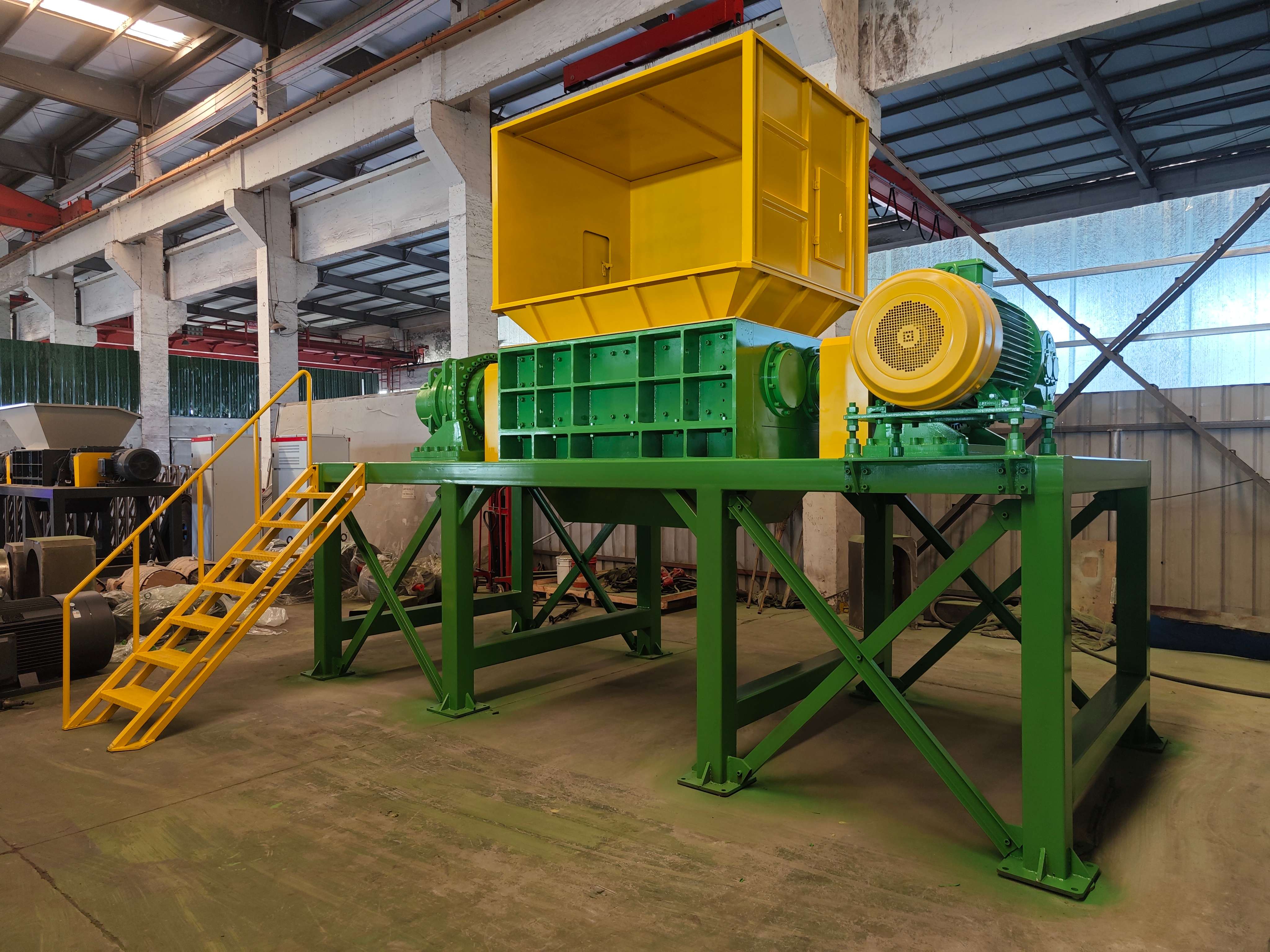
Double shaft shredders are engineered for demanding industrial applications, where their ability to process tough materials reliably over extended periods is critical. To achieve this durability, several core components must be carefully designed and constructed. For instance, the shafts themselves are often crafted from high-grade alloy steel, heat-treated to resist wear and deformation under constant stress. Meanwhile, the cutting discs or blades mounted on these shafts incorporate hardened edges or carbide tips, which maintain sharpness even when shredding abrasive items like metals, plastics, or electronic waste. By focusing on robust materials and precise engineering in these areas, manufacturers ensure the shredder can withstand heavy use without frequent breakdowns.
Beyond the shafts and blades, the gearbox and drive system play pivotal roles in enhancing longevity. A well-built gearbox, often featuring helical gears for smoother operation, distributes torque evenly between the two shafts, reducing strain on individual parts and preventing overheating. Coupled with high-torque motors and variable frequency drives, this setup allows for adjustable speeds that match the material being processed, minimizing jams and excessive wear. Additionally, reinforced bearings and seals protect internal components from contaminants like dust and moisture, which can otherwise lead to premature failure. This integrated approach not only boosts durability but also optimizes performance across diverse shredding tasks.
Further durability is achieved through smart design features, such as overload protection mechanisms that automatically halt operation if an object is too tough, preventing damage to the shredder's core. The frame and housing, typically made from thick steel plates with welded reinforcements, provide a stable foundation that absorbs vibrations and resists corrosion. Regular maintenance access points, like easily removable panels, facilitate inspections and part replacements without extensive downtime. By prioritizing these key components, double shaft shredders deliver reliable, long-lasting service in waste management, recycling, and manufacturing settings, ensuring they remain operational for years with minimal interruptions.
Streamlining Efficiency: Cutting-Edge Design Strategies for Enhanced Performance
In today's fast-paced digital landscape, streamlining efficiency has become a critical focus for designers aiming to boost performance. By adopting cutting-edge design strategies, professionals can create interfaces and systems that not only meet user needs but do so with remarkable speed and precision. This involves a deep dive into intuitive layouts, predictive analytics, and responsive frameworks that adapt seamlessly to various devices and contexts.
One innovative approach to enhancing performance is the integration of AI-driven personalization techniques. These strategies allow designs to evolve based on user behavior, reducing friction and accelerating task completion. For instance, smart algorithms can anticipate user actions, providing shortcuts or suggestions that save valuable time. Coupled with minimalist aesthetics that eliminate visual clutter, this creates a smooth, focused experience that keeps users engaged and productive without overwhelming them with unnecessary elements.
Beyond individual components, holistic design ecosystems play a key role in driving efficiency forward. By leveraging modular components and scalable architectures, designers can build cohesive systems that maintain high performance even under heavy loads. This includes optimizing workflows through collaborative tools and real-time feedback loops, ensuring that every aspect of the design process contributes to faster, more reliable outcomes. Ultimately, these advanced strategies empower teams to deliver high-impact solutions that stand out in competitive markets.
Material Selection and Blade Configuration: Maximizing Shredding Power and Precision
In the world of shredding technology, the choice of materials and blade setup isn't just about durability; it's a fine-tuned art that directly impacts performance. High-grade alloys or carbide tips are often favored for their resilience against wear and tear, ensuring blades stay sharp longer even under heavy use. This meticulous selection process means machines can handle everything from standard paper to tougher materials like plastics or small metals without faltering.
Blade configuration plays a crucial role in achieving both power and precision. By arranging blades in staggered or overlapping patterns, manufacturers create a cutting action that maximizes force distribution, allowing for smoother, more consistent shreds. This setup reduces strain on the motor, extends equipment life, and ensures that even delicate documents are processed with clean, precise cuts, minimizing the risk of jams or incomplete shredding.
Ultimately, optimizing material selection and blade design leads to shredders that excel in both raw strength and finesse. Whether for commercial or industrial applications, this focus on quality components and smart engineering results in devices that not only meet safety standards but also offer reliable, low-maintenance operation, setting them apart from less thoughtfully designed models in the market.
Innovative Control Systems: Automating Operations for Consistent Output Quality
In today's fast-paced manufacturing and production environments, innovative control systems are revolutionizing how operations are managed to ensure consistent quality without compromise. By integrating advanced technologies like IoT sensors and AI algorithms, these systems provide real-time monitoring and adjustments, adapting dynamically to changes on the factory floor. This not only enhances operational efficiency but also minimizes human error, ultimately leading to predictable output that meets stringent quality standards.
What sets these systems apart is their ability to learn and evolve over time, moving beyond traditional static controls to offer proactive solutions. For example, in sectors such as pharmaceuticals or food processing, where consistency is critical, automated feedback loops detect anomalies early, preventing defects before they escalate. The result is a seamless production flow that maintains uniformity across batches, boosting both reliability and customer trust in the final products.
By automating routine tasks and decision-making processes, these control systems free up skilled workers to focus on innovation and strategic improvements, fostering a more agile and competitive business environment. This shift from manual oversight to intelligent automation isn't just about keeping pace—it's about setting new benchmarks for quality and sustainability in industries worldwide.
Maintenance Insights: Proactive Tips to Extend Shredder Lifespan and Reduce Downtime
Keeping your shredder in top shape isn't just about fixing issues as they pop up—it's about staying ahead of them. One of the most overlooked yet effective strategies is to establish a regular cleaning routine. Bits of paper, dust, and adhesive from labels can build up over time, causing jams and putting extra strain on the motor. A simple monthly wipe-down with a soft cloth and a quick check for debris around the cutting blades can make a world of difference. Think of it as giving your machine a little breathing room; it's a small habit that helps prevent bigger headaches down the line.
Another key area is lubrication, but not all shredders need the same approach. For strip-cut models, the blades often benefit from a light application of shredder oil every couple of months, especially if you're processing a high volume of documents. However, cross-cut and micro-cut shredders tend to be more self-sufficient due to their design. Over-lubricating can actually attract more dust and cause clogs, so always refer to your manual for specifics. It's a bit like tailoring your care to the machine's needs—what works for one might not suit another, and that attention to detail can significantly extend operational life.
Beyond cleaning and lubrication, consider how you're using the shredder day-to-day. Overloading it with too many sheets at once is a common culprit for breakdowns. Most models have a specified sheet capacity, and sticking to that limit reduces wear on the motor and gears. Also, give it breaks during heavy sessions to prevent overheating. Pair this with using the shredder for its intended materials—avoid staples, paper clips, or plastic cards unless it's explicitly rated for them. It's about working with the machine's strengths, not pushing its limits, which not only curbs downtime but also keeps it running smoothly for years.
Customization Options: Tailoring Double Shaft Shredders to Diverse Industrial Applications
Double shaft shredders aren't one-size-fits-all machines; they're adaptable workhorses that can be finely tuned to handle specific materials and production demands across industries. From the heavy-duty blades in a recycling plant tackling metal scraps to the precision-cut rotors in a pharmaceutical facility processing sensitive compounds, each component can be customized. This flexibility allows businesses to optimize shredding efficiency, reduce wear and tear, and achieve better output quality, whether they're in waste management, manufacturing, or agriculture.
What sets these shredders apart is their modular design, which lets engineers swap out parts like screens, shafts, and drives based on the application. For instance, a food processing plant might opt for stainless steel construction and specialized blades to shred organic waste without contamination, while a plastics recycling line could use hardened steel cutters and variable speed controls to handle different polymer types. This customization extends beyond the hardware, often involving software integration for monitoring and automation, ensuring seamless operation in modern industrial settings.
Ultimately, the ability to tailor double shaft shredders means companies don't just buy a machine—they invest in a solution that evolves with their needs. By offering bespoke configurations, manufacturers help clients tackle unique challenges, like reducing energy consumption or meeting strict safety standards, making these shredders a versatile cornerstone in diverse sectors from automotive to electronics.
FAQ
To boost durability in a double shaft shredder, prioritize high-quality steel construction, robust bearing systems, and hardened cutting components. Incorporate reinforced frames and shock-absorbing features to handle heavy loads and impacts, ensuring long-term reliability in industrial settings.
The dual-shaft design with interlocking cutters shreds materials uniformly, reducing energy consumption and processing time. Optimized blade geometry and adjustable gaps enhance throughput, making it ideal for high-volume waste management applications.
Use alloys like 4140 or 4340 steel for shafts and AR400 or AR500 for blades due to their wear resistance and toughness. Coatings such as thermal spray or nitriding can further protect against corrosion and abrasion in demanding environments.
Yes, customization includes adjustable rotor speeds, varying blade configurations for different materials (e.g., plastics vs. metals), and safety features like overload protection. Industries like recycling or automotive often require tailored infeed designs and discharge systems.
Regular inspection of blades and bearings, timely lubrication, and monitoring for wear on cutting edges are essential. Implement a schedule for cleaning and alignment checks to prevent downtime and ensure consistent performance.
Higher torque allows the shredder to handle dense or oversized materials without jamming, while adequate power ensures smooth operation under varying loads. Properly matched motor specifications optimize energy efficiency and processing capacity.
Include emergency stop buttons, safety interlocks on access panels, and overload sensors to prevent accidents. Noise reduction enclosures and proper guarding around moving parts enhance operator safety in industrial use.
Innovations like modular blade systems for easy replacement, energy-efficient drives, and predictive maintenance through IoT sensors cut downtime and repair expenses. Optimized shredding patterns also lower wear on components, saving on long-term costs.
Conclusion
This expert guide delves into the fabrication of double shaft shredders, emphasizing efficient and durable designs that stand the test of time. It begins by highlighting key components crucial for longevity, such as robust frames and high-strength shafts, which form the foundation of resilience against heavy-duty shredding tasks. Efficiency is streamlined through cutting-edge strategies, including optimized rotor designs and advanced drive systems that boost performance while minimizing energy consumption. Material selection and blade configuration are meticulously detailed, focusing on maximizing shredding power and precision through the use of wear-resistant alloys and tailored tooth geometries. Together, these elements ensure machines deliver consistent, high-quality output across various materials.
Beyond core mechanics, the guide explores innovative control systems that automate operations, enhancing consistency and reducing human error for reliable results. Maintenance insights offer proactive tips, like regular lubrication and inspection schedules, to extend shredder lifespan and cut downtime. Customization options are also covered, allowing for tailoring to diverse industrial applications, from plastic recycling to metal processing. By integrating durability, efficiency, and adaptability, this resource equips manufacturers with the knowledge to build shredders that excel in both performance and reliability, making it a go-to reference for industry professionals.
Contact Us
Contact Person: Leon
Email: [email protected]
Tel/WhatsApp: 8615385558866
Website: https://www.shred-waste.com