

Distribution Box Manufacturer Insights: Key Considerations for Reliable Power Distribution Solutions
2026-09-19
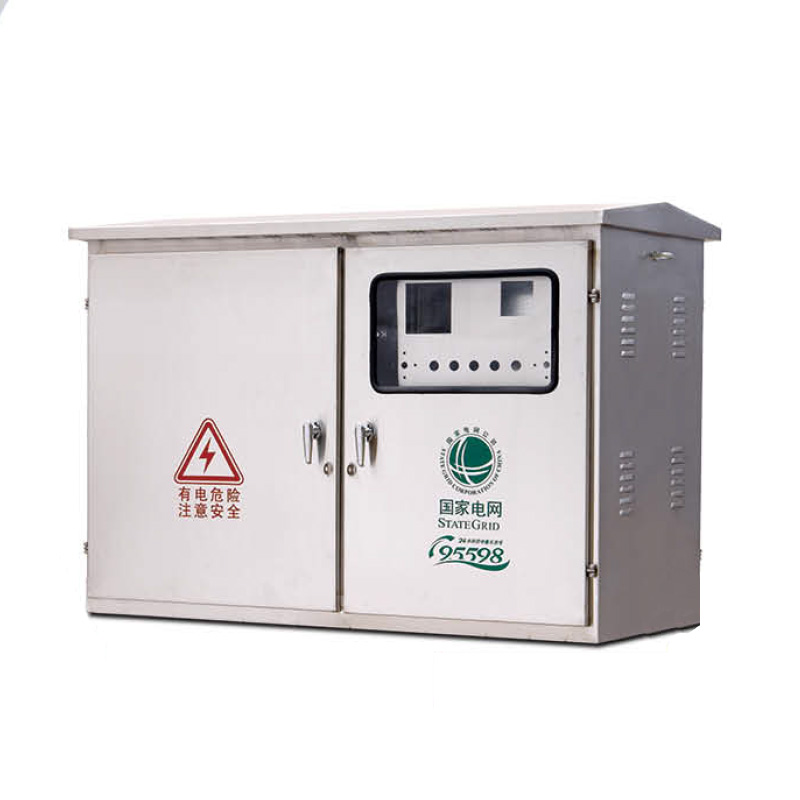
When power glitches happen, fingers point at the wiring or the breakers. But the real culprit is often the distribution box itself – and the manufacturer behind it. Choosing a distribution box isn't about picking the lowest bid; it's about knowing which manufacturer insights separate a durable, safe enclosure from a liability. At Chang Song, we’ve seen how material choices, ingress protection ratings, and thermal design directly determine whether a power distribution solution holds up under real-world load. Here’s what to look for before you spec your next panel.
What Actually Keeps a Distribution Box Reliable Over Decades
Most people assume a distribution box lasts because it's a simple metal or plastic enclosure, but the real story is far more layered. The first thing that separates a decades-long performer from a short-lived unit is the quality of its internal connections. Every terminal, busbar, and breaker mount must resist thermal cycling, vibration, and subtle corrosion without loosening over time. Cheap boxes fail when screws back out or contact resistance creeps up, generating heat that degrades insulation and invites arc faults. Reliable units use torque-controlled connections, plated copper bars, and designs that allow for thermal expansion without stressing the conductors.
Beyond the connections, environmental sealing plays a bigger role than most engineers admit. A box installed outdoors or in a humid basement faces condensation, dust, insects, and chemical vapors. The best enclosures don't just rely on a rubber gasket; they incorporate pressure-equalizing vents, drainage channels, and carefully selected materials that won't become brittle under UV exposure or low temperatures. In industrial settings, you also see boxes with powder-coated steel or marine-grade aluminum, plus corrosion inhibitors applied to every exposed joint. These details are rarely visible in a catalog photo, yet they determine whether the unit survives salt air, washdowns, or a decade of temperature swings from -30°C to 60°C.
Finally, maintainability is the quiet factor that extends service life. A reliable distribution box is easy to open, inspect, and modify without damaging the enclosure or disturbing existing wiring. That means generous bending radius for incoming cables, clearly marked neutral and ground bars, and removable gland plates instead of drilled holes. When a technician can quickly torque a connection or swap a breaker without fighting the box, routine maintenance actually happens on schedule. Over twenty years, that cumulative care prevents the slow drift toward failure that kills most electrical installations long before their components wear out.
Material Selection Mistakes That Surface Years Later
The wrong sealant looked fine on day one, but five years in, the joints started pulling apart like old caulk around a bathtub. It wasn't a dramatic failure—just a slow creep of moisture behind the siding that nobody noticed until the sheathing turned soft under a fresh coat of paint.
Take the case of fasteners. Stainless steel screws into pressure-treated lumber? That's fine. But plain galvanized hardware in contact with cedar or redwood can release enough copper to eat through the coating over a few rainy seasons. By the time the deck feels bouncy, the metal is already half gone.
Then there's the flooring specified as 'commercial grade' for a residential kitchen. It held up to foot traffic, but the adhesive underneath didn't survive repeated steam mopping. Tiles started lifting at the edges, and the warranty didn't cover 'improper maintenance.' The lesson? Material specs don't age in isolation—they age with your habits.
Customizing Layouts Without Sacrificing Delivery Dates
Layout changes often trigger a chain of delays, but that only happens when every adjustment starts from scratch. A smarter approach leans on pre-engineered modules that snap into different arrangements without reworking the entire production flow. Instead of redrawing the floor plan from zero, teams mix and match tested components, so a customized setup still rides on the same timelines as a standard one.
The real trick is keeping the critical path untouched. By confining customization to areas that don't affect procurement or assembly sequencing, you can offer layout choices that feel bespoke while the core schedule stays locked. It also helps to define clear guardrails early: which parameters are open to change, and which ones are fixed to protect the ship date. When those boundaries are respected, flexibility and on-time delivery stop being competing goals.
Thermal Design Choices That Prevent Unexpected Downtime
Overheating remains one of the most common root causes of unplanned outages in industrial and data center equipment. A thoughtful thermal design starts with understanding the heat load at the component level, then mapping out a dissipation path that avoids hotspots. Instead of relying on a single oversized fan, many reliability-focused designs use a staged approach: passive heatsinks for steady-state cooling, combined with variable-speed fans that only ramp up under heavy load. This not only extends fan lifespan but also reduces dust intake, which itself can choke airflow over time. The goal is to keep junction temperatures well below maximum ratings, leaving a buffer for unexpected ambient spikes or partial blockage of vents.
Material selection plays a bigger role than most people realize. Thermal interface materials (TIMs) degrade with thermal cycling, so choosing a high-quality, phase-change or graphite-based pad can maintain low thermal resistance for years instead of months. For enclosures, opting for anodized aluminum or coated steel with proper internal airflow channels can cut temperature rise by several degrees compared to plain painted sheet metal. Even the placement of power supplies and drives matters: grouping high-heat components together creates a concentrated heat zone that is hard to cool, whereas spreading them across the chassis allows natural convection to assist the fans. In outdoor or harsh environments, adding a filtered intake and positive-pressure design prevents fine particles from coating heatsinks and reducing their effectiveness.
Finally, preventing unexpected downtime isn't just about the hardware itself—it's about giving operators early warning. Embedding temperature sensors at key points (CPU, voltage regulators, exhaust air, and ambient inlet) allows the system to throttle gracefully or send alerts before a thermal shutdown becomes necessary. Some designs go a step further by tracking the rate of temperature rise as a proxy for filter clogging or fan bearing wear, triggering maintenance during scheduled windows rather than during peak production. By combining robust passive cooling, smart active airflow, and continuous thermal telemetry, you build in enough margin that a single fan failure or a hot afternoon doesn't bring the whole system down.
Reading Past the Certifications to Spot Real Compliance
A framed certificate or a fresh SOC 2 report is often treated as proof that a vendor has its act together, but those documents are snapshots. They reflect a moment in time, a limited audit scope, and a set of sampled controls. What they rarely show is whether the organization keeps those practices alive after the auditor leaves. Real compliance lives in patch cadence, access revocation speed, and how incidents get handled when nobody is watching.
Dig into the edges of the certification. Ask which systems and data flows were included, not just which product carries the badge. A vendor can pass an audit for a single service while the integration you depend on sits outside the assessed boundary. Request the list of exclusions, the sampling methodology, and the timeline for remediating findings. If those details are hard to get or waved away, treat the certificate as a starting point rather than a conclusion.
The most telling signs are operational. Watch for teams that update runbooks after every production change, run unannounced recovery tests, and can explain the purpose of a control without reading from a policy. When compliance is treated as a continuous discipline instead of an annual checkbox, the certificate becomes less important than the habits behind it.
Why Your Manufacturer's Supplier Network Matters More Than You Think
Most sourcing teams still judge a factory by its machine list and price per unit. That view misses the real risk: your manufacturer's own suppliers—tier-two and tier-three shops that make springs, coatings, or custom fasteners—often hold the power to delay your entire order. A single plating line shutdown in a backstreet workshop can idle an assembly plant for weeks, yet few buyers ever ask who plates the parts or where the raw casting comes from.
A resilient supplier network works like an early warning system. Factories with deep ties to their sub-suppliers hear about material shortages, tooling wear, or capacity crunches days or weeks before they turn into missed shipments. That lead time lets you reroute orders, adjust specs, or lock in alternate sources without paying emergency freight. In contrast, a manufacturer that constantly shops around for the cheapest subcontractor has no one to call when a bottleneck appears.
Beyond risk, the depth of a supplier network shapes what your product can become. A manufacturer who has collaborated with the same heat-treating shop for a decade can push tolerances or test new alloys that a transactional factory would never attempt. When your next design change requires a faster curing adhesive or a tighter gear mesh, the answer won't come from a spec sheet—it will come from the relationships your manufacturer has already built upstream.
FAQ
It often comes down to material thickness and busbar layout. A well-built enclosure uses galvanized steel or reinforced polycarbonate with proper IP rating, and the internal busbars are sized to prevent hot spots. Cheap units may look fine on the surface but start warping or losing connection integrity after repeated thermal cycling.
Very important if the box sits anywhere with dust, moisture, or washdowns. IP65 or higher for outdoor and industrial locations, but you also need to check that cable glands and knockouts maintain that rating after wiring. A box with a solid IP rating but poorly sealed entry points is a weak link.
Heat is the main enemy of breakers and connections. If the box lacks ventilation or proper heat dissipation, internal temperatures climb and components age faster. Look for designs with calculated air gaps, heat-resistant materials, or optional cooling fans for dense load centers.
Yes, because certifications prove the assembly was tested under fault conditions rather than just visually inspected. IEC 61439 for low-voltage switchgear and controlgear assemblies is the benchmark. UL 508A applies in North America. Ask for the specific test reports, not just a generic certificate.
Copper busbars with tin or silver plating outperform bare aluminum in most high-cycle applications. Tin plating resists oxidation, silver handles higher temperatures, and the plating thickness matters more than most people realize. Thin plating can wear through at contact points, causing increased resistance and eventual failure.
Look for flexible internal layouts, removable gland plates, and pre-drilled mounting rails. A good manufacturer will also offer custom silk-screening for circuit labels and breaker positions. But any custom change should be re-evaluated for clearances and heat dissipation, not just bolted on.
Regular thermal imaging is the most reliable method. Hot spots around breaker terminals, discoloration on busbars, or a persistent smell of overheated plastic are red flags. If you hear crackling or see flickering lights tied to a specific box, stop and inspect before it escalates.
Conclusion
Reliability in a distribution box rarely comes from a single feature. It builds over decades through decisions made long before installation. The housing material, for instance, often looks fine on day one but may fail years later if it was chosen only for upfront cost. A manufacturer with deep field experience knows which alloys or polymers resist corrosion, UV exposure, and mechanical stress in real environments, not just in test chambers. Thermal behavior matters just as much. Poor airflow inside an enclosure can slowly degrade contacts and insulation, causing intermittent faults that are difficult to trace. Thoughtful thermal design—vent placement, heat-dissipating components, and realistic load assumptions—keeps internal temperatures within a range where every breaker and busbar can perform for its intended lifespan.
Customization should not become an excuse for endless lead times. The most dependable suppliers use modular platforms and pre-engineered options, letting you adjust layouts, breaker arrangements, and cable entry points without starting from a blank sheet. This keeps delivery dates realistic while still matching the specific needs of a site. Certification labels are useful but not enough. A manufacturer who actually complies will explain how their testing aligns with the operating conditions you face, not just the standards they can quote. Equally important is the network behind that manufacturer. If they depend on unstable raw material or component sources, your project inherits that risk. A stable, vetted supplier chain ensures that the same quality you approved in a sample is what arrives on site, batch after batch.
Contact Us
Contact Person: Tonglun Chen
Email: [email protected]
Tel/WhatsApp: 8618906642555
Website: https://www.cncsele.com