

Custom Car Floor Mats: Transform Your Vehicle's Interior Today
2026-08-31
Your car’s interior tells a story every time you open the door—worn-out, generic mats can make even a new vehicle feel tired. But what if a single, often-overlooked upgrade could shift the entire cabin’s atmosphere? Custom car floor mats do exactly that, blending precise fit, durable materials, and personal style. Whether you’re dealing with muddy boots, spilled coffee, or just want a cleaner, sharper look, FANDEWEI offers tailored solutions that protect your floors while reflecting your taste. In this post, we’ll explore how the right set of mats can transform your vehicle’s interior from functional to remarkable—and why settling for off-the-shelf options means missing out on both form and function.
What Actually Changes When You Swap in a Custom-Fit Mat
The first thing you notice is how the mat stops pretending to be universal. A custom-fit piece follows the footwell’s contours instead of bridging over them, so the dead pedal area actually gets coverage and the edges don’t curl up against the center console. That alone changes how your left foot rests during long drives.
Then there’s the way it stays put. Generic mats rely on a couple of undersized anchors or, worse, just friction. A laser-measured unit locks into the factory retention clips and uses the transmission tunnel shape to resist sliding. You stop doing that subconscious shuffle to push the mat back into place every time you get in.
Finally, the materials and cleanup are different. Because the mat is shaped to the exact floor pan, spills pool in the low channels instead of running off the edge onto the carpet. Dirt and gravel accumulate in the grooves where you can vacuum them, not in the gap between mat and door sill. It’s a small change that quietly removes a dozen minor annoyances.
Designing Around Your Daily Grime, Not Just Your Car's Color
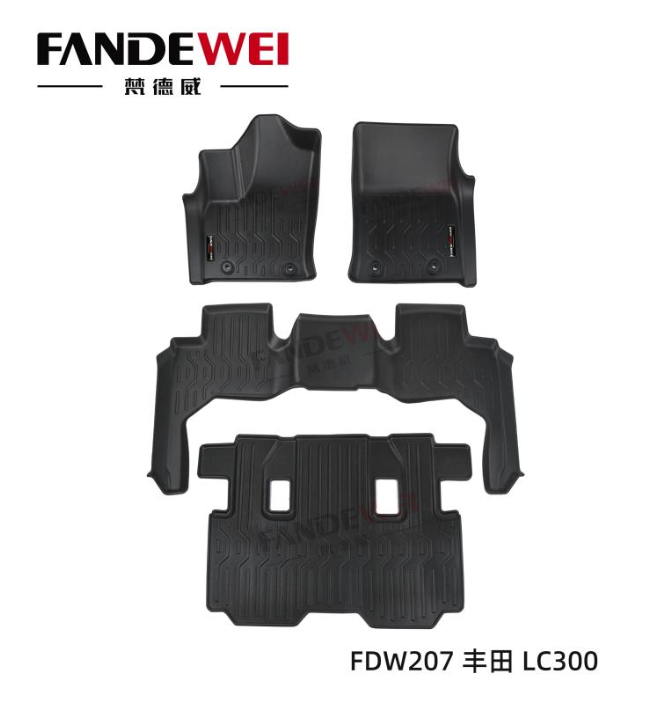
Most people pick a car color that hides dust or looks sharp in the showroom, but few think about how that finish will handle muddy boots, coffee spills, or a week of road spray. A dark metallic might seem forgiving, yet every dried water spot and fingerprint shows up like a billboard. Meanwhile, a light silver or beige can mask fine scratches and light dirt, but it won't do much for the dark streak your gym bag leaves on the door panel. The real trick is matching surfaces—not just paint—to the messes you actually make.
Think about the last time you climbed in after a rainy hike or tossed a greasy takeout bag on the passenger seat. That's the grime you should be designing around. Textured plastics hide scuffs better than glossy piano-black trim, which seems to attract every smudge within a mile. Fabric seats might feel cozy, but a spilled energy drink soaks in fast and leaves a halo. If your daily routine includes kids, pets, or construction-site lunches, you need materials that shrug off the chaos—think wipe-clean leatherette, rubberized cargo mats, and door panels with a slight grain to break up scratches.
It's not about choosing a color that's "easy to clean"—it's about choosing a layout that makes cleaning feel optional. A dark gray interior with subtle patterning can hide crumbs and pet hair for weeks, while a bright white interior demands a microfiber cloth every other day. Pay attention to the small zones too: the area around the cup holders, the lower door sills, and the back of the front seats. Those are the places where grime accumulates first, and a well-designed surface there saves you from constant scrubbing. So before you fall for a shiny exterior hue, run your hand over the door card, press your thumb into the seat fabric, and ask yourself: will this still look okay after a month of my actual life?
The Materials That Still Look Good After a Winter of Salt and Slush
After a few months of tramping through salted intersections and half-frozen puddles, most winter gear starts showing its age. But certain materials shrug off that crusty white film and keep their shape. Full-grain leather with a regular coat of beeswax or lanolin develops a darker, burnished look instead of cracking or staining. It won't stay box-fresh, but that's the point—the marks from slush add character rather than ruin. Rubber lug soles and waxed canvas hold up similarly; they shed moisture and rinse clean without the fabric turning limp or the rubber hardening into a slick, useless slab.
Metal hardware is usually the first casualty. Cheap zinc alloys pit and flake after one season. Marine-grade stainless steel and solid brass, on the other hand, form a dull patina that actually masks future salt spots. Powder-coated aluminum does the same for buckles and frames, as long as the coating hasn't been scratched down to bare metal. And for anything that gets kicked or dragged through ice, a thick thermoplastic polyurethane edging resists abrasion far better than standard PVC, so corners stay neat instead of fraying into fuzzy white threads.
The trick is not just the material itself but how it's finished. A dense weave with a tight DWR treatment keeps water beading on the surface, while uncoated nylon soaks up brine and leaves permanent white tide marks. Wool felt insoles—often overlooked—bounce back after repeated wet-dry cycles and don't hold the sour smell that synthetic foam does. If you're judging by March, the winners are the items that look a little lived-in but still structurally sound.
Installation Mistakes That Make Even Premium Mats Slide Around
You finally drop real money on a thick, high-density mat, unroll it, and within a week it’s creeping toward the wall like it’s trying to escape. The problem usually isn’t the mat itself — it’s what’s underneath. A lot of people lay premium mats straight onto polished concrete, glossy tile, or freshly waxed hardwood, and then wonder why the thing won’t hold still. Any slick surface kills friction, and no amount of top-layer grip can make up for that. Even worse is when the floor was just mopped and the mat goes down while it’s still slightly damp. That thin layer of moisture acts like a lubricant, letting the mat glide with every step, lunge, or downward dog.
Another quiet culprit is rushing the unrolling process. High-end mats often ship tightly rolled and need time to flatten out completely. If you start practicing while the corners are still curling upward, your body weight pushes against those lifted edges and gradually shoves the whole mat sideways. The same thing happens when the mat is slightly wider than the space you’re using — one edge rides up the baseboard or a piece of furniture, and that uneven pressure slowly rotates the mat out of position. A premium mat also needs the right foundation: if you’re on carpet, a dense rug pad underneath can actually make things worse by creating a soft, shifting layer between the mat and the floor. You want the mat to meet a dry, clean, hard surface with as much direct contact as possible, and you want to give it at least a few hours — ideally overnight — to lose its roll memory before you put it to work.
A Cleaning Routine That Won't Fade or Warp Your Mats
Most damage to floor mats doesn't come from dirt—it comes from the way they're cleaned. Hot water and aggressive scrubbing can break down fibers and cause edges to curl, while direct sunlight or a hot dryer cycle often leaves colors looking dull and patchy. A safer approach starts with a quick shake or vacuum to lift loose grit, followed by spot-cleaning with cool water and a mild soap. Work gently from the outer edge toward the center so stains don't get pushed deeper into the weave.
After rinsing, skip the temptation to wring the mat out. Instead, press it flat between two dry towels to draw out excess moisture, then leave it to air dry away from radiators and strong sun. If the mat has a rubber backing, hanging it over a rail can stretch the backing and lead to warping—laying it flat is the better choice. Once it's completely dry, a light brush with a soft-bristle broom can revive the pile and keep the surface looking even.
When a Higher Price Tag on Floor Protection Is Worth It
It's easy to wince at premium underlayment prices, but cheap rolls and thin sheets often turn into a false economy. If you're laying high-end hardwood or delicate luxury vinyl plank over concrete, the underlayment isn't just a cushion—it's the difference between a floor that stays flat and quiet for a decade and one that starts creaking or telegraphing subfloor imperfections within a year. Spending extra on a dense, moisture-blocking option with a high compression rating makes sense the moment you realize the flooring itself costs five to ten times more per square foot.
Renovation jobs in older homes also justify the higher price. Uneven subfloors, old adhesive residue, or hairline cracks don't disappear under a budget barrier. A premium self-leveling underlayment or a reinforced vapor barrier can handle those flaws without tearing out the entire subfloor. That upfront cost is still far less than ripping up a finished floor because trapped moisture bubbled the planks or a low spot created a visible dip.
Then there's the noise factor. In multi-story homes, condos, or rental units, a higher-priced acoustic underlayment is often a requirement, not a luxury—some HOAs and building codes demand specific impact or sound transmission ratings. Buying cheap foam to save forty dollars a room can mean failed inspections, neighbor complaints, and eventually a do-over. If the floor has to meet a standard or protect the space below, the premium tag earns its keep before the first box of flooring is even opened.
FAQ
The biggest difference is coverage and fit. Factory mats often leave gaps around the edges and under the pedals, while custom mats are cut to the exact contours of your specific model. That means less dirt, salt, and moisture reaching the carpet underneath, and a cleaner appearance overall.
For heavy use, a heavy-duty rubber or thermoplastic material is tough to beat. It handles mud, snow, and spills without soaking through, and it's easy to rinse off. If you want a plusher look and feel, carpeted options with a rubber backing can work, but they require more frequent vacuuming and stain treatment.
Yes, many suppliers offer a wide palette of colors and even custom embroidery. You can match the carpet, the seats, or add contrast piping. Some let you upload a logo or choose a binding color, so the mats become part of the design rather than an afterthought.
Properly designed custom mats use factory retention hooks or a non-slip backing that grips the carpet. Universal mats often slide forward and bunch up under the pedals, which is a safety risk. With a precise fit, the mat stays put and doesn't interfere with braking or acceleration.
It depends on the material. Rubber or all-weather mats can be hosed down with mild soap and left to air dry. For carpeted mats, vacuum them first, then use a foam cleaner with a soft brush. Avoid harsh chemicals like bleach, which can fade colors and break down the fibers.
Yes, some custom mats are designed with raised edges or a 'laser-measured' lip that extends up the sides of the footwell. This is especially useful in winter climates where slush and road salt splash up. Look for descriptions that mention 'high wall' or 'full containment' if that's a priority.
A thicker mat with dense backing can absorb some of the low-frequency rumble from the road and exhaust. It won't transform the car into a luxury sedan, but many drivers notice a slight reduction in noise and vibration, especially on coarse pavement. Combining mats with a sound-deadening underlayment works even better.
Most reputable makers have digital patterns for thousands of makes, models, and years, including discontinued ones. If your vehicle isn't listed, some companies offer a tracing service where you send a paper template. It takes a bit longer, but the result is still a precise fit.
Conclusion
Replacing the flimsy factory mats with a set cut to your vehicle's exact floor pan feels like a different cabin altogether. Instead of thin carpet that shifts underfoot and leaves the edges exposed, a custom-fit liner wraps around the dead pedal, hugs the transmission tunnel, and stays anchored without bunching. That precise coverage matters when you're tracking in wet leaves, road salt, or coffee spills. It also forces you to think about your actual daily mess, not just the exterior paint color. A dark, textured mat with deep channels can hide weeks of grime, while a light carpet-style mat shows every footprint. For winter slush, dense rubber or heavy-duty thermoplastic holds up far better than basic loop carpet—it won't soak through or crack in freezing temperatures.
Installation is where people ruin even the best mats. Skipping the factory retention clips or laying the mat over the accelerator pedal leads to dangerous sliding. Take the time to align the backing with the floor anchors and, if your vehicle uses them, press down until the clips click. After that, maintenance is straightforward: shake out loose debris, rinse with mild soap and water, and let them air dry completely before putting them back. Avoid steam cleaners and harsh degreasers, which can fade the color or warp the edges. As for price, a higher upfront cost usually buys thicker material, better odor resistance, and a longer warranty. If you park outside, carry pets, or live where roads are salted, the extra money pays off in floors that still look clean and an interior that feels more put together every time you open the door.
Contact Us
Contact Person: Jet
Email: [email protected]
Tel/WhatsApp: 8619903745266
Website: https://www.fandewei.com/