

China Lip Gloss Tube: The Ultimate Guide to Finding the Best Packaging for Your Beauty Brand
2026-08-25
You've perfected your lip gloss formula, but if the tube doesn't scream 'try me' on the shelf, all that work stays invisible. That's where China's packaging expertise comes in—and not all suppliers are equal. This guide cuts through the noise, spotlighting the must-know factors and why forward-thinking brands are turning to Sanrong Packaging for tubes that do the selling for you.
What to Look for in a China Lip Gloss Tube Before You Order
First, check the actual feel of the tube in your hand. A well-made lip gloss tube shouldn't feel flimsy or too light, and the cap should snap or screw shut with a satisfying resistance. Pay close attention to the inner stopper—if it's loose or poorly molded, product will leak around the wand and make a mess in the cap. Transparent acrylic tubes are popular, but they can scratch easily during shipping; ask whether the factory adds a protective coating or uses a more scratch-resistant grade.
Next, don't take the listed capacity at face value. Many suppliers quote the total volume of the empty tube, not the usable fill volume after the wand and stopper are inserted. If you plan to fill 5 ml of gloss, you need a tube with enough headspace so the wand doesn't overflow when inserted. Ask for a cross-section diagram or a filled sample with your actual formula to see how the product sits inside and whether the wand picks up too much or too little.
Finally, always request a physical sample before committing to a bulk order. Renderings and catalog photos won't show subtle issues like uneven electroplating, rough mold lines, or a chemical smell from low-grade plastic. Check the printing or labeling on the sample—does it rub off with a fingernail? Does the color of the cap match your brand pantone under different lighting? A reliable factory will be willing to send a pre-production sample and then match that exact sample in mass production, not just promise a close match.
The Materials Behind Lip Gloss Tubes That Feel Expensive
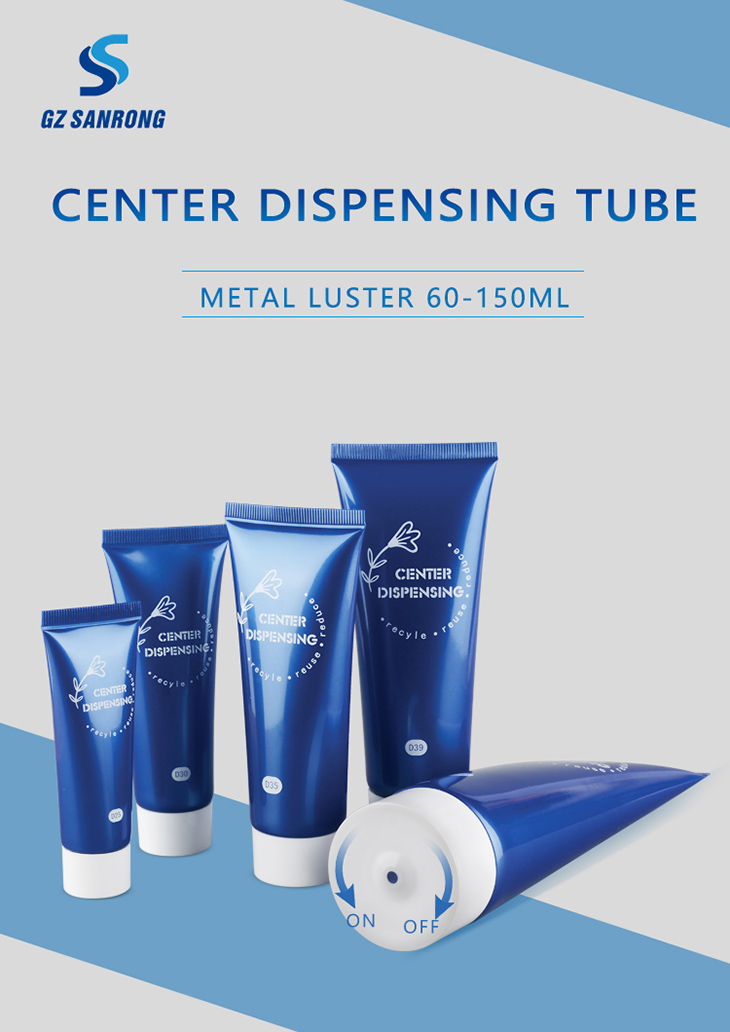
The perceived cost of a lip gloss often starts with the tube's heft and temperature. A thick-walled borosilicate glass barrel cools against your fingertips and carries a subtle blue-green tint that plastic can't mimic. Brands aiming for that high-end feel select glass over acrylic even though it costs more to ship and requires a tighter torque spec on the collar.
The cap does heavy lifting. Instead of a single molded polypropylene piece, expensive tubes use zamak or anodized aluminum caps with an inner polypropylene liner. That combination gives a satisfying cold-metal click when it snaps shut and prevents the wand from drying out. The cap's weight is often deliberately balanced against the glass base so the tube sits upright in your palm without feeling top-heavy.
Soft-touch finishes and frosted gradients matter less than the tolerances between parts. A visible parting line, a wobbly neck, or a rattling steel ball in the mixing chamber instantly cheapens the experience. High-end tubes use custom wipers that control product pickup and brass or stainless steel balls that roll without clinking. Even the label is often screen-printed directly onto the glass, eliminating the edge of a sticker that your nail can catch.
Customization Tricks That Make Your Packaging Unforgettable
People remember how packaging feels before they remember what it says. A soft-touch matte finish on a plain mailer makes someone pause, and a light emboss on a logo invites fingertips to linger. Mix materials on purpose: rough kraft paper against a glossy sticker, or a sleeve that slides off with just enough resistance to feel deliberate rather than accidental.
You do not need a customer's name on every box to make it feel personal. Handwritten-style notes printed in a real human scrawl, a small sticker that says 'packed by Maria,' or a single unexpected line inside the flap—'You're going to love what's inside'—turn a routine unboxing into a quiet moment. Leave one detail that feels like an inside joke between you and the buyer; that is what gets talked about.
Another overlooked trick is designing for the second look. Add a hidden pattern inside the box, a reusable belly band with a different message on the reverse, or a detachable tag that becomes a bookmark. When packaging has a second life, it stays on a desk or shelf long after the product is gone, quietly reminding people where it came from.
What Chinese Factories Won’t Tell You About Pricing and MOQs
The first quote you get is rarely the real price. A factory that comes in 12% below the next supplier is usually not more efficient; they are either using a lower-grade raw material, skipping a testing step, or planning to make up the difference on the reorder once you are locked in. You won't see this until a batch fails inspection or a customer complains about durability six months later. The price is not fake—it is just a different product wearing the same spec sheet.
Low MOQs sound like a favor, but they shift the setup cost somewhere else. A factory can accept 200 units instead of 1,000 by grouping your order with another buyer's run or by using leftover material from a previous job. You save money on the front end, but the color may be slightly off, the packaging may not match your artwork exactly, and consistency between orders becomes a coin toss. When you push for a low MOQ without talking about shared tooling fees or longer production windows, the factory will often say yes and then quietly add charges for samples, labeling, or minor tweaks that were supposedly included.
Price changes get buried in the fine print of reorders. Raw material costs, exchange rates, and even local electricity restrictions fluctuate constantly, but factories quote as if the first price will hold forever. The supplier who kept your unit cost stable for eight months may suddenly add a 9% surcharge, and you will never hear about the cheaper alternative materials they rejected because it would lower the invoice total. Real transparency starts when you demand a line-by-line cost breakdown and compare it against at least two other factories quoting the exact same specification.
Quality Control Steps That Catch Defects Before They Reach Customers
Most defects don't appear at the end of the line—they originate earlier, so the most effective quality control starts before production even begins. Incoming material inspections verify that raw components meet tolerance and certification requirements, preventing substandard inputs from ever reaching the assembly floor. Once production is underway, in-process checks at critical stages catch dimensional drift, soldering flaws, or misalignments while corrections are still inexpensive. Operators use go/no-go gauges and visual standards, and statistical process control charts flag trends before they turn into out-of-spec parts.
Final inspection remains important, but it works best as a second layer rather than the only safeguard. Functional testing simulates real-world use—power cycling electronics, pressure-testing seals, or running software diagnostics—to expose failures that visual checks miss. Pre-shipment audits sample finished lots against the customer's exact specifications, including packaging and labeling. When a defect is found, the response is not just rework; a corrective action report traces the root cause and updates the process so the same issue doesn't repeat on the next run.
Beyond formal checks, a strong quality culture gives line workers the authority to stop production when something looks wrong. Daily stand-up meetings review yesterday's defect data and assign ownership for fixes, keeping problems visible instead of buried in reports. This combination of early detection, layered verification, and closed-loop corrective action is what keeps flawed products from ever reaching a customer's hands.
Finding a Reliable Lip Gloss Tube Supplier in China Without the Guesswork
Scrolling through endless supplier listings and comparing thousands of near-identical product photos rarely tells you who actually delivers quality. The real filter starts with how a factory responds when you ask specific questions: their lead time for custom molds, whether they can share recent third-party lab test reports for the plastic or glass you're considering, and if they're willing to walk you through their production floor over a live video call. A supplier that dodges these requests or only sends polished brochures is usually hiding something—either a lack of in-house tooling or a history of cutting corners on material sourcing.
Minimum order quantities often become the first practical test. A factory that pushes you to order 50,000 units when you're still validating your formula isn't thinking about your risk; they're thinking about their machine utilization. Reliable partners will offer a smaller trial run, even at a slightly higher unit cost, and let you test the tubes with your actual lip gloss formula—not just water or a generic filler. Pay attention to how they discuss closures and wipers too; a tube that looks identical online can have a completely different feel when the wand snaps in or the stopper scrapes excess product. Those details only surface in samples, and a supplier who treats sample production as an afterthought will treat your bulk order the same way.
Once samples arrive, don't just inspect them visually—run them through a basic drop test, check for leakage after a few days of lying on their side, and twist the cap open and closed fifty times. Then ask the supplier to explain any variances you find. Their willingness to acknowledge and fix small issues before production tells you more than any certification badge. Finally, when you're ready to commit, write a simple quality clause into the purchase agreement that ties payment milestones to an inspection report from a third-party service you choose. This step alone eliminates most of the guesswork, because factories that have nothing to hide won't object to independent verification.
FAQ
Chinese factories often run dedicated production lines for cosmetic packaging, so they can offer faster tooling tweaks and lower per-unit costs without sacrificing finish quality. You still need to vet them through live video tours and past client references, but the speed from sample to shipment is hard to match elsewhere.
PETG and PMMA are the go-to choices because they hold clarity and resist scratching. For a softer feel, you can ask for a matte UV coating or a soft-touch finish on the outer cap, while the inner chamber should be tested with your actual gloss formula to rule out any reaction or clouding over time.
Many suppliers list a 5,000 to 10,000 piece MOQ, but that often applies to fully custom molds. If you stick with an existing tube shape and only change the decoration, you can usually negotiate down to 2,000 or 3,000 pieces. Always confirm whether the MOQ includes printing plates and color matching before you pay.
Focus on the applicator, the wiper, and the cap closure. A well-designed doe-foot or brush tip prevents messy application, and a tight wiper keeps gloss from pooling at the neck. A little weight in the cap makes the whole package feel more expensive, while over-designed outer shapes can delay production without boosting perceived value.
Request a live video walkthrough of the production floor, not just pre-recorded clips. Ask for a pre-production sample made from the exact same mold and materials, then send it to a third-party lab if you can. For larger orders, booking an inspection through a company like SGS or Intertek before the final balance is released adds real protection.
Skipping compatibility tests between the gloss formula and the tube's inner lining is a big one, because some oils can degrade certain plastics over time. Another mistake is not confirming dimensional tolerances on the cap and wiper, which leads to leakage in transit. Underestimating production lead times around Chinese holidays also causes missed launch dates.
Refillable inner cartridges are gaining traction because they appeal to eco-conscious buyers. Frosted or jelly-colored tubes with visible product levels also perform well on social media. Adding a PCR (post-consumer recycled) outer shell or a removable outer carton can make a small brand feel more premium without a huge cost jump.
Clarify whether the factory quotes FOB or EXW, because EXW shifts all logistics and export paperwork onto you. Most small brands use a freight forwarder to consolidate LCL shipments and lower per-unit freight costs. Duties depend on your country's tariff codes for plastic cosmetic packaging, so set aside around 5 to 10 percent of the order value as a buffer.
Conclusion
Most buyers focus on the wrong things when sourcing lip gloss tubes from China. Instead of chasing the lowest quote, pay attention to how the tube feels in your hand and how smoothly the applicator glides. Cheap plastic wands and flimsy caps ruin a formula before a customer even tries it. Ask for samples made from the exact material you plan to use—acrylic, PETG, or glass—because each one changes the perceived value. Customization goes beyond printing a logo; think about soft-touch finishes, metallic collars, or an unusual cap shape that makes your product instantly recognizable on a shelf. And don't assume the first price you hear is final. Many factories quote based on high MOQs and leave room for negotiation if you ask about existing molds or mixed-color orders.
Quality control is where a good supplier separates itself from a risky one. Request a pre-production sample and a production sample from the same batch so you can compare weight, threading, and print alignment. A reliable factory will welcome a third-party inspection and will not hide behind vague answers about defect rates. When vetting suppliers, skip the guesswork: check how long they have been exporting, ask for references from beauty brands, and request a video walkthrough of their assembly line. The best packaging partner treats your project like their own, not just another order on a busy schedule.
Contact Us
Contact Person: Alex Wu
Email: [email protected]
Tel/WhatsApp: 86-20-37965868
Website: https://www.gzsanrong.com/en.html

