

China Aluminum Tray Sourcing Made Simple: Find Reliable Suppliers and Quality Products
2026-07-01
Sourcing aluminum trays from China doesn't have to be a maze of uncertainty. Whether you're stocking a commercial kitchen or launching a food packaging line, the right partner makes all the difference. But with countless vendors claiming to offer the best, how do you separate the reliable from the risky? That's where insight and strategy come in—and a name you can trust, like APEXAL, changes the game. In this guide, we'll walk you through the essentials of finding suppliers who deliver quality, consistency, and value, so you can source with confidence and leave the guesswork behind.
Why China Leads in Aluminum Tray Manufacturing
China’s hold on aluminum tray manufacturing starts with raw material access and an industrial chain that’s been fine-tuned over decades. Major bauxite reserves sit right next to massive smelting operations, and the country’s rolling mills pump out high-grade sheet at a scale and cost few regions can touch. When you add in a dense network of die-casting and stamping workshops clustered around ports, the logistics alone give Chinese producers a built-in edge—materials barely travel before they’re shaped, coated, and packed for export.
Beyond cheap inputs, there’s a depth of craft that comes from producing billions of trays every year. Workers and line engineers have seen every tolerance hiccup, every alloy quirk, and they’ve turned that into a repeatable process. Instead of rigid, by-the-book manufacturing, shops tend to iterate constantly—tweaking tool temps or quench timing to shave off defects without slowing output. That hands-on refinement means a tray from Shenzhen often carries tighter consistency than one from a low-volume boutique plant.
Speed and adaptability seal the deal. Chinese factories don’t just tool up for massive runs; they’ll switch wall angles or add compartment dividers mid-season if a buyer half a world away sends new specs on a Tuesday. Early bets on servo-driven presses and inline QA systems let them hit tight deadlines without piling on waste. The result is a supply base that behaves less like a distant vendor and more like an extension of a brand’s own engineering team—responsive, precise, and quietly relentless.
Vetting Suppliers Beyond Certifications
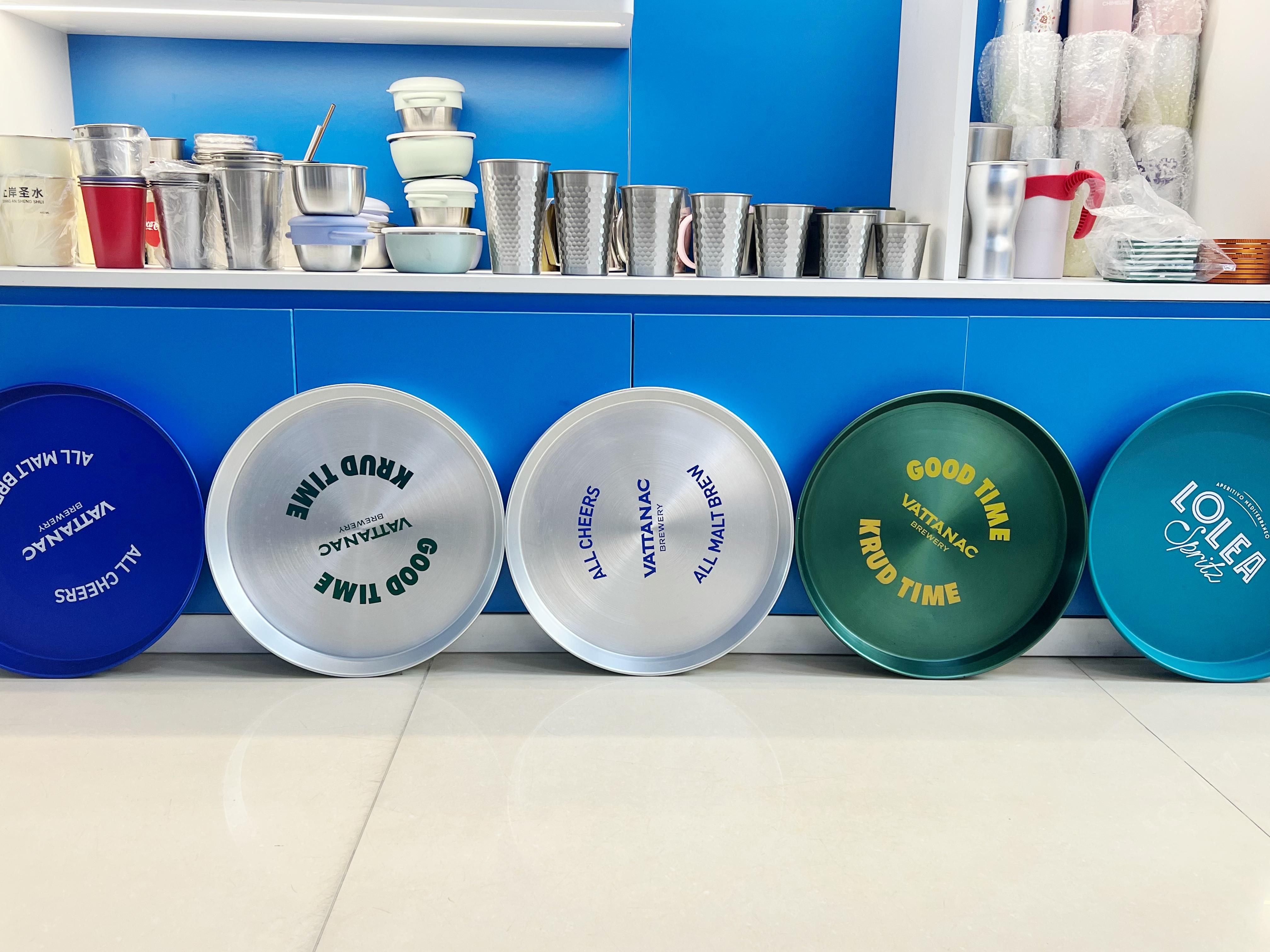
Certifications can open doors, but they don't guarantee a supplier's day-to-day reliability. I've seen too many companies get burned by glossy audit reports that masked crumbling internal processes. Real vetting means looking past the paperwork and asking uncomfortable questions: How do they handle a raw material shortage? Who's actually running the night shift? A framed ISO certificate won't tell you if a factory owner skimps on machine maintenance to hit a quarterly target.
Go beyond the standard checklist and observe the unscripted moments. Visit during a shift change and watch how teams communicate, or check if safety protocols dissolve when management isn't hovering. Talk to the people on the floor, not just the sales team—they'll often reveal more about morale and hidden bottlenecks than any executive summary. Certifications measure a moment in time, but you need a supplier who lives quality every day, not just for the auditor.
Finally, measure a supplier's resilience, not just their current output. Throw hypothetical scenarios at them: a sudden design change, a logistics snarl, a spike in demand. Their answers—and the speed of their response—tell you far more about their true capabilities than a certificate on the wall. Over time, the best suppliers earn your trust by solving problems before you even notice them, and that takes a depth that no audit can fully capture.
Key Quality Indicators You Can’t Ignore
When assessing the health of any product or service, certain metrics stand out as non-negotiable. These are not abstract numbers buried in reports but real-world signals that directly reflect user satisfaction and operational stability. Ignoring them means flying blind, often leading to costly mistakes that could have been avoided with a simple trend line. For instance, a sudden dip in the repeat purchase rate might indicate a deeper friction that hasn’t yet surfaced in support tickets. Paying attention early turns small quirks into big opportunities.
One often overlooked yet incredibly telling indicator is the time it takes for a customer to experience their first moment of genuine value—commonly called time-to-value. If that window stretches too wide, even the most polished product will struggle to retain attention. Another is the ratio of active users who adopt a feature versus those who merely glance at it. Engagement depth matters far more than vanity metrics like page views, which can paint a misleading picture of success. Tracking these indicators requires discipline but rewards you with a clear map of what’s actually working.
Beyond the obvious suspects like churn rate or net promoter score, consider the trailing indicators that reveal systemic issues. For example, the interval between reported bugs and their resolution can unravel cracks in your quality assurance process. Similarly, monitoring the frequency of “workaround” behavior—where users improvise solutions because a core flow is broken—can alert you to problems that never make it to formal feedback channels. These quality signals demand a mix of quantitative logging and qualitative curiosity, and they separate reactive teams from proactive ones.
A Practical Approach to Custom Aluminum Trays
When diving into custom aluminum trays, the first thing you’ll notice is that not all aluminum is created equal. The alloy you pick directly affects formability, strength, and corrosion resistance. For most utility trays, 5052 or 6061 hit the sweet spot—they bend cleanly without cracking and hold up well under daily use. Gauge thickness matters too: too thin and the tray feels flimsy, too thick and it becomes unnecessarily heavy. A practical trick is to start with 14–16 gauge for prototypes; it’s substantial enough for real-world testing but easy to tweak.
Designing for manufacture is where many projects stumble. Instead of complex curves or deep draws that demand expensive tooling, focus on simple bends and welded corners. This keeps tooling costs low and lead times short. If you’re adding handles or mounting points, think about standard off-the-shelf options rather than custom castings. A laser-cut blank with press brake bends often yields a tray that looks and performs beautifully without breaking the bank. Don’t forget to specify edge finishing—deburring and a light radius prevent sharp edges and make the part feel refined.
Working with a supplier should feel collaborative, not transactional. Share rough sketches or cardboard mockups first; a good fabricator will spot potential issues early and suggest practical improvements. Ask for a sample run of 5–10 units before committing to full production. This lets you test fit, finish, and function under real conditions. Finally, discuss packaging and shipping early—stackability and protective wrapping often get overlooked but can save you from a pile of scratched trays on arrival.
Pricing Insights for Better Deals
Great deals rarely announce themselves—they hide behind subtle pricing patterns. Recognizing those patterns turns casual browsing into strategic buying. Whether it’s a sudden dip right after a product launch or a predictable seasonal clearance, timing your purchase can mean the difference between paying full price and saving 30% or more.
Retailers often adjust prices based on inventory levels, competitor moves, and even the day of the week. Tracking these fluctuations reveals when a price is likely to bottom out. Instead of guessing, you can use historical data to spot the sweet spot—that moment just before demand spikes again. It’s not about luck; it’s about reading the signals.
Some of the best savings come from knowing when to hold off. If a product’s price history shows a recurring pattern of discounts every six weeks, patience pays. Pair that with alerts for your target price, and you transform from a reactive shopper into a savvy deal hunter who rarely overpays.
Streamlined Shipping from Factory to Door
Shipping doesn’t have to feel like a maze of warehouses and unpredictable delays. By linking the factory floor straight to your doorstep, every order moves along a clear, uninterrupted path. That means fewer stops, less handling, and a lot more certainty about when your package will actually arrive.
The real advantage shows up in the details. Direct routing eliminates the usual back-and-forth between multiple carriers, so tracking stays accurate and updates feel immediate. You’re not left guessing—you know exactly where things stand, from the moment production wraps to the second the doorbell rings.
It’s also about trimming the fat. Without extra warehouses or middlemen eating into the timeline, costs drop and speed climbs. The result is a shipping experience that mirrors how modern shopping should work: simple, fast, and completely transparent.
FAQ
Begin by identifying your specific needs—size, thickness, coating, and quantity. Then, reach out to manufacturers through verified B2B platforms or trade shows, and always request samples to check quality firsthand.
Look for consistent communication, transparent pricing, and a willingness to share certifications like ISO or FDA. Check their factory audit reports and past client reviews, and consider a video tour of their production line.
Reputable suppliers use food-grade aluminum and apply FDA- or LFGB-approved coatings. Always ask for material safety data sheets and migration test reports to confirm compliance with your destination market’s regulations.
Typically 15–30 days for standard molds, but complex designs may take longer. Factor in extra time for sample approval and shipping, and make sure the supplier outlines the schedule clearly in the contract.
Set detailed specifications in a QC checklist, use a third-party inspection service like SGS or Bureau Veritas, and require pre-shipment testing. Building a long-term relationship with the factory also helps maintain consistent quality.
Don’t choose solely on price—cheap offers often compromise thickness or coating durability. Avoid unclear payment terms, and always verify the supplier’s export license and past shipment records before paying a deposit.
Yes, many factories offer low MOQs for trial orders, especially if you’re willing to pay a slight premium. Some even provide stock sizes without customization. Be upfront about your initial volume needs during negotiations.
Common options include anodized, non-stick, and lacquered finishes. For baking, go with food-grade non-stick; for high-heat applications, anodized is better. Ask for performance data like heat resistance and abrasion durability.
Conclusion
Sourcing aluminum trays from China doesn't have to be a gamble if you know where to focus. The country's dominance in this sector comes from a mature ecosystem of raw material access, advanced extrusion and stamping facilities, and decades of experience serving global markets. But real reliability goes beyond a factory's certificates. It's about walking the production floor—virtually or through a trusted agent—to see if their lines are consistently turning out pieces with uniform thickness, smooth edges, and flawless anodizing. You want a partner who treats your order like their own, not just another container to fill. This hands-on vetting sets apart a supplier who will catch a subtle die line before it ruins a batch from one who ships defects and hopes you won't notice.
When it comes to custom projects, the process should feel like a collaboration, not a transaction. A skilled factory will guide you on alloy selection and wall thickness to balance strength and cost, and they'll strip away unnecessary mold fees if you commit to a realistic volume. Pricing transparency is critical: insist on a breakdown that separates material, labor, and surface treatment so you know exactly what you're paying for and can spot hidden markups. Then tie every detail into a shipping plan that accounts for the trays' nesting ratios and stacking strength. Whether it's ocean freight consolidated with other goods or a direct express line for samples, a logistics-aware supplier will design the packaging to reduce cubic volume and protect against corrosion, making the journey from their dock to your door surprisingly straightforward.
Contact Us
Contact Person: Milo
Email: [email protected]
Tel/WhatsApp: +86 18621923991
Website: https://www.dgbaide.com