

Car Air Purifier Manufacturer Reveals the Key Factors That Directly Impact Cabin Air Quality
2026-10-21
Most drivers assume rolling up the windows seals out pollution, but the cabin often traps a concentrated mix of exhaust, microplastics, pollen, and VOCs. Improving that air takes more than a standard filter—it hinges on airflow design, filtration media, and sensor accuracy. LUFUTATECH, a car air purifier manufacturer, has isolated the key factors that actually move the needle on cabin air quality. Here's what to look for before trusting your next breath to a device.
Why Cabin Air Gets Stale Faster Than You Think
Sitting in a metal tube at 35,000 feet, you might assume the air is constantly being replaced with fresh outside air. In reality, only a fraction of cabin air is new—most of it gets recirculated through filters. Those filters trap dust and microbes, but they do little for carbon dioxide or the slow buildup of odors from upholstery, meals, and human breath. Within thirty minutes, the cabin can feel noticeably stuffier than when you boarded.
Another overlooked factor is the sheer density of passengers. A full flight means dozens of people exhaling CO2 and moisture into a confined space. Meanwhile, cabin humidity often drops below 20%, drier than most deserts. That parched air irritates nasal passages and makes existing smells sharper, so even faint traces of cleaning agents or recycled coffee become more pronounced. You end up perceiving the air as stale far sooner than a sensor would flag it.
Ground operations make it worse. During boarding and taxiing, the ventilation system may run at reduced power to save fuel, letting exhaled breath and body odors accumulate. Add to that the lingering residue from previous flights embedded in seats and carpets, and you have a recipe for air that feels thick and used. By the time the cabin doors close, the staleness has already set in—faster than most travelers expect.
The Filter Media Most Drivers Overlook
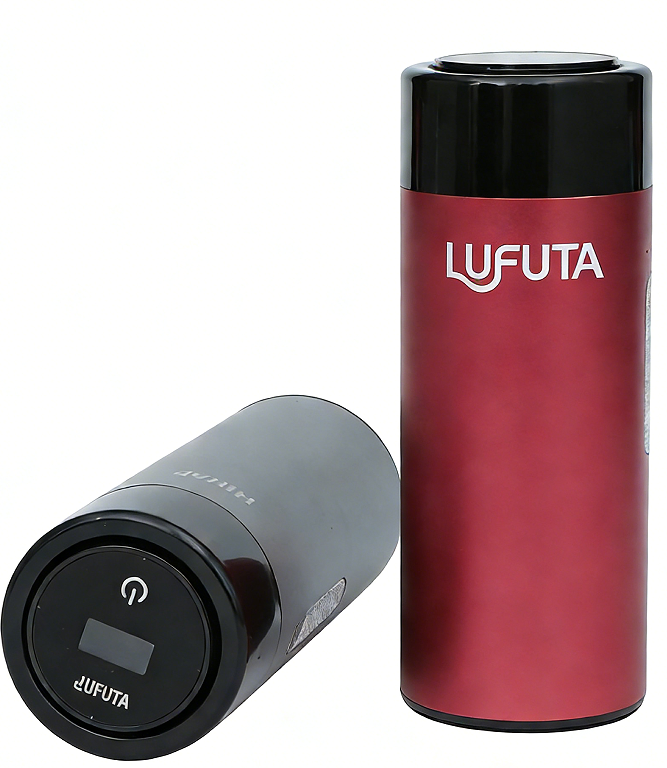
Most people assume the only filter worth worrying about is the one that catches dirt before it reaches the engine. But tucked away inside the cabin air system is a layer of media that rarely gets a second thought—until the windows fog up or a musty smell creeps through the vents. This overlooked piece often gets clogged with pollen, brake dust, and even bits of leaves, yet it goes untouched during routine oil changes.
What makes it easy to forget is the fact that it doesn't trigger a dashboard warning light or affect acceleration. Instead, it quietly restricts airflow, forces the blower motor to work harder, and lets outside contaminants settle into the evaporator core. By the time you notice a weak stream from the vents or a sour odor on startup, the damage has been building for months.
Replacing this media is neither complicated nor expensive, but it sits at the bottom of most maintenance checklists. The trick is to check it every second oil change, or more often if you drive through construction zones or park under trees. A clean layer here not only keeps the cabin fresh but also protects the entire HVAC system from premature wear.
Airflow Design: Where Placement Beats Power
Many enthusiasts assume more fan power automatically means lower temperatures, but placement is the real lever. A single 120mm fan aimed straight at a GPU's intake can do more than two 140mm fans that mostly recirculate warm air near a side panel. Air follows the path of least resistance, so if the route is blocked or misdirected, extra CFM just becomes noise and turbulence.
The classic front-to-back, bottom-to-top layout works because it respects both natural convection and component orientation. Front intakes should line up with the GPU and CPU cooler's fan direction, not merely fill the front panel. Rear and top exhausts earn their keep when they sit close to heat sources, pulling hot air out before it lingers around the motherboard.
Small tweaks often matter more than big specs. Sliding a front intake down one slot to feed a graphics card, or angling a bottom fan toward the GPU, can drop several degrees. Power is useful, but only after the airflow path makes sense. Get placement right first, and you might find those high-RPM fans aren't needed at all.
How Sensor Accuracy Changes Everything
Precision in measurement quietly shapes outcomes that most people never think about. A slight drift in a temperature probe inside a greenhouse can shift harvest timing by days. A pressure sensor that reads two percent high on an industrial compressor might pass a safety check today while storing up a failure for next month. These aren’t dramatic errors; they’re the kind of small, silent inaccuracies that accumulate into real consequences.
When sensors stay within tight tolerances, systems behave predictably. Automated dosing in water treatment stops guessing. Robotic arms place components without rework. Even a basic motion detector becomes trustworthy enough to leave a door unlocked only when it should. The difference isn’t just better data — it’s fewer manual overrides, fewer false alarms, and fewer late-night calls to fix something that could have been avoided.
Accuracy changes the questions people can ask. Instead of wondering whether a reading is believable, engineers start tuning for efficiency. Maintenance shifts from reactive to planned. Budgets stop leaking into redundant checks. In the end, the value of a sensor isn’t in its spec sheet — it’s in how much trust the whole operation can place in one small number.
The Hidden Role of Interior Materials
Most people notice colors and furniture first, but the materials themselves set the baseline of how a room feels long after the initial impression fades. A plaster wall absorbs and releases moisture differently than vinyl wallpaper, which changes the smell and humidity of a space in ways no one consciously tracks.
Acoustics are another quiet signal. Hard polished concrete bounces voices into a sharp, fatiguing echo, while a cork floor or woven wool panel softens the same conversation into something more private. This isn't about decoration — it's about whether a room drains energy or lets it settle.
Material choices also dictate maintenance honesty. A matte oiled wood table shows every ring from a cold glass, which can be annoying, but it also tells the truth about daily life. Glossy laminates hide wear until they fail suddenly. The hidden role is less about appearance, more about how a building ages with the people inside it.
Maintenance Habits That Make or Break Air Quality
The air inside a home shifts with the smallest routines. Forgetting to swap out a furnace filter for months lets dust and pet dander cycle through every room, while a fresh filter quietly traps what you'd otherwise breathe. It's not about buying the most expensive option; it's about sticking to a schedule that matches how much dirt your household actually generates.
Cooking, showering, and even burning a candle leave behind particles and moisture that linger unless you give them an exit. Running the range hood when frying, cracking a window after a hot bath, and using a dehumidifier in damp corners prevents mold spores from settling in. On the flip side, spraying strong aerosols or using heavily scented cleaners can introduce irritants that no filter can fully remove.
FAQ
Common pollutants include volatile organic compounds (VOCs) from seat cushions and plastic trim, particulate matter from exhaust fumes, pollen, mold spores, and bacteria or viruses brought in from outside. These substances circulate in a confined space and can become several times more concentrated than outdoor levels.
It draws air through a multi-stage filter system, often combining HEPA and activated carbon layers to remove both particles and gaseous pollutants. Better units also release negative ions or use photocatalytic oxidation to break down bacteria and odors, lowering the concentration of allergens and harmful gases.
A HEPA layer captures 99.97% of particles as small as 0.3 microns, including dust, pollen, mold spores, and some bacteria. Inside a vehicle, this is critical for reducing particulate exposure, especially in heavy traffic or during high pollen seasons.
The factory cabin filter mainly blocks larger debris and has limited effect on VOCs and odors. An activated carbon layer adsorbs gas molecules like benzene and formaldehyde, filling that gap. This matters most in new cars or after hot weather, when interior materials release more chemicals.
CADR shows how many cubic meters of clean air the unit delivers per hour. A car interior is small, but you need a high air-change rate to quickly reduce pollutant levels. A suitable CADR ensures the entire cabin volume is cycled within a few minutes instead of just running as a token device.
The ideal spot is near the passenger breathing zone where air can circulate, such as on top of the center console or behind the rear headrest. Mounting it low on the floor or against a seat back can block the intake and reduce efficiency. Pointing the outlet toward occupants makes a noticeable difference.
Activated carbon and certain catalytic filter layers can adsorb and break down odor molecules rather than simply masking them. For pet dander and cigarette smoke, a unit combining HEPA and carbon stages significantly reduces lingering smells, though filter replacement is needed to maintain performance.
Most manufacturers recommend every three to six months, depending on usage frequency and local air quality. In areas with heavy pollution or if you often drive with windows open, replacement may be needed sooner. A filter indicator light or stronger odors are clear signs it is time to change.
Conclusion
Cabin air often turns stale far sooner than drivers expect, and the reasons go beyond simply forgetting to open a window. Many people never realize that the filter media itself plays a massive role—cheap or overly dense materials can restrict airflow while letting fine particles slip through. Placement matters just as much as raw fan power; a well-positioned purifier creates a gentle circulation that reaches the rear seats without creating noisy or uncomfortable drafts. On top of that, the accuracy of built-in sensors determines whether the device actually reacts to real pollution spikes or just spins its wheels based on rough estimates. Interior materials quietly add to the problem too, since dashboards, seat foams, and adhesives can off-gas volatile compounds that accumulate over time.
None of this works without consistent upkeep. Replacing filters on schedule, cleaning intake vents, and occasionally running the system in recirculation mode can dramatically shift the balance between fresh air and a stuffy cabin. What separates a genuinely effective car air purifier from a gimmick is how these factors interact—good media paired with smart placement and reliable sensing, plus a user who respects basic maintenance. Ignoring any single element tends to undermine the rest, while paying attention to all of them keeps the air noticeably cleaner on every drive.
Contact Us
Contact Person: Paul Luo
Email: [email protected]
Tel/WhatsApp: 0086-19966314501
Website: https://www.lufutatech.com