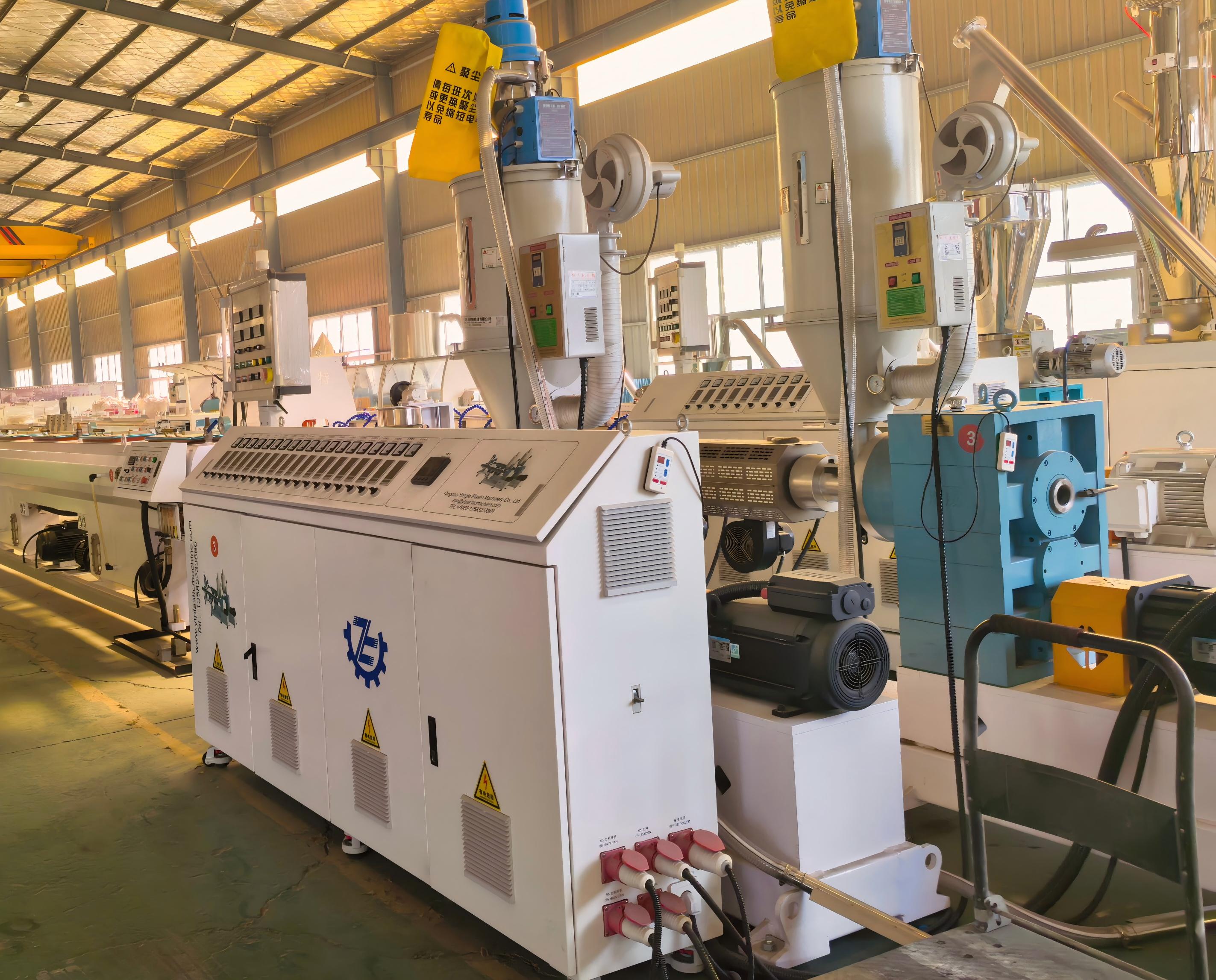

Best Wood Plastic Machine: Ultimate Guide to Efficient Composite Material Production
2026-03-25
In the world of composite material production, the quest for the best wood plastic machine is more than just a technical pursuit—it’s a journey toward innovation, sustainability, and efficiency. As industries increasingly turn to eco-friendly alternatives, wood plastic composites (WPCs) have emerged as a game-changer, blending natural aesthetics with durable performance. At Yongte, we understand that choosing the right machinery isn’t just about specs; it’s about transforming raw materials into products that meet today’s demands while paving the way for a greener tomorrow. This guide dives deep into what makes a wood plastic machine truly exceptional, offering insights to help you streamline production, reduce waste, and elevate your output. Whether you’re a seasoned manufacturer or exploring WPCs for the first time, get ready to uncover the secrets behind efficient composite material production that can set your projects apart.
Discover the Benefits of Wood Plastic Composite Technology
Imagine a material that combines the timeless beauty of wood with the durability of plastic—that's wood plastic composite (WPC) technology. It's not just about blending sawdust and polymers; it's about crafting a versatile solution that shrugs off moisture, insects, and rot, making it ideal for outdoor decks, fences, and furniture. Unlike traditional wood, which can warp or splinter over time, WPC offers consistent performance and requires minimal upkeep, saving homeowners from the hassle of frequent staining or sealing. With options that mimic the grain of cedar or the smooth finish of hardwood, it brings aesthetic appeal without the environmental guilt, often using recycled materials to reduce waste.
What sets WPC apart in crowded markets is its ability to tackle real-world challenges head-on. For instance, in coastal areas where salt and humidity wreak havoc on conventional timber, WPC stands resilient, resisting corrosion and fading. It's engineered for longevity, often lasting decades with little more than an occasional wash, making it a cost-effective choice over the long run. Plus, its manufacturing process allows for creative customisation—think vibrant colours or unique textures—enabling designers to push boundaries in architecture and landscaping. This fusion of practicality and innovation is why many are turning to WPC as a smart alternative.
Beyond durability, WPC technology champions sustainability in subtle ways. By repurposing wood fibers and plastics that might otherwise end up in landfills, it helps close the loop on waste. The technology also supports energy efficiency in production compared to processing virgin timber, and its long lifespan means fewer replacements, further cutting down resource use. Whether you're building a cozy backyard patio or a commercial boardwalk, WPC delivers a reliable, eco-conscious option that adapts to diverse climates and styles, proving that modern materials can indeed blend form, function, and environmental care.
How to Select the Right WPC Machine for Your Production Needs
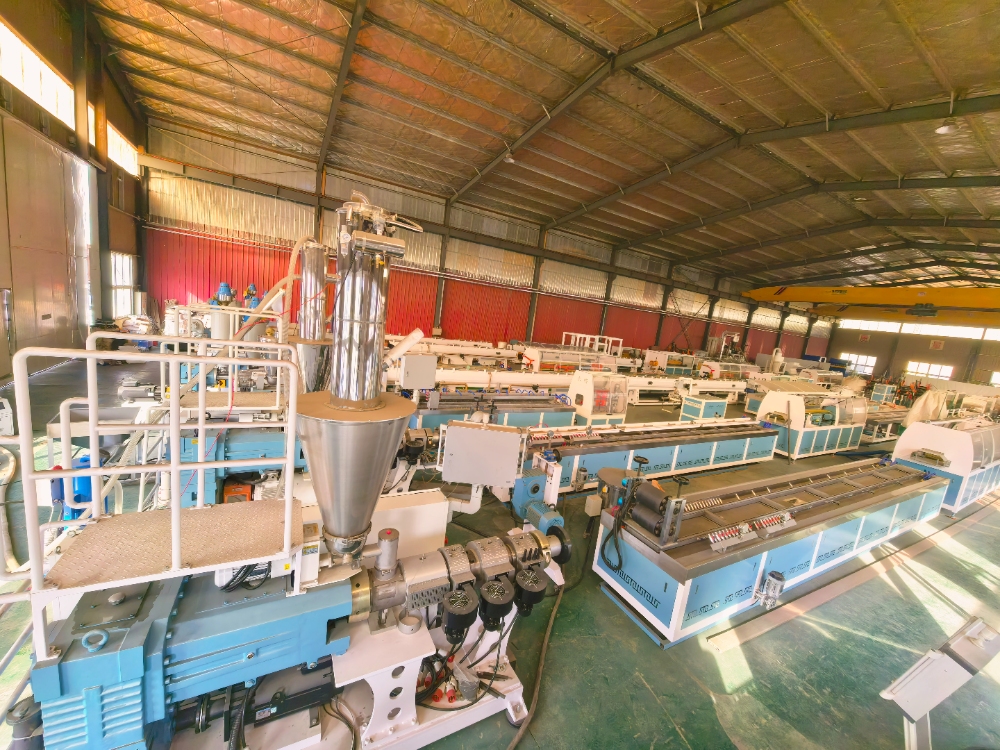
Choosing the ideal WPC machine can feel overwhelming with so many options out there, but it boils down to aligning the equipment with your specific output goals and material requirements. Start by assessing your production volume—whether you're running a small workshop or a large-scale factory, the machine's capacity should match your daily or weekly targets without overstretching your budget. Don't just go for the biggest model; instead, consider factors like energy efficiency and maintenance needs, which can impact long-term costs and downtime. By focusing on your unique workflow, you can narrow down choices to machines that truly fit, avoiding costly mismatches that slow down operations.
Another key aspect is the versatility of the WPC machine in handling different raw materials and finished products. Look for models that offer adjustable settings for thickness, density, and profiles, as this flexibility allows you to adapt to market trends or custom orders without needing new equipment. Test the machine's compatibility with various wood-plastic composites, ensuring it can process both standard and eco-friendly blends smoothly. Additionally, check for user-friendly controls and safety features that reduce training time and enhance operator comfort, making the investment more productive from day one.
Finally, delve into the after-sales support and reputation of the manufacturer before making a decision. A reliable supplier provides not just the machine but also technical assistance, spare parts availability, and training resources, which are crucial for minimizing disruptions. Read reviews from other users in similar industries to gauge real-world performance and reliability. By taking a holistic approach that balances technical specs with practical support, you'll secure a WPC machine that boosts efficiency and grows with your business over time.
Step-by-Step Guide to Operating Composite Material Machinery
Operating composite material machinery requires a meticulous approach to ensure both safety and optimal performance. Start by conducting a thorough pre-operation check, examining all components like molds, cutting tools, and heating systems for any signs of wear or damage. Verify that the material feed systems are clear and calibrated according to the specific composite type, such as carbon fiber or fiberglass, to prevent clogs or inconsistencies during processing. This initial step sets the foundation for a smooth workflow and minimizes the risk of costly downtime due to equipment failure, making it essential for maintaining efficiency in high-stakes manufacturing environments.
Once the machinery is prepared, proceed with the setup phase by adjusting parameters like temperature, pressure, and curing time based on the composite's specifications. For instance, when working with epoxy-based materials, ensure the heating elements reach the precise temperature range to facilitate proper polymerization without causing degradation. Load the composite materials carefully into the designated hoppers or trays, using protective gear to handle sharp edges or toxic resins. This hands-on stage demands attention to detail, as even minor deviations can affect the final product's structural integrity, highlighting the need for operator expertise and adherence to manufacturer guidelines.
During operation, monitor the machinery continuously for any anomalies, such as unusual vibrations or fluctuations in output, and be ready to make real-time adjustments. Implement a systematic shutdown procedure after completing the job, which includes cooling down components, cleaning residual materials to prevent contamination, and logging performance data for future reference. Regular maintenance, like lubricating moving parts and replacing worn seals, should follow to extend the equipment's lifespan and ensure repeatability in composite fabrication. By integrating these steps, operators can achieve consistent, high-quality results while fostering a safe and productive workspace tailored to advanced material processing.
Key Features and Innovations in Modern WPC Equipment
Modern WPC equipment has revolutionized composite manufacturing by integrating advanced automation and precision control systems, ensuring consistent quality and reducing manual intervention. Innovations include real-time monitoring sensors that track temperature, pressure, and moisture levels throughout the production process, enhancing product durability and minimizing waste. Additionally, these machines often feature modular designs, allowing for quick adjustments to handle various wood types and plastic ratios, which boosts versatility and efficiency in diverse industrial settings.
A standout innovation in recent WPC equipment is the adoption of AI-driven predictive maintenance, which analyzes equipment data to foresee potential failures before they occur, slashing downtime and maintenance costs. This, combined with energy-efficient technologies like variable speed drives and heat recovery systems, not only lowers operational expenses but also aligns with sustainability goals by reducing carbon footprints. Such smart features empower manufacturers to optimize outputs while staying competitive in an eco-conscious market.
Furthermore, modern WPC machines incorporate user-friendly interfaces with intuitive touchscreens and remote operation capabilities, enabling operators to manage processes seamlessly from anywhere. Enhanced safety mechanisms, such as automated emergency stops and improved ventilation, ensure a safer working environment. These advancements collectively push the boundaries of what's possible in composite production, making modern WPC equipment a cornerstone for innovation in industries ranging from construction to furniture.
Tips for Maximizing Efficiency and Output with Your Machine
To truly boost your machine's performance, start by fine-tuning its maintenance routine. Regular cleaning and timely upgrades aren't just chores—they're investments that pay off with smoother operation and fewer unexpected downtimes. Think of it as giving your equipment the care it deserves, ensuring it runs at peak capacity without hiccups.
Another key aspect is optimizing workflows by integrating smart automation tools. Instead of sticking to manual processes, explore software that can handle repetitive tasks autonomously, freeing up your time for more strategic endeavors. This shift not only accelerates output but also reduces human error, making your operations more reliable and efficient in the long run.
Don't overlook the power of data-driven adjustments. By monitoring your machine's performance metrics closely, you can pinpoint bottlenecks and make informed tweaks to settings or schedules. This proactive approach allows you to adapt to changing demands, keeping your productivity on an upward trajectory without guesswork.
Future Trends and Advancements in Composite Material Production
Composite material production is poised for transformative shifts as industries increasingly demand lightweight yet durable solutions. A key trend involves the integration of nanotechnology, where adding carbon nanotubes or graphene enhances properties like strength and thermal conductivity. This isn't just about making materials stronger; it's enabling smart composites with embedded sensors that monitor structural health in real-time, reducing maintenance costs in aerospace and automotive sectors.
Advancements in manufacturing processes are accelerating, with 3D printing emerging as a game-changer for composites. Unlike traditional methods, additive manufacturing allows for intricate, customized designs with minimal waste, pushing boundaries in prototyping and small-batch production. Coupled with automated fiber placement and robotic layup, these innovations boost efficiency, making composites more accessible for applications from consumer electronics to renewable energy infrastructure.
Sustainability is reshaping the landscape, driving research into biodegradable and recyclable composites. Materials derived from natural fibers or bio-based resins are gaining traction, addressing environmental concerns without compromising performance. As regulations tighten and circular economy principles take hold, expect more eco-friendly composites to hit the market, blending innovation with responsibility for a greener future.
FAQ
A Wood Plastic Composite (WPC) machine processes a blend of wood fibers and thermoplastics into durable composite materials. It typically involves extruding the mixture under high pressure and temperature, which melts the plastic and binds it with wood to form profiles like decking or fencing.
Selecting the best WPC machine depends on factors like output capacity, material compatibility, automation level, and budget. Evaluate machines based on their energy efficiency, ease of maintenance, and customization options to match your specific production scale and product types.
Modern WPC machines boost efficiency through advanced screw designs for better mixing, precise temperature control systems, and automated feeding mechanisms. These features reduce waste, enhance material consistency, and speed up production cycles compared to older models.
Yes, most WPC machines are versatile and can process various thermoplastics like polyethylene or polypropylene, along with different wood fibers such as sawdust or rice husks. However, check the machine's specifications to ensure compatibility with your chosen materials.
Regular maintenance includes cleaning screws and barrels to prevent residue buildup, lubricating moving parts, inspecting heating elements, and calibrating controls. Following the manufacturer's guidelines helps prolong machine life and maintain product quality.
Operating a WPC machine may have higher initial costs due to energy use and material inputs, but it often proves more cost-effective long-term by reducing material waste, enabling faster production, and creating durable products that require less maintenance than pure wood.
Conclusion
Wood Plastic Composite (WPC) technology represents a significant leap in material production, blending the durability of plastic with the natural aesthetic of wood to create versatile, eco-friendly composites. By exploring the benefits of WPC technology, such as reduced maintenance, weather resistance, and sustainability, manufacturers can leverage these materials for diverse applications. The guide further emphasizes the importance of selecting the right WPC machine tailored to specific production needs, ensuring optimal performance and cost-efficiency. Key features and innovations in modern equipment, including advanced extrusion systems and automated controls, are highlighted to enhance material consistency and adaptability. This holistic approach helps users maximize efficiency and output, paving the way for more streamlined operations in composite material production.
In addition to immediate benefits, the guide provides a step-by-step guide to operating composite material machinery, focusing on safe and effective techniques from setup to maintenance. Practical tips for maximizing efficiency, such as optimizing material ratios and minimizing waste, are integrated to boost productivity. Looking ahead, future trends and advancements in composite material production, such as enhanced recycling methods and smart manufacturing technologies, are discussed to anticipate industry evolution. This comprehensive overview not only addresses current best practices but also prepares users for upcoming innovations, ensuring they stay competitive in a dynamic market. By combining operational insights with forward-thinking strategies, this ultimate guide serves as an essential resource for achieving excellence in wood plastic composite production.
Contact Us
Contact Person: Ms Qin
Email: [email protected]
Tel/WhatsApp: 8613583233866
Website: https://www.yongteplast.com