Best Quality Waterproof Webbing for Durable Outdoor and Marine Applications
2026-09-26
Saltwater, sun, and constant load—most webbing gives up long before your gear does. That’s where YONGFENG waterproof webbing changes the equation. Engineered for marine rigging, outdoor packs, and anything exposed to the elements, it stays strong, flexible, and fade-free when ordinary straps fail. Curious how? Read on.
What Actually Makes Webbing Waterproof Enough for Marine Use?
The secret isn't a single coating slapped on at the end—it's a layered approach that starts with the yarn itself. Marine-grade webbing typically begins with synthetic fibers like polypropylene or solution-dyed polyester, which naturally repel water at the molecular level rather than absorbing it like cotton or nylon. But raw fiber alone won't survive constant salt spray and wave impact. That's where a tight, high-density weave comes in: the closer the fibers pack together, the fewer microscopic gaps remain for water to creep into. Think of it as building a wall where every brick is already hydrophobic, then squeezing them together until the mortar practically disappears.
On top of that structural defense, most marine webbing goes through an immersion or coating process using compounds like PVC, urethane, or silicone-based treatments. These don't just sit on the surface—they penetrate into the weave, filling leftover voids and creating a continuous barrier that beads water on contact. The real test is what happens after days of UV exposure, flexing around cleats, and rubbing against rough deck edges. A cheap spray-on waterproofing might pass the first splash test, but it cracks and delaminates quickly. Quality marine webbing is engineered so the treatment bonds with the fiber at a near-chemical level, so the waterproofing moves and wears with the material instead of flaking off.
However, "waterproof" in marine use rarely means absolutely zero moisture transfer. It means the webbing won't saturate, won't get heavy with absorbed water, and won't become a breeding ground for mildew or rot. The real-world benchmark is how fast it sheds water under pressure—imagine a line running through a block under load while seawater sprays across it. If the weave stays tight and the coating intact, water simply rolls off, and the webbing retains its strength and flexibility. That combination of fiber choice, weave density, and durable treatment is what separates a strap that merely resists water from one that genuinely thrives in it.
The Hidden Weak Points in Standard Outdoor Webbing
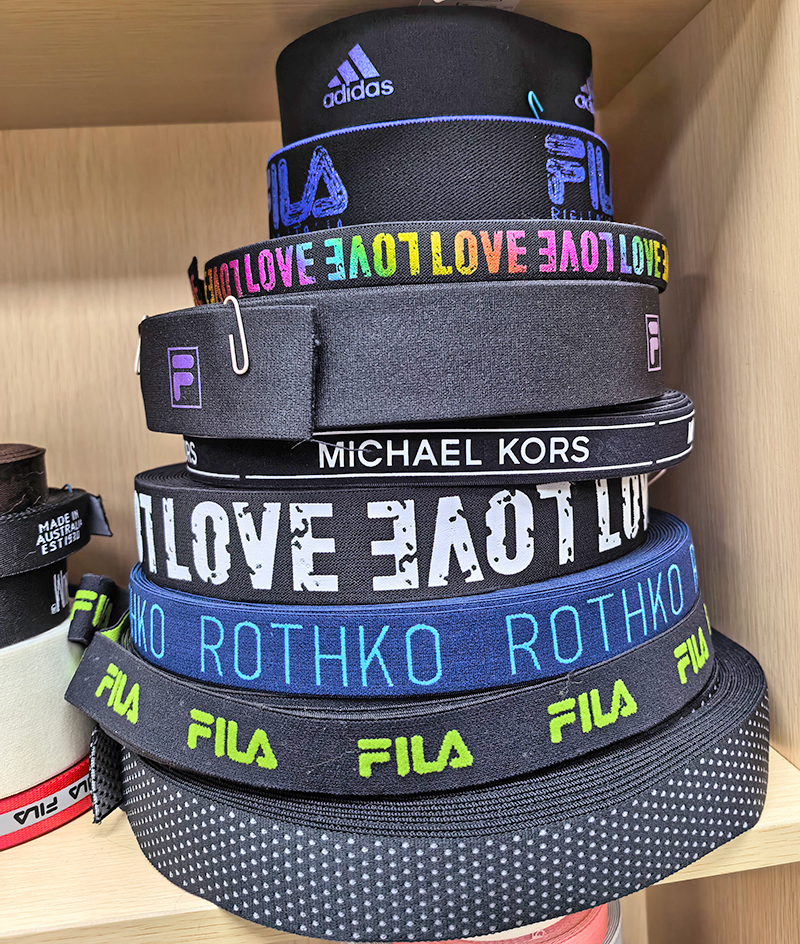
Most people trust their webbing until it fails, but the real trouble often starts where you can't see it. UV exposure slowly breaks down nylon fibers, leaving the surface brittle and faded long before the core loses strength. A quick visual check won't catch this—you need to flex the material and listen for a crackling sound, which signals internal fiber damage. Dyed webbing, especially dark colors, can hide abrasion and chemical contamination that eats away at load-bearing threads.
Another overlooked weak point is the stitching. Every needle hole creates a stress riser, and if the thread is polyester while the webbing is nylon, differential stretch under load causes the seam to work itself loose over time. Water absorption makes it worse: wet nylon can lose up to 15% of its rated strength, and repeated freeze-thaw cycles expand those tiny gaps. For critical rigging, it's worth retiring webbing after any hard fall or visible edge wear, not just after the manufacturer's suggested lifespan.
How to Spot High-Quality Webbing Before You Buy
Run your thumb along the edge before checking anything else. Cheap webbing often has a fuzzy, uneven selvedge that frays after a few washes or heavy use. Quality nylon or polyester webbing feels dense under pressure—almost like a flattened ribbon rather than a loose mesh. Give it a sharp tug; if the weave visibly separates or you hear faint crackling from loose fibers, that’s a red flag. Also compare the thickness in multiple spots. Inconsistent thickness usually means the mill rushed the weaving or blended in lower-grade yarn.
Next, fold a short section back on itself and press hard. High-quality webbing springs back without leaving a permanent crease, while budget material tends to stay folded or shows white stress lines at the bend. If you can, ask for a small sample and rub it against a rough surface like denim or concrete. Abrasion resistance matters more than softness, and a few seconds of friction will tell you more than any label. Watch for pilling or melted-looking spots—those reveal shortcuts in yarn treatment.
Finally, check the color saturation and cut edge. Dull or streaky color often means the dye didn’t penetrate evenly, which can hide weak spots. A clean, heat-sealed cut that doesn’t unravel when scraped with a fingernail is a good sign. For load-bearing uses, look for a tight, balanced weave with no visible gaps when held up to light. If the seller can’t tell you the breaking strength or material blend without reading the package, assume it’s not built for real work.
UV Damage and Saltwater: The Two Biggest Threats to Durability
Most outdoor gear doesn’t die from one dramatic storm. It gets eaten away by the daily combination of ultraviolet light and salt residue. UV rays break down synthetic coatings on nylon, polyester, and vinyl, leaving the base fibers brittle and chalky. Add saltwater, and the damage multiplies—salt crystals cling to surfaces, pull in moisture from the air, and keep the material damp long after the sun comes out. That constant wet-dry cycle is where rot and corrosion start.
The two threats work together in ways that surprise people. A fabric that survives a summer in the mountains can fall apart after three months on a boat deck. The reason? Salt acts as an abrasive once UV has already weakened the outer layer. Every breeze rubs those tiny crystals against the fibers, opening micro-tears that let more salt and water inside. Before long, zippers seize, seams split, and colors fade to a pale ghost of what they were.
There’s no shortcut to beating both, but the rule is simple: rinse gear with fresh water after salt exposure and never store it while it’s still damp. Look for materials rated for marine use, with built-in UV stabilizers and corrosion-resistant hardware. If a product can’t handle both sunlight and salt at once, it won’t last long enough to matter.
Why Weave Density Matters More Than You Think
Most people glance at a fabric and judge it by color or softness, but the real story is in how tightly the threads are packed together. A higher weave density doesn't just make the material feel denser—it changes how it breathes, drapes, and wears over time. That shirt that pills after three washes? Likely the yarns had too much space between them.
Think of weave density as the fabric's backbone. Tightly woven cotton, for instance, resists pilling and holds its shape far longer than a loose, gauzy version. It also blocks more wind and light, which is why high-thread-count sheets feel smoother and why canvas tents outperform cheap mesh ones in a drizzle.
But density isn't about cramming in as many threads as possible—there's a sweet spot. Overdo it and the fabric becomes stiff, less breathable, and prone to trapping moisture. Underdo it and you get snags, transparency, and early fraying. The difference shows up in the details: cuff edges that stay crisp, pillowcases that don't turn rough, and jackets that still look new after a year of commuting.
Real-World Scenarios Where Waterproof Webbing Saves the Day
Kayakers paddling through choppy coastal waters rely on gear that can handle constant splashing and the occasional roll. Waterproof webbing used in deck rigging and rescue straps doesn't soak up water, so it stays lightweight and grippy even after hours of exposure. When someone capsizes and needs a quick assist, the dry webbing provides a dependable handhold that won't slip or become waterlogged mid-rescue.
Hikers caught in a sudden mountain downpour often find their pack straps and lash points turning into heavy, sodden messes. With waterproof webbing, those same straps shed rain instead of absorbing it, keeping the pack's weight stable and preventing mildew smells later. Trail runners who cross streams or run through wet brush also benefit from shoe laces and gaiters made with this material, since they dry fast and don't chafe when wet.
Even everyday situations like securing gear to a car roof rack during a storm show the value of waterproof webbing. Regular nylon straps can stretch and loosen as they soak up water, but waterproof variants stay tight and predictable. Dog owners who walk their pets near lakes or in rainy climates often switch to leashes and collars made from the same material, avoiding the stiff, musty feel that comes from repeated soakings.
FAQ
Most marine-grade waterproof webbing uses either polypropylene with a sealed surface or nylon with a silicone, PVC, or TPU coating. Polypropylene naturally repels water and floats, but it breaks down faster under strong sunlight. Coated nylon offers higher tensile strength and better abrasion resistance, while a TPU laminate stays flexible even in cold water. For heavy saltwater use, look for a tight weave that prevents salt crystals from getting trapped between fibers.
Standard webbing absorbs water quickly, becomes heavy, and can develop mold or mildew inside the fibers. Waterproof webbing is treated so moisture rolls off or cannot penetrate the weave. In freezing weather, standard webbing turns stiff and can actually snap under load once ice forms inside it. Waterproof versions keep their flexibility and dry much faster, which matters when you are packing away wet gear on a boat.
Yes, but only if the product lists a clear breaking strength or working load limit. Never assume a waterproof coating adds strength; it only protects the base fibers. Always leave a safety margin of at least three to five times the expected load. After heavy exposure to saltwater, rinse the webbing and inspect stitches and hardware for hidden corrosion or wear before relying on it again.
Rinse it with fresh water and let it air-dry out of direct sunlight. Do not machine wash or put it in a dryer, because heat and agitation can crack the waterproof layer. If the webbing feels stiff from dried salt, soak it in lukewarm water for ten minutes and gently flex it. A periodic spray-on UV protectant designed for marine fabrics can extend its life, but avoid heavy oils that clog the weave.
High-quality versions include UV inhibitors in the coating or fiber, but no webbing is completely immune to sunlight. Darker colors tend to hold up better against UV rays, though they absorb more heat. For prolonged outdoor use, choose a webbing with a stated UV resistance rating and plan to replace it every few seasons if it stays in direct sun daily.
It depends on the coating type. Hard PVC coatings can crack in cold temperatures or after sharp folds, while silicone or TPU treatments remain flexible. Rough handling against metal hardware will eventually wear any coating down to the base fabric. To avoid premature cracking, store the webbing loosely coiled rather than tightly folded, and avoid dragging it over rough edges.
Every needle hole creates a path for water to enter, so limit stitching in areas that must stay dry. Use a hot knife to seal cut ends before sewing, and apply a waterproof seam sealer over stitch lines afterward. For critical applications like dry bags or marine covers, consider welding or using rivets and buckles instead of sewing through the flattened webbing.
Most marine uses fall between three-quarter inch and two inches in width, with thickness around one to one and a half millimeters. Thinner webbing works for straps and light lashing, while two-inch or wider webbing handles heavier loads and spreads pressure better against boat surfaces. Always match the webbing width to your D-rings or cam buckles to avoid slippage and uneven wear.
Conclusion
The real difference in waterproof webbing isn't just a coating that makes water bead on the outside. It starts with how the yarn is treated before weaving and how tightly it's packed. In marine use, standard webbing usually fails at the stitch holes or anywhere abrasion exposes the untreated core, letting moisture and salt soak in. The good stuff uses solution-dyed or impregnated polyester or nylon, so the water resistance is part of the fiber itself, not something that wears off. You can actually check this at the cut end—if the inner threads are pale or chalky compared to the surface, it's only a surface finish. A quick squeeze also tells you a lot: loose, spongy webbing has low weave density, which traps water and grit and turns into mildew or rot.
UV and saltwater are what really destroy outdoor webbing over time. Cheap material gets brittle and faded within a season, while quality webbing stays flexible because the fibers don't crack under sunlight or hold salt crystals that grind away at the weave every time the strap flexes. Think about real situations—tying down a boat cover, securing kayaks on a roof rack, rigging a rescue line, or hanging outdoor furniture. The difference shows up months later when good webbing is still soft and strong at the buckle, while the cheap stuff has stiffened or snapped. A tight, even weave also means water can't pool inside, so it dries faster and doesn't develop that salty crust. When you're buying, look for a consistent color through the core, a dense and uniform weave, and a slightly smooth hand feel. That's what separates gear that lasts from gear that lets you down.
Contact Us
Contact Person: Mr Deng
Email: [email protected]
Tel/WhatsApp: +86-18926872657
Website: https://www.uniyongfeng.com/