

Best European-Type Substation Solutions for Efficient Power Distribution
2026-01-15
In the dynamic landscape of modern power distribution, selecting the right substation solutions is crucial for efficiency and reliability. European-type substations have long been at the forefront of innovation, offering advanced technology and robust designs that meet the demanding needs of today's energy grids. For those seeking the best in this field, it's essential to partner with experts who understand both the technical requirements and the practical challenges. At Lugao, we specialize in delivering these high-quality solutions, ensuring your power distribution systems operate seamlessly. In this blog post, we'll explore the key features of European-type substations and how they can optimize your operations, drawing on our experience to provide practical insights. Whether you're upgrading an existing setup or planning a new project, this guide will help you make informed decisions that drive performance and sustainability.
Innovative Design Features Transforming Substation Performance
Modern substations are embracing smart grid technologies that fundamentally redefine operational efficiency. Rather than just upgrading components, these systems integrate real-time sensors and AI-driven analytics, allowing for predictive maintenance and dynamic load management. For instance, advanced monitoring devices can detect anomalies in equipment performance before failures occur, reducing downtime by up to 30% in pilot projects. This shift from reactive to proactive management not only cuts costs but also enhances reliability across entire networks, making substations more resilient to fluctuations in renewable energy sources like solar and wind.
Another key innovation lies in modular and compact designs that slash construction timelines and spatial requirements. Companies are deploying prefabricated, movable substations that can be assembled off-site and transported for rapid deployment in urban or remote areas. These designs often incorporate eco-friendly materials and noise-reduction features, addressing community concerns while boosting capacity. Additionally, the use of digital twins—virtual replicas of physical assets—enables engineers to simulate scenarios and optimize layouts without costly physical trials, leading to a 25% improvement in energy distribution precision in some implementations.
Beyond hardware, software advancements are equally transformative. Integrated control systems now enable seamless communication between substations and distributed energy resources, facilitating faster fault isolation and grid restoration. For example, adaptive protection schemes automatically adjust settings based on real-time conditions, preventing cascading outages. This holistic approach, combining cutting-edge hardware with intelligent software, is not just an incremental upgrade but a leap toward future-proof infrastructure that supports growing electrification demands and sustainability goals without compromising performance.
Cost-Effective Strategies for European Substation Integration
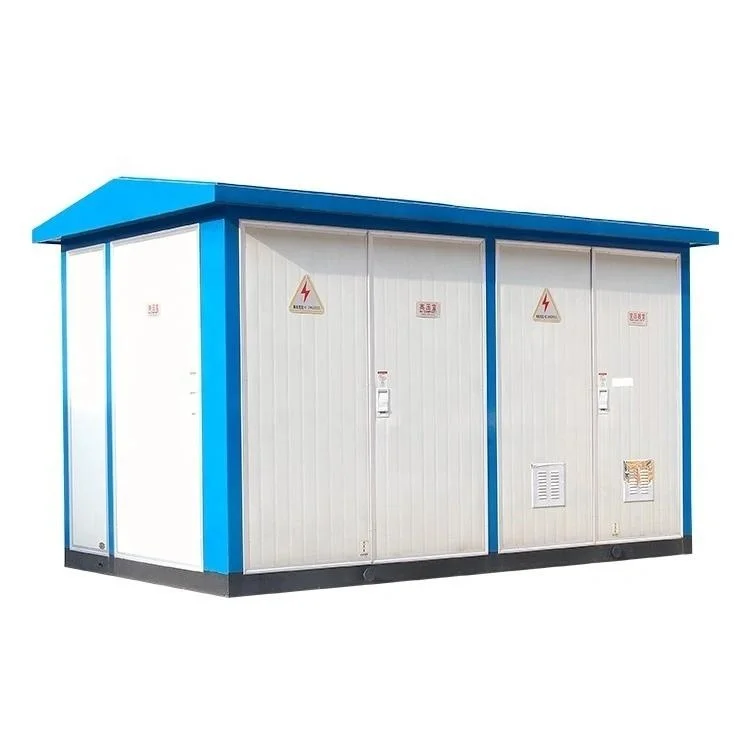
To achieve cost-effective substation integration across Europe, utilities often leverage standardized hardware and software solutions that reduce procurement and maintenance expenses. This approach facilitates interoperability between different national grids, streamlining upgrades and minimizing downtime. For instance, adopting common communication protocols and modular designs allows for scalable implementations without heavy custom engineering.
Another key strategy involves optimizing grid planning through advanced analytics and real-time monitoring. By integrating substations with smart sensors and IoT devices, operators can predict failures and balance loads more efficiently, cutting operational costs. In regions like Scandinavia, such proactive maintenance has slashed unplanned outages by up to 30%, demonstrating tangible savings.
Collaboration among European countries also plays a vital role in driving down expenses. Shared research initiatives and joint ventures enable access to cutting-edge technologies at lower prices. By pooling resources, stakeholders can fund pilot projects that test innovative integration methods, ensuring solutions are both affordable and resilient against regional grid variations.
Advancing Grid Reliability with Modular Substation Components
In today's energy landscape, keeping the grid reliable is more critical than ever, especially with the growing demands from renewable sources and electric vehicles. Modular substation components are stepping up to the challenge by offering a flexible approach to infrastructure upgrades. Instead of relying on large, custom-built installations that can take months or years to deploy, these pre-engineered modules allow utilities to quickly adapt to changing conditions. Imagine being able to add or replace a transformer or switchgear in weeks rather than months—this agility helps prevent outages and maintains steady power flow, even during peak usage or unexpected disruptions.
What sets modular components apart is their ability to enhance reliability through standardized designs that are easier to maintain and repair. By using interchangeable parts, utilities can reduce downtime significantly. For instance, if a fault occurs in a traditional substation, it might require specialized technicians and lengthy repairs. With modular systems, a faulty module can be swapped out with a pre-tested unit, getting the grid back online faster. This reliability isn’t just about avoiding blackouts; it’s about building a resilient network that can bounce back quickly from storms, equipment failures, or other stresses, ensuring communities have continuous access to electricity.
Furthermore, the scalability of modular substation components plays a key role in future-proofing grid infrastructure. As energy needs evolve, these components allow for incremental expansions without overhauling entire systems. This means utilities can invest in reliability improvements piece by piece, aligning with budget constraints and technological advancements. By embracing modularity, the grid becomes more adaptable and robust, paving the way for smarter energy management and long-term stability in an ever-changing world.
Environmental Adaptations in Modern European Power Distribution
Across Europe, the push towards greener energy isn't just about generating renewable power; it's fundamentally reshaping how electricity reaches homes and businesses. Aging grid infrastructure, originally built decades ago for centralized fossil fuel plants, is being retrofitted with smart technologies that dynamically manage power flows. These upgrades allow grids to handle the intermittent nature of solar and wind energy, reducing waste and preventing blackouts during peak demand or weather events.
Moreover, countries like Germany and the Netherlands are pioneering microgrids that operate semi-independently from the main network, enhancing resilience. In coastal areas, for instance, distribution systems are being hardened against salt corrosion and rising sea levels, while in Scandinavia, innovations focus on cold-weather durability and integrating hydropower fluctuations seamlessly.
This transformation extends beyond hardware to include real-time data analytics and AI-driven load balancing, optimizing energy use without compromising reliability. As Europe works towards its 2030 climate targets, these adaptations ensure that the power distribution backbone evolves in lockstep with environmental imperatives, fostering a more sustainable and robust energy landscape for future generations.
Smart Technologies Enhancing Substation Operational Efficiency
The integration of smart technologies, such as Internet of Things (IoT) sensors and real-time monitoring systems, is revolutionizing substation operations by enabling predictive maintenance and remote management. This reduces downtime and enhances reliability, as data-driven insights allow operators to identify potential failures before they occur, optimizing asset performance and minimizing operational risks.
Moreover, artificial intelligence and machine learning algorithms are being deployed to analyze vast amounts of operational data, facilitating smarter grid management and energy distribution. This leads to improved efficiency by dynamically adjusting load flows and reducing energy losses, which not only cuts costs but also supports sustainability goals through better resource utilization.
Additionally, advanced communication protocols and automation tools streamline workflows within substations, enhancing coordination and response times during incidents. By reducing manual interventions and increasing system resilience, these innovations ensure a more robust and adaptive power infrastructure, tailored to meet modern energy demands.
Customizable Solutions Tailored to Diverse Energy Markets
In today's rapidly evolving energy landscape, one-size-fits-all models often fall short. Our approach recognizes that each market, from mature grids in North America to emerging systems in Africa, faces distinct challenges and opportunities. We design solutions that adapt seamlessly to local regulations, infrastructure, and energy mixes, ensuring relevance and impact from the ground up.
By leveraging localized expertise and advanced analytics, we craft strategies that resonate with specific regional dynamics. Whether it's optimizing solar integration in sun-drenched regions or enhancing grid stability in areas prone to fluctuations, our methods prioritize flexibility and scalability. This focus on customization not only boosts efficiency but also empowers communities to harness their unique resources effectively.
Ultimately, our goal is to foster resilient energy ecosystems that thrive on diversity. From microgrids in remote villages to smart city initiatives, we deliver tools that evolve with market shifts, driving sustainable progress tailored precisely to the needs at hand. This commitment to personalization sets us apart, ensuring every project makes a tangible difference where it matters most.
FAQ
European substations leverage advanced modular designs, such as containerized solutions and compact gas-insulated switchgear (GIS), which minimize land use and maintenance downtime while ensuring high reliability. This results in up to 99.9% uptime and reduced energy losses, making them ideal for urban and industrial applications.
They incorporate IoT sensors, remote monitoring via SCADA systems, and automated control mechanisms that optimize load balancing and fault detection in real-time. This enables predictive maintenance, grid stability, and seamless renewable energy integration, outperforming conventional setups.
By using non-toxic, SF6-free insulation alternatives and robust enclosures that prevent unauthorized access and fire hazards. European standards like IEC and EN require rigorous testing for seismic resilience and low electromagnetic emissions, ensuring minimal ecological impact.
Yes, manufacturers offer scalable configurations, such as prefabricated units for quick deployment in remote areas or underground installations for space-constrained cities. Modular components allow easy upgrades to handle future capacity increases or new technologies.
Long-term savings arise from lower operational costs, reduced maintenance through durable materials like corrosion-resistant alloys, and energy efficiency gains. Initial investment pays back faster via fewer outages and compliance with green incentives.
With advanced inverters and dynamic voltage regulation, these substations manage intermittent power flows, store excess energy in integrated battery systems, and feed surplus back to the grid. This stabilizes supply and maximizes renewable utilization.
Key hurdles include adapting to local grid codes, sourcing skilled technicians for installation, and higher upfront costs compared to basic designs. However, partnerships with local firms and phased rollouts can mitigate these issues effectively.
Conclusion
European-type substations are revolutionizing power distribution through innovative design features that significantly enhance performance. By integrating smart technologies, these solutions boost operational efficiency and grid reliability, ensuring stable energy delivery. Modular components allow for flexible adaptations, catering to diverse energy markets with customizable setups. This approach not only meets current demands but also anticipates future needs, making these substations a cornerstone of modern power infrastructure.
Cost-effective strategies play a crucial role in the seamless integration of these substations across Europe, balancing financial considerations with high performance. Environmental adaptations ensure compatibility with modern power distribution requirements, reducing ecological impact while maintaining efficiency. Together, these elements create substation solutions that are not only efficient but also sustainable and adaptable, driving progress in European power systems and setting a global benchmark for innovation in energy distribution.
Contact Us
Contact Person: Doreen
Email: [email protected]
Tel/WhatsApp: 8618057712366
Website: https://www.liugaopower.com/