

Best Butterfly Valve Supplier: How to Choose Reliable Manufacturers
2026-05-09
Selecting the right butterfly valve supplier can feel overwhelming—quality, reliability, and technical support all hang in the balance. Whether you're upgrading a water treatment system or optimizing industrial flow control, the manufacturer you choose shapes your project’s long-term success. In this guide, we cut through the noise to show you exactly what to look for, spotlighting key evaluation criteria that go beyond glossy brochures. Along the way, you’ll discover why industry leaders like ZMV earn their reputation through consistent engineering excellence and tailored solutions. Let’s dive into the practical steps that separate genuine experts from the crowd.
Spotting Quality Craftsmanship in Butterfly Valves
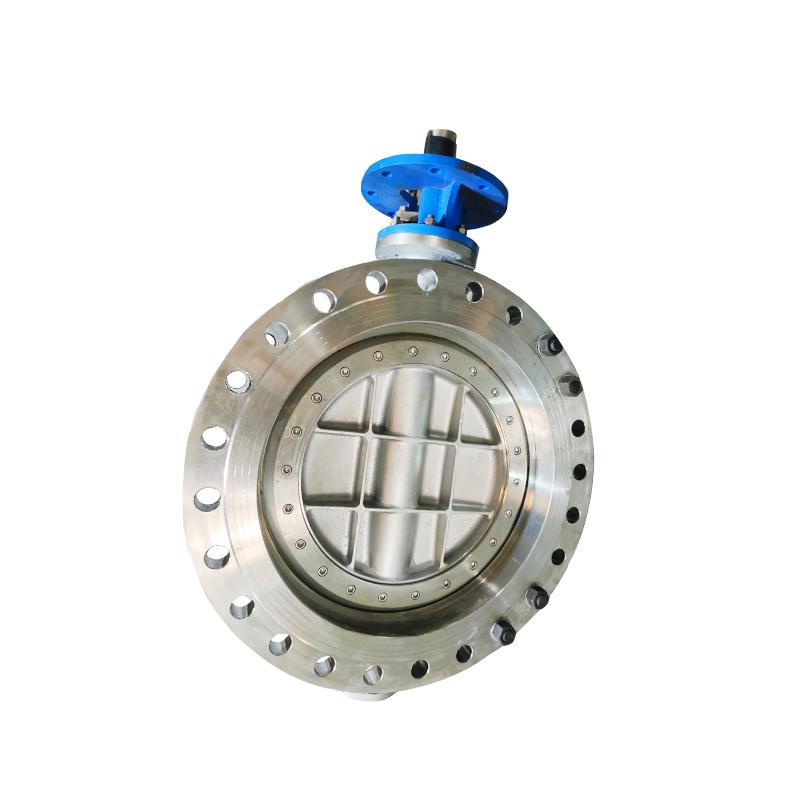
When examining a butterfly valve, the devil is in the details. True craftsmanship reveals itself in the seamless integration of components—how the disc aligns perfectly with the seat, the smoothness of the stem rotation, and the uniformity of the coating. A well‑made valve often carries subtle marks of hand‑finishing, like polished edges on the disc or a meticulously welded body joint that you don’t see on mass‑produced units. It’s the kind of precision that makes installation effortless and operation silky, a far cry from the stiff, irregular movement of a lesser valve.
Beyond the surface, material choice and testing set exceptional valves apart. Look for signs of thorough non‑destructive examination—dye penetrant inspection on castings or pressure test stamps that aren’t hidden under thick paint. In high‑grade valves, the stem is typically a duplex or 17‑4 PH stainless steel, resilient and ground to a fine finish. If you tap the body, a quality casting rings true, while a porous one sounds flat. Even the packaging often tells a story: custom‑cut foam inserts and protective flange covers hint at a manufacturer that cares about the valve’s journey from factory floor to your pipeline.
Lastly, consider the documentation as part of the product. A quality‑crafted valve comes with more than a generic datasheet—it arrives with traceable material certifications, detailed torque curves, and cycle‑testing reports that prove its endurance. The actuator mounting flange, if present, should be machined to ISO 5211 standards without visible tool marks. These are the quiet hallmarks of a valve built by people who treat it as more than a commodity, and spotting them ensures you invest in performance, not just a commodity with a low price tag.
Evaluating Manufacturer Certifications and Standards
When assessing a manufacturer's credibility, certifications offer more than just a piece of paper. They indicate that an independent body has scrutinized processes, materials, and quality controls. Look for industry-recognized marks like ISO 9001 for quality management or ISO 14001 for environmental commitment. However, some certifications are easier to obtain than others, so it's essential to verify the certifying agency's reputation and whether the standard requires periodic renewal. A certification that demands ongoing audits reflects a deeper, more sustained dedication to excellence than a one-time diploma.
In specialized sectors, niche standards carry significant weight. For example, in electronics manufacturing, IPC certifications validate solder workmanship and assembly standards, while in the medical field, ISO 13485 demonstrates compliance with stringent regulatory requirements. Don't be swayed by a long list of generic accolades; instead, focus on those directly relevant to your product's function and safety. A manufacturer's willingness to share detailed audit reports and openly discuss their quality systems is often a stronger indicator of trustworthiness than the certificates themselves.
Beyond international standards, regional and customer-specific certifications can reveal adaptability and specialized capability. A supplier certified to supply automotive components (like IATF 16949) or to meet the ethical standards of a particular buyer shows they've tailored their operations to precise demands. Engage them in conversation about the challenges they've overcome to maintain these credentials—it reveals practical expertise over superficial compliance. Ultimately, evaluating certifications is about understanding the story behind them, not just counting badges.
Assessing Material Durability and Corrosion Resistance
Understanding how a material holds up over time begins with a careful look at its environment. Every material, from metals to polymers, reacts differently to moisture, temperature swings, and chemical exposure. A thorough assessment doesn't just check for surface rust or wear; it probes deeper, examining how microstructural changes can weaken the material from within. This initial stage is often where many overlook subtle signs of degradation, mistaking them for normal aging when they are actually early warnings of imminent failure.
To truly gauge durability, standardized tests are just the starting point. Accelerated weathering chambers can simulate years of exposure in weeks, but they rarely capture the combined effects that real-world conditions impose. Cyclic loading, fluctuating humidity, and the presence of salt or industrial pollutants often work together in ways that a single test can't replicate. That's why field studies and in-situ monitoring have become invaluable, providing data that captures the unpredictable nature of actual service environments.
Ultimately, the choice of material hinges on balancing performance with cost, but cutting corners on durability testing leads to expensive consequences down the line. Engineers are now turning to predictive modeling, using finite element analysis paired with corrosion kinetics, to forecast lifespan with greater accuracy. This shift away from purely empirical methods allows for tailored material selections that account for specific operational stresses, making durability and corrosion resistance less of a guessing game and more of a precise science.
Understanding Customization and Engineering Support
Every project comes with its own set of challenges—whether it’s adapting an existing product to a niche market or building something entirely new from scratch. We don’t just hand over a spec sheet and call it done. Instead, our engineers work directly with your team to understand the underlying goals, constraints, and performance targets. This means we often dive deep into application-specific tuning, from adjusting tolerances for unusual operating conditions to re-thinking material selections that better match your lifecycle expectations. It’s not about offering a massive catalogue of pre-made options, but rather about having the willingness to dig in and create a solution that actually fits.
That approach extends beyond the initial design phase. Engineering support here includes things like on-site troubleshooting, joint performance testing, and real-time adjustments during prototyping. If a particular component behaves differently under load than the simulations predicted, we’ll be in the lab alongside your people, analyzing the data and iterating until it meets the mark. This kind of collaboration tends to catch problems early and often eliminates the back-and-forth that can drain time and resources. We’ve found that the most durable solutions come from treating engineering support as an ongoing dialogue, not a one-time transaction.
Customization doesn’t have to mean long lead times or minimum order quantities that lock you into inventory risks. By combining flexible manufacturing processes with a team that truly enjoys solving unusual technical problems, we’re able to offer tailored configurations without the typical penalties. Whether it’s a modified connector geometry, a custom sealing solution for aggressive media, or a completely re-engineered sub-assembly, the priority stays on making sure the end product works perfectly in your actual application—not just in theory. For us, engineering support is simply the practical expression of that commitment.
Comparing Lead Times and Global Delivery Capabilities
Evaluating lead times across suppliers isn't just about speed—it's about reliability. Some companies promise fast turnaround but stumble when demand spikes or logistics hit snags. Others might take a few extra days but consistently meet deadlines, giving you confidence to plan inventory without constant firefighting.
Global delivery capabilities extend far beyond a carrier tracking number. True strength lies in navigating customs, regional regulations, and last-mile hurdles without leaving you in the dark. A partner with established hubs in key markets can often reroute shipments proactively, while those relying heavily on third parties may lack the agility to adapt when disruptions occur.
Ultimately, the right balance depends on your business profile. A lean startup might prioritize speed to capture market trends, whereas an enterprise with complex supply chains values predictable, multi-regional execution. The best suppliers don't just ship boxes; they shape their entire logistics strategy around how your customers actually receive products.
Checking After-Sales Service and Warranty Terms
Before committing to a purchase, digging into the after-sales support and warranty details can save you from unexpected headaches later. It’s not just about the length of coverage—look for what’s actually included. Some warranties cover parts but not labor, while others might exclude common wear-and-tear items. Contact the seller directly with a few questions about their service process; the speed and clarity of their response often reveal how they’ll treat you when something goes wrong.
Don’t stop at the manufacturer’s warranty. Check if extended plans are available, but weigh the cost against the product’s reliability and typical repair expenses. Pay attention to the claims procedure—some companies require you to ship items back at your own expense, while others offer on-site service. A truly customer-friendly policy makes the process seamless, with clear instructions and multiple support channels, rather than burying you in fine print.
Finally, read between the lines of user reviews mentioning after-sales encounters. A pattern of delayed responses or denied claims is a red flag, even if the initial pitch was glowing. Practical steps like confirming local service center availability and understanding turnaround times can prevent that sinking feeling of being left stranded with a faulty product. Trust brands that treat post-purchase care as a priority, not an afterthought.
FAQ
A reliable manufacturer usually demonstrates consistent product quality, holds internationally recognized certifications like ISO 9001, and has a solid track record of supplying to reputable projects. Look for transparency in their material sourcing and production processes, as well as positive feedback from long-term clients.
Material selection directly impacts valve longevity and performance. For example, stainless steel bodies resist corrosion in harsh environments, while EPDM or PTFE seats determine chemical compatibility and temperature limits. A trustworthy supplier will guide you through matching materials to your specific media and operating conditions.
Certifications like API 609, ISO 9001, and CE marking indicate a manufacturer’s commitment to quality management and product standards. They also simplify compliance with regional regulations and are often a prerequisite for projects in sectors like oil and gas or water treatment.
Request detailed documentation such as factory profiles, equipment lists, and sample test reports. Virtual tours via video calls or third-party inspection services can also provide insight. Reliable suppliers are usually open to sharing such information and may even offer references from existing clients.
Good after-sales support includes technical assistance for installation and maintenance, warranty policies that cover defects, and responsive handling of any issues. Some manufacturers also provide on-site training or spare parts packages to minimize downtime.
Ask about their testing protocols: Do they perform pressure tests, dimensional checks, and material certifications for each batch? Inquire about non-destructive testing methods and whether they have an in-house lab. A detailed answer reveals a lot about their commitment to quality.
Focusing solely on price often leads to compromised quality. Overlooking the supplier’s expertise in a specific application, ignoring lead times, or failing to assess their global logistics support are other pitfalls. Always balance cost with technical capability and service reliability.
Conclusion
Finding a trustworthy butterfly valve supplier goes beyond glossy brochures and bold claims—it demands a clear-eyed look at the product itself. True quality starts with the precision of the casting, the smoothness of the disc seating, and the integrity of the stem and seat alignment. You can often spot superior craftsmanship simply by handling a sample; look for uniform coating, tight shut-off at rated pressure, and the absence of sharp edges that signal rushed manufacturing. But physical inspection alone isn't enough. A dependable manufacturer will openly share their certifications, whether it’s ISO 9001 for quality management, API 609 for valve design, or relevant fire-safe and fugitive emission approvals. They’ll also demonstrate material traceability, proving that the stainless steel, duplex alloys, or specialty elastomers they use match your application’s pressure, temperature, and chemical exposure needs—crucial for avoiding premature failures in demanding environments.
Beyond the hardware, a supplier’s true value emerges through collaboration and consistency. Strong engineering support means they don’t just take your order; they engage with your engineers to fine-tune torque requirements, liners, or actuation interfaces, ensuring the valve integrates seamlessly instead of causing bottlenecks. Customization should feel like a conversation, not a costly add-on. At the same time, reliability is about keeping promises on delivery. Evaluate how transparent they are about their backlog, whether they stock components regionally, and if they have a track record of hitting timelines despite global supply hurdles. After installation, the relationship deepens—prompt technical assistance, clear warranty terms without frustrating loopholes, and the availability of replacement parts separate the partners from the one-time sellers. The best suppliers treat every order as the start of a long-term joint effort to keep your systems running smoothly.
Contact Us
Contact Person: Lucas Lin
Email: [email protected]
Tel/WhatsApp: 8613968913000
Website: https://www.zhengmaogroup.com