

Automatic Transfer Switch: The Best Factory Solutions for Uninterrupted Power Supply
2025-12-24
In today's fast-paced industrial landscape, even a momentary power interruption can disrupt production lines, compromise data integrity, and result in significant financial losses. That's where an Automatic Transfer Switch (ATS) becomes indispensable—ensuring seamless power continuity by automatically switching between primary and backup sources. At SINGI, we've engineered factory solutions that not only meet but exceed industry standards, providing robust, reliable, and intelligent ATS systems tailored for demanding environments. In this blog, we'll explore how our innovative approaches and cutting-edge technology can safeguard your operations, enhance efficiency, and keep your power supply uninterrupted. Ready to discover the best practices and next-generation solutions? Let’s dive in.
Unlock Seamless Power Transitions with Our ATS Solutions
Our ATS solutions are designed from the ground up to eliminate the disruptions that can occur during power transfers, ensuring your operations continue without a hitch even in the event of an outage. Instead of just reacting to power loss, our systems proactively manage transitions with precision, integrating smart algorithms that predict and adapt to grid fluctuations. This isn't just about switching sources; it's about maintaining a steady flow of electricity that feels invisible to your critical equipment, allowing you to focus on your core activities without worrying about downtime or data loss.
What sets our ATS apart is the attention to real-world performance, not just technical specs. We've built in features like silent operation and minimal maintenance requirements, so you won't be dealing with noisy switches or frequent service calls. Plus, with customizable settings that adapt to your facility's unique power needs—whether you're running a data center, hospital, or industrial plant—you get a solution that's tailored rather than one-size-fits-all. It's this blend of reliability and flexibility that helps our clients achieve lower operational costs and higher uptime.
Beyond basic functionality, we offer tools for monitoring and analytics that let you see exactly how your power system is performing in real time, giving you insights to optimize energy use. This proactive approach means you can prevent issues before they escalate, turning potential power headaches into smooth, managed transitions. By choosing our ATS, you're not just buying a product; you're investing in peace of mind and a competitive edge, with seamless power that supports your growth and resilience in an unpredictable world.
Boost Reliability: How Our Factory ATS Prevents Downtime
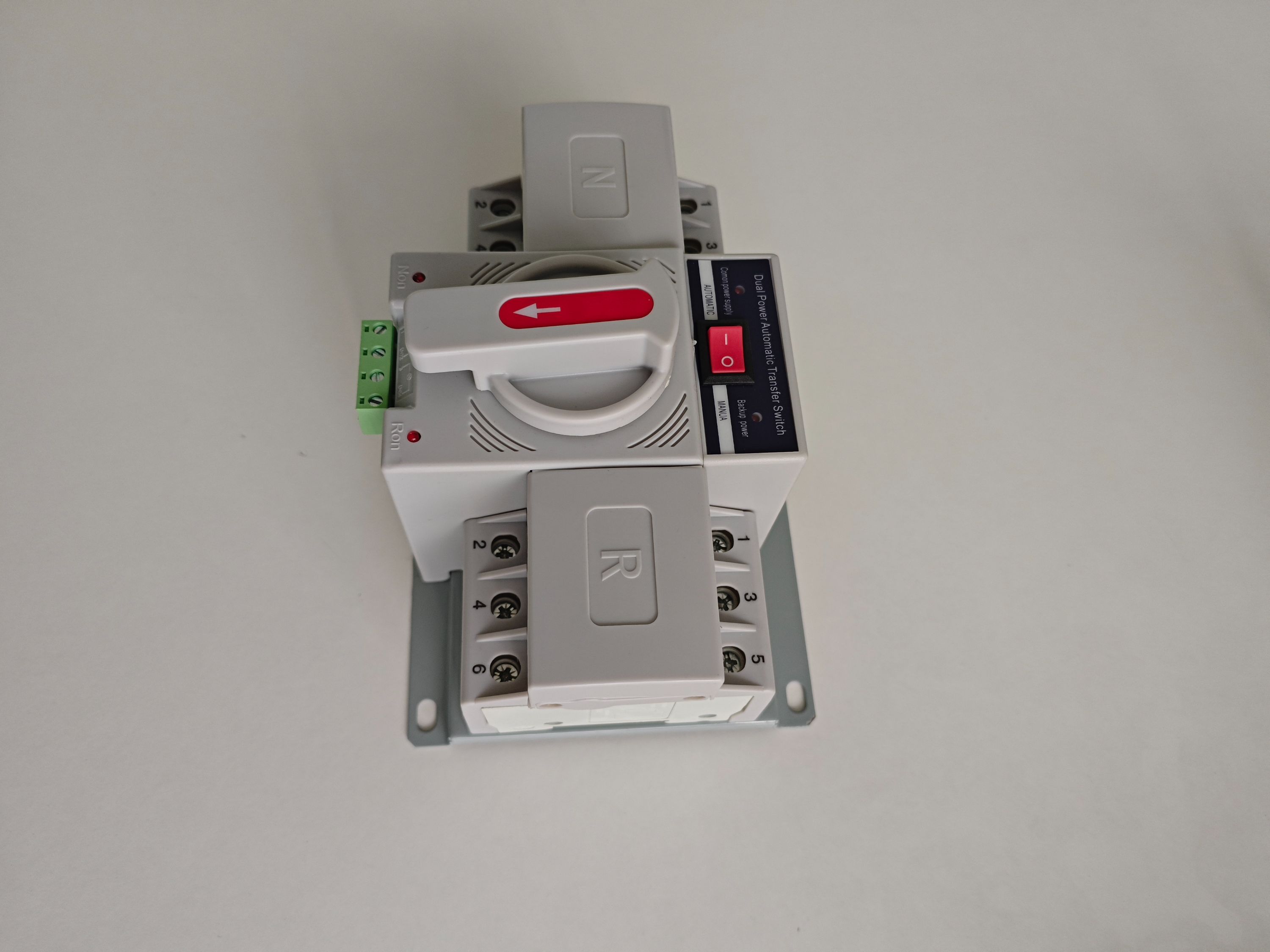
In today's fast-paced production environments, every minute of unplanned downtime can lead to significant revenue losses and disrupt workflow. At our facility, we've implemented an Advanced Troubleshooting System (ATS) that proactively identifies potential equipment failures before they escalate into costly outages. Unlike traditional reactive maintenance approaches, our ATS continuously monitors performance metrics in real-time, using predictive algorithms to flag anomalies that might otherwise go unnoticed. This allows our technicians to address issues during scheduled maintenance windows, minimizing interruptions and ensuring seamless operations.
What sets our ATS apart is its ability to learn from historical data and adapt to the unique demands of our machinery. By analyzing patterns across various production cycles, it not only predicts failures but also suggests optimized maintenance schedules tailored to specific equipment. For instance, rather than relying on generic timelines, the system might recommend servicing a particular motor after 500 hours of high-load operation, based on its past performance. This personalized approach reduces wear and tear, extending the lifespan of our assets and boosting overall reliability.
Beyond prevention, our ATS enhances operator confidence through intuitive dashboards that provide clear insights into system health. Workers can quickly access diagnostic reports and receive alerts on their devices, empowering them to make informed decisions without waiting for technical support. By integrating this technology, we've seen a noticeable drop in emergency calls and a smoother production flow, proving that proactive measures are key to staying ahead in competitive industries. This focus on reliability not only prevents downtime but also fosters a culture of efficiency and innovation across the factory floor.
Custom ATS Designs Tailored for Maximum Efficiency
In today's competitive recruitment environment, a one-size-fits-all approach simply doesn't cut it. Custom ATS designs go beyond off-the-shelf solutions by meticulously aligning with your company's unique workflows, industry quirks, and hiring objectives. Think of it as a bespoke suit for your talent acquisition process—tailored to fit perfectly, eliminating the frustrating seams and unnecessary bulk that generic platforms often introduce. This precision engineering means recruiters spend less time wrestling with clunky interfaces and more time engaging top-tier candidates, directly boosting productivity and slashing time-to-fill metrics.
What truly sets a custom-designed ATS apart is its ability to automate and streamline high-friction areas, turning bottlenecks into smooth highways. By integrating seamlessly with your existing HR tech stack—be it performance management systems, background check services, or communication tools—it creates a unified ecosystem where data flows effortlessly. This reduces manual entry, minimizes errors, and provides a holistic view of each candidate's journey. Moreover, features like AI-driven resume parsing and predictive analytics can be fine-tuned to your specific criteria, ensuring you spot the right talent faster and with greater accuracy than ever before.
Beyond mere efficiency gains, a tailored ATS fosters a superior candidate experience, which is crucial in attracting passive talent. Customizable application portals that reflect your brand's voice and aesthetics, along with automated yet personalized communication sequences, make candidates feel valued from the first click. This not only enhances your employer brand but also reduces drop-off rates. Ultimately, investing in a custom design isn't just about saving time; it's about building a scalable, agile recruitment engine that adapts as your business evolves, keeping you ahead in the relentless race for top talent.
Integrating ATS for Enhanced Power Grid Stability
Integrating an Automatic Transfer Switch (ATS) into power grid systems significantly boosts stability by enabling seamless transitions between primary and backup power sources. Unlike manual systems that rely on human intervention, an ATS detects power outages in milliseconds and automatically switches to an alternative supply, minimizing downtime and preventing grid collapse. This automated response is critical in high-demand scenarios like extreme weather events or equipment failures, where even brief interruptions can cascade into widespread blackouts. By ensuring continuous power flow, ATS integration reduces the risk of voltage sags and frequency deviations, which are common culprits behind grid instability.
Furthermore, the deployment of ATS technology enhances grid resilience by supporting distributed energy resources like solar panels and battery storage. Modern ATS units are equipped with smart controls that can prioritize renewable sources during peak loads, balancing supply and demand more effectively. For instance, in microgrid applications, an ATS can isolate sections of the grid during faults, preventing localized issues from affecting the entire network. This capability not only improves fault tolerance but also allows for more flexible grid management, enabling utilities to respond dynamically to changing conditions without compromising stability.
In practice, integrating ATS requires careful planning to address compatibility with existing infrastructure and cybersecurity concerns. Advanced models incorporate encryption and real-time monitoring to protect against hacking attempts that could disrupt automatic transfers. Case studies from regions with frequent power interruptions, such as coastal areas prone to storms, show that ATS implementation has cut outage durations by up to 50%, highlighting its tangible benefits. As grids evolve with smart technologies, ATS stands out as a foundational tool that ensures reliability, making it indispensable for modern energy systems aiming to achieve long-term stability and efficiency.
Cost-Effective ATS Solutions for Long-Term Protection
When it comes to safeguarding your organization's talent pipeline over the long haul, cost-effective ATS solutions aren't just about cutting corners—they're about smart investments that pay dividends. Instead of just listing features, think about how these tools integrate seamlessly into your existing workflows, reducing administrative burden and allowing HR teams to focus on strategic growth. Look for platforms that offer scalable pricing models, where you only pay for what you need, ensuring you're not locked into unnecessary features as your needs evolve. This approach not only protects your budget but also future-proofs your recruitment process against market shifts.
Moreover, a truly effective ATS should prioritize user experience and customization, making it easy for hiring managers to adopt without extensive training. By leveraging AI-driven insights, these systems can identify bottlenecks and suggest improvements, continuously optimizing your hiring strategy over time. It's not just about filling positions quickly; it's about building a resilient process that adapts to changing talent landscapes, all while keeping costs in check through efficient automation and data-driven decisions.
To stand out, consider solutions that offer transparent analytics and reporting, giving you clear visibility into ROI and long-term performance metrics. This empowers you to make informed adjustments, ensuring your ATS remains a valuable asset rather than a recurring expense. Ultimately, cost-effective protection means investing in a system that grows with you, delivering sustained value without hidden fees or rigid contracts.
Proactive Maintenance Tips to Extend Your ATS Lifespan
To keep your Automatic Transfer Switch (ATS) running smoothly for years, a proactive approach is key. Instead of waiting for signs of trouble, schedule regular checks of electrical connections, control panels, and mechanical components. This helps catch minor issues like loose wires or dust buildup before they escalate into costly failures. By maintaining a clean, dry environment and ensuring proper ventilation, you also reduce wear and tear, extending the overall lifespan of your system.
One often-overlooked aspect is testing your ATS under realistic conditions. Don't just rely on routine inspections; simulate power outages or load changes periodically to verify that the switch operates as intended. This practice not only confirms reliability but also familiarizes your team with the system's behavior, making any necessary adjustments quicker and more efficient. It's a hands-on way to prevent downtime and ensure seamless transitions during actual emergencies.
Finally, investing in quality parts and professional training can make a significant difference. Use manufacturer-recommended components for replacements and upgrades to avoid compatibility issues. Training staff on basic maintenance tasks and troubleshooting empowers them to address minor problems on the spot, reducing reliance on external technicians. This holistic strategy, combining regular upkeep with smart investments, turns your ATS into a durable asset that stands the test of time.
FAQ
An automatic transfer switch is a device that detects when the main power source fails and automatically transfers the load to a backup generator, ensuring continuous power. It's vital for operations that can't afford downtime, like hospitals or data centers, as it prevents interruptions and safeguards critical systems.
In factories, an ATS constantly monitors the primary power grid. If it senses a failure, it swiftly switches to a backup generator within seconds, keeping machinery running without manual intervention. This reduces production halts and avoids costly disruptions to manufacturing processes.
Look for fast transfer times (typically under 100 milliseconds), high electrical ratings to handle heavy loads, robust durability for harsh environments, and smart monitoring capabilities. Features like programmable logic controllers and remote diagnostics can enhance reliability and ease maintenance.
By managing power sources efficiently, an ATS can help balance loads and reduce energy waste. It prevents downtime-related losses, such as spoiled materials or halted production lines, leading to significant long-term cost savings and improved operational efficiency.
Regular maintenance includes testing the transfer mechanism, checking for wear on contacts, verifying sensor accuracy, and ensuring the control system is updated. Periodic inspections by qualified technicians help prevent failures and extend the device's lifespan in demanding industrial conditions.
An ATS can be integrated with building management systems (BMS) or supervisory control and data acquisition (SCADA) systems. This allows for centralized monitoring, automated alerts, and data logging, enabling proactive power management and faster response to issues in complex factory setups.
Conclusion
Our Automatic Transfer Switch (ATS) solutions are engineered to deliver seamless power transitions, ensuring that your factory operations remain uninterrupted even during power outages. By integrating these systems, you can significantly boost reliability and prevent costly downtime. Our custom ATS designs are tailored to maximize efficiency, taking into account the specific needs of your facility to optimize energy usage and performance. This proactive approach not only enhances power grid stability but also provides long-term protection for your critical equipment.
Investing in our cost-effective ATS solutions offers robust safeguards against power disruptions while delivering significant savings over time. To further extend the lifespan of your ATS, we recommend implementing proactive maintenance strategies, such as regular inspections and timely component replacements. By combining these measures with our advanced ATS technology, you can achieve a resilient power infrastructure that supports continuous production and operational excellence. Trust our expertise to keep your factory running smoothly, no matter the power challenges you face.
Contact Us
Contact Person: Jack
Email: [email protected]
Tel/WhatsApp: (+86) 13757759651
Website: https://www.singi.com